
Ceiling Leak
A ceiling stain that grows, drips, or darkens needs fast answers. We trace ceiling leaks to the true source — roof, pipe, or fixture — before damage spreads.
Fast · Reliable · Non-Invasive
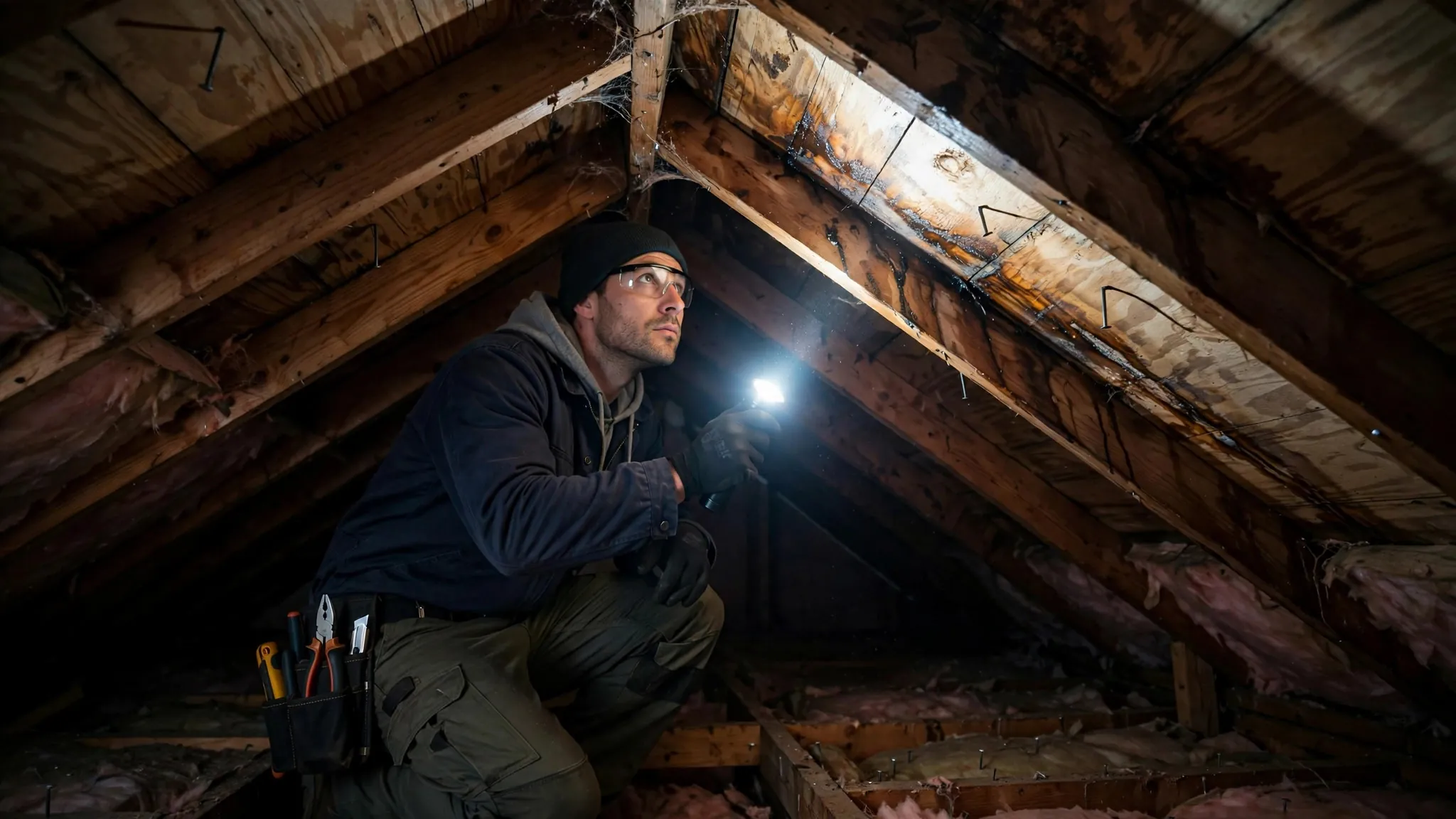
Attics collect every kind of water problem — roof leaks, ice dams, plumbing vents, and condensation — and the evidence mixes together overhead. We sort attic moisture by source: tracing water paths across decking and framing, testing whether the cause is roofing, flashing, or plumbing, so the repair addresses the real entry point instead of the dampest insulation.
Related Services
Attic moisture has several possible authors. These services investigate each one.
A ceiling stain that grows, drips, or darkens needs fast answers. We trace ceiling leaks to the true source — roof, pipe, or fixture — before damage spreads.
Damp patches, bubbling paint, or a musty smell can hide a wall leak. We pinpoint the exact pipe or entry point behind drywall so repairs stay small and surgical.
Our core specialty: acoustic sensors, thermal imaging, and tracer gas find hidden leaks behind walls, under floors, and underground — accurately, non-invasively, in a single visit.
Musty smells, damp subfloors, or standing water under your home point to a crawlspace leak. We find it without tearing up floors — moisture mapped, source found.
Warning Signs
Few people visit their attics — these signs are worth the trip upstairs.
Insulation that is compressed, discolored, or damp has been wet repeatedly. It marks the drip zone — the investigation starts directly above it.
Dark streaks or stains on the underside of roof decking trace water's path from entry to drip. The highest stain is closest to the source.
Pinholes of daylight visible from inside the attic are direct roof breaches. Where light enters, water follows — every one deserves sealing and tracing.
Frost on nails or sheathing, or chronic condensation, signals ventilation or insulation failures rather than leaks — a different problem needing a different fix.
A musty attic means materials are staying wet — from roof intrusion, plumbing vents, or condensation. The smell confirms moisture; our mapping finds its source.
A new ceiling stain on the top floor means attic water has traveled down. The attic above the stain holds the entry point — investigate upward, not at the stain.
Our Process
Overhead detective work — following water uphill to its entry.
We enter the attic safely — walk boards, lighting, protective gear — and survey the full space: decking, framing, insulation condition, vents, and any plumbing runs overhead. We note ventilation and insulation conditions throughout.
Stains and dampness are traced upward along decking and framing to their highest point. Water's trail on wood is remarkably legible — the top of the trail is near the entry. Stain darkness gradients indicate flow direction reliably.
Suspect roof areas get controlled water testing while we watch from inside; suspect plumbing gets pressure-checked. The source is proven by test, not assumed from stains. Plumbing vents and flues get specific attention as crossover suspects.
You get the exact entry point marked, photos of the water path, and a clear statement of cause — roofing, flashing, vent, or plumbing — so the right trade does the repair. The cause statement directs you to the correct trade with confidence.
Why Choose Us
Attic leaks are misdiagnosed more than almost any other — roofers fix flashing while a plumbing vent keeps dripping, or plumbers chase pipes while ice dams keep feeding the stain. For 13 years we have sorted Chelsea's attic moisture correctly: nor'easter-driven rain intrusion, ice dam backup at eaves, failed vent flashing, and the occasional overhead plumbing leak. Our testing proves the source before anyone climbs on your roof or opens a pipe — so the repair happens once, by the right trade. Attics are where two trades' problems overlap — roofing above, plumbing occasionally, condensation always lurking — and misattribution is the norm. Our testing-first approach proves the source category before the wrong contractor is called: controlled water tests for roof areas, pressure checks for plumbing, ventilation assessment for condensation. Thirteen years of Chelsea attics, through nor'easters and ice-dam winters, has built a library of local moisture signatures we recognize on sight. The report that follows names the right trade with evidence, so the repair happens once.
Attic tracing across Chelsea homes.
From 30 verified customer reviews.
We answer around the clock, every day.
Source proven before repairs begin.
Customer Feedback
Helpful Tips
Keep the space under your roof dry from every direction.
After nor'easters or heavy snow, take a flashlight into the attic and look for new dampness. Storm-driven leaks show themselves within hours — catch them in week one, not month six. Fresh storm leaks are easiest to trace — timing matters enormously.
Icicles and ice ridges at the eaves signal ice dams forcing water under shingles. If you see them, check the attic above the eaves for new wetness immediately. Ice ridges at eaves warrant an immediate attic check above them.
Insulation stuffed into eaves blocks soffit ventilation, cooking the attic in summer and feeding ice dams in winter. Keep vents clear — airflow prevents condensation. Blocked soffits are a leading cause of winter attic moisture.
Any daylight visible from inside is a water entry point. Mark each spot and have them sealed — then verify with a hose test that the path is closed. Hose-test the repair to confirm the entry is truly sealed.
An uninsulated attic hatch pours warm moist air into the attic, feeding winter condensation mistaken for leaks. Weatherstrip and insulate it — a cheap fix for a confusing symptom. Hatch insulation is a fifteen-minute fix with outsized impact.
Overflowing gutters dump water where it does not belong — behind fascia and into eaves. Clean gutters each fall; it is the simplest roof-leak prevention there is. Fall gutter cleaning prevents a whole category of eave and fascia leaks.
24/7 Emergency Service
Storm-driven attic intrusion or a burst overhead pipe needs immediate tracing before ceilings below are ruined. Our 24/7 emergency line covers all of Chelsea with 30–45 minute arrival.
We find the entry point fast, help stop the water at its source, and document the path so emergency repairs seal the right breach. See our full emergency attic leak service.
Call (617) 380-4912 NowService Areas
Every roofline in every Chelsea neighborhood — attic leak tracing within the 02150 ZIP, whatever the weather brings.
FAQs
What Chelsea homeowners ask about moisture above their ceilings.
We trace stains and dampness upward along decking and framing to their highest point — water's trail on wood points back toward the entry. Then we test: controlled water tests for suspected roof areas, pressure checks for plumbing. The source is proven, not assumed.
Patterns distinguish them: roof leaks follow storm timing and trace to specific entry points; condensation is widespread, seasonal, and tied to ventilation and insulation failures. Our investigation determines which you have because the fixes are completely different.
Ice dams are ridges of ice at the eaves that trap meltwater, forcing it under shingles and into the attic. They are a leading cause of winter attic leaks in our climate — proper insulation and ventilation prevent them.
Yes. Vent pipes passing through the attic can leak at their roof flashing (a roofing fix) or from condensation inside the pipe (an insulation fix). We determine which during the investigation.
Yes — safely, with walk boards, lighting, and protective gear. If access is genuinely unsafe or nonexistent, we use thermal imaging from below and exterior inspection, and tell you honestly what we could and could not assess.
Keep gutters clear, ensure soffit and ridge ventilation work, maintain insulation without blocking vents, seal any daylight-visible breaches, and check the attic after major storms. Prevention is mostly airflow and maintenance.
If the cause is uncertain — and with attics it usually is — detection first prevents paying a roofer to fix flashing while a plumbing vent keeps dripping. Our report tells you exactly which trade to call.
Yes — our emergency line is answered around the clock with 30–45 minute arrival anywhere in Chelsea. Call (617) 380-4912 any time.
Look for the signs of failure: summer attic temperatures far above outside, winter frost on sheathing, or chronic condensation. Proper ventilation needs balanced intake (soffits) and exhaust (ridge or vents) — blocked soffits are the most common deficiency we find.
Yes — documented moisture damage, mold remediation history, and roof issues all surface in inspections and appraisals. Our dated reports and photos create a professional record of both the problem and its proper resolution, which protects value far better than undisclosed patches.
From The Blog
Storms, ice dams, and the moisture they leave behind.
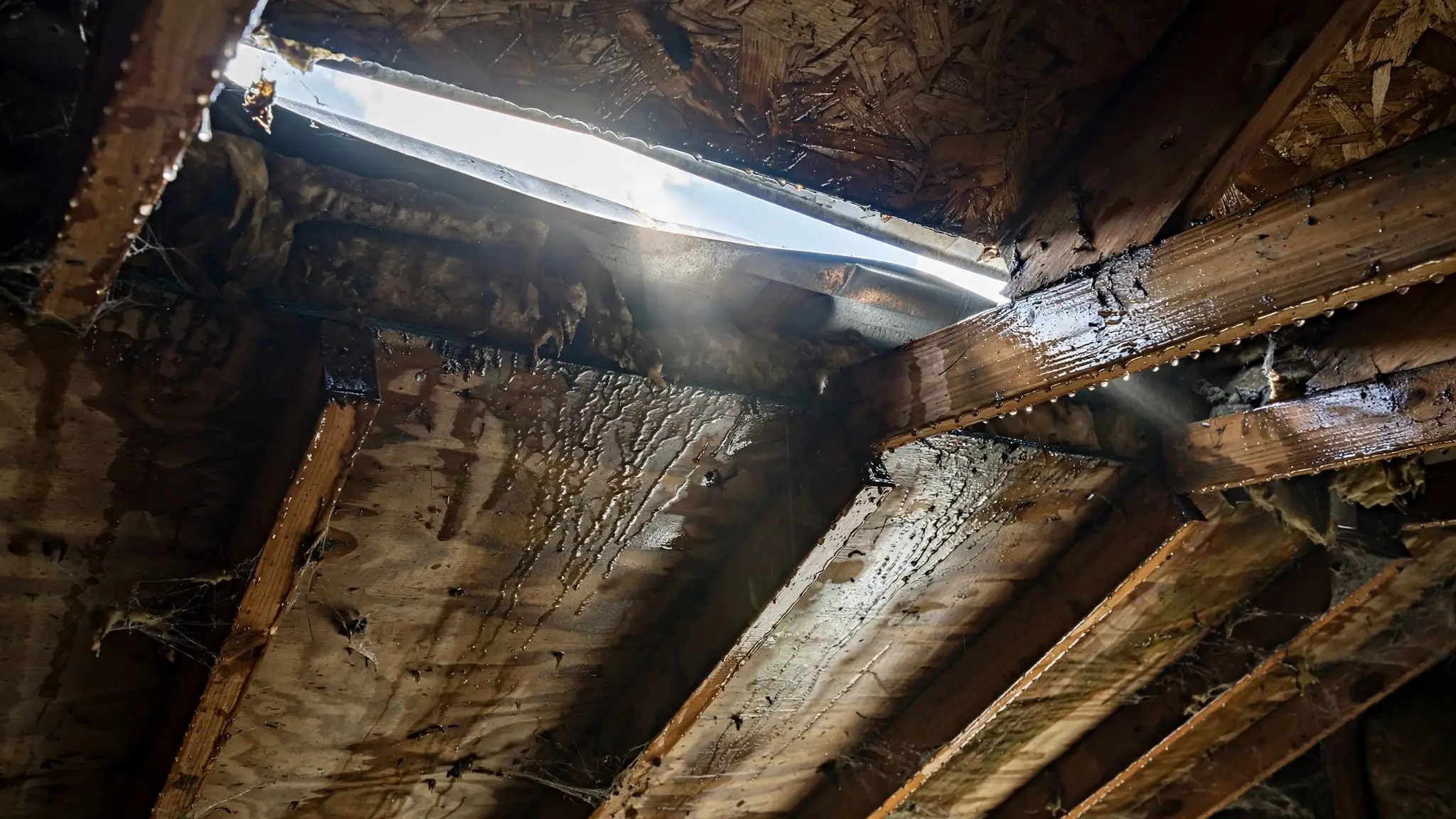
Attic drips after storms usually trace to flashing, vents, or ice dams. Learn how to investigate safely.
Read Article
Nor'easters drive rain and wind into every weak point. How to protect your Chelsea home before storm season.
Read Article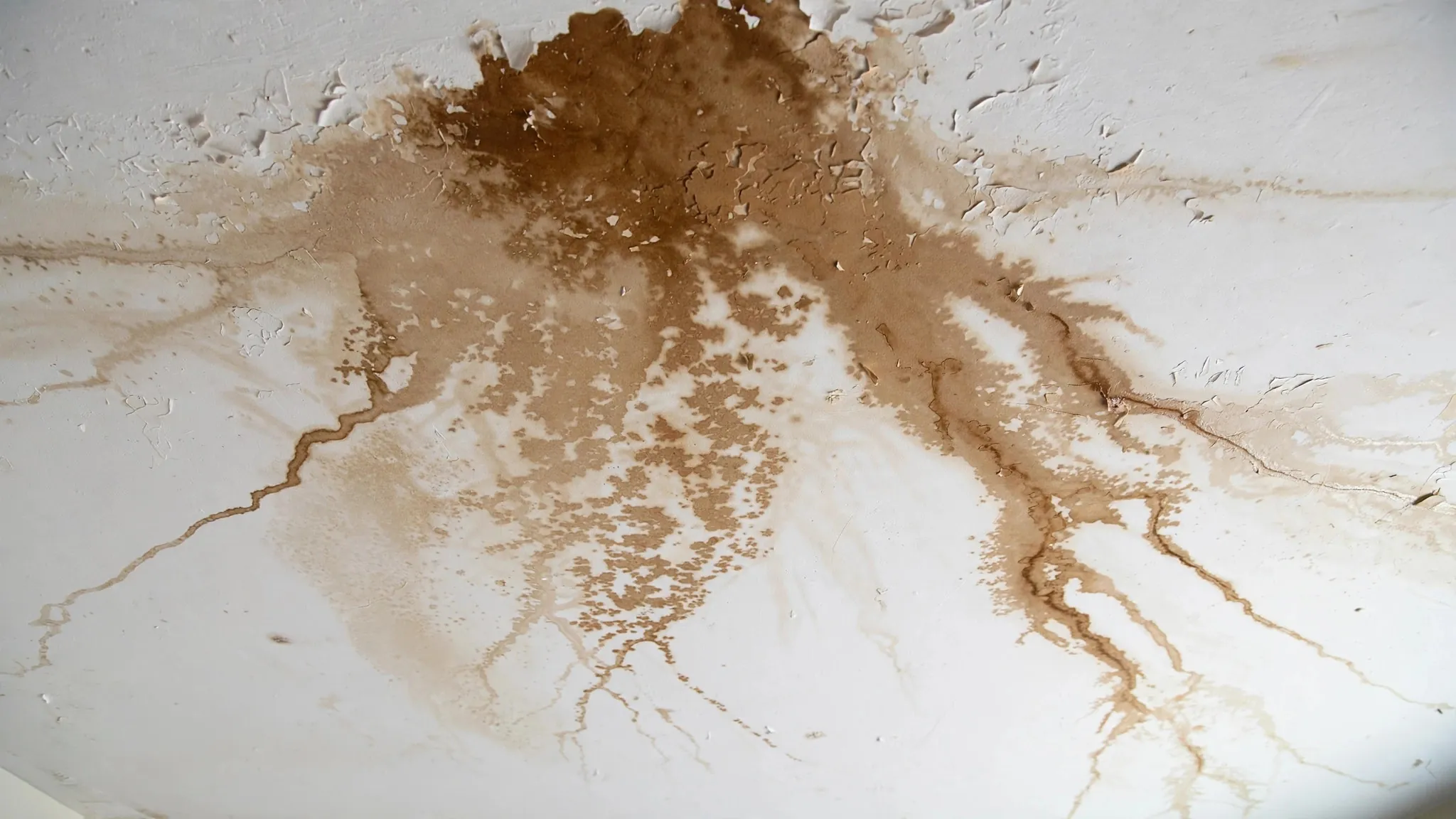
Not every stain means trouble right now — here is how to tell an active leak from old damage, and what to do next.
Read ArticleFind the entry point before the next storm finds it for you. Call now for attic leak tracing anywhere in Chelsea — 24/7.
Learn More
Helpful guides about this service — signs, methods, and what to expect.
Ice dams, flashing failures, and condensation — attic leak sources Chelsea homes face.
Read Article
Growing, darkening, or damp to the touch — how to tell an active ceiling leak from an old stain.
Read Article
How Nor'easters drive water into roofs and basements — and how to prepare.
Read Article