
Wall Leak
Damp patches, bubbling paint, or a musty smell can hide a wall leak. We pinpoint the exact pipe or entry point behind drywall so repairs stay small and surgical.
Fast · Reliable · Non-Invasive
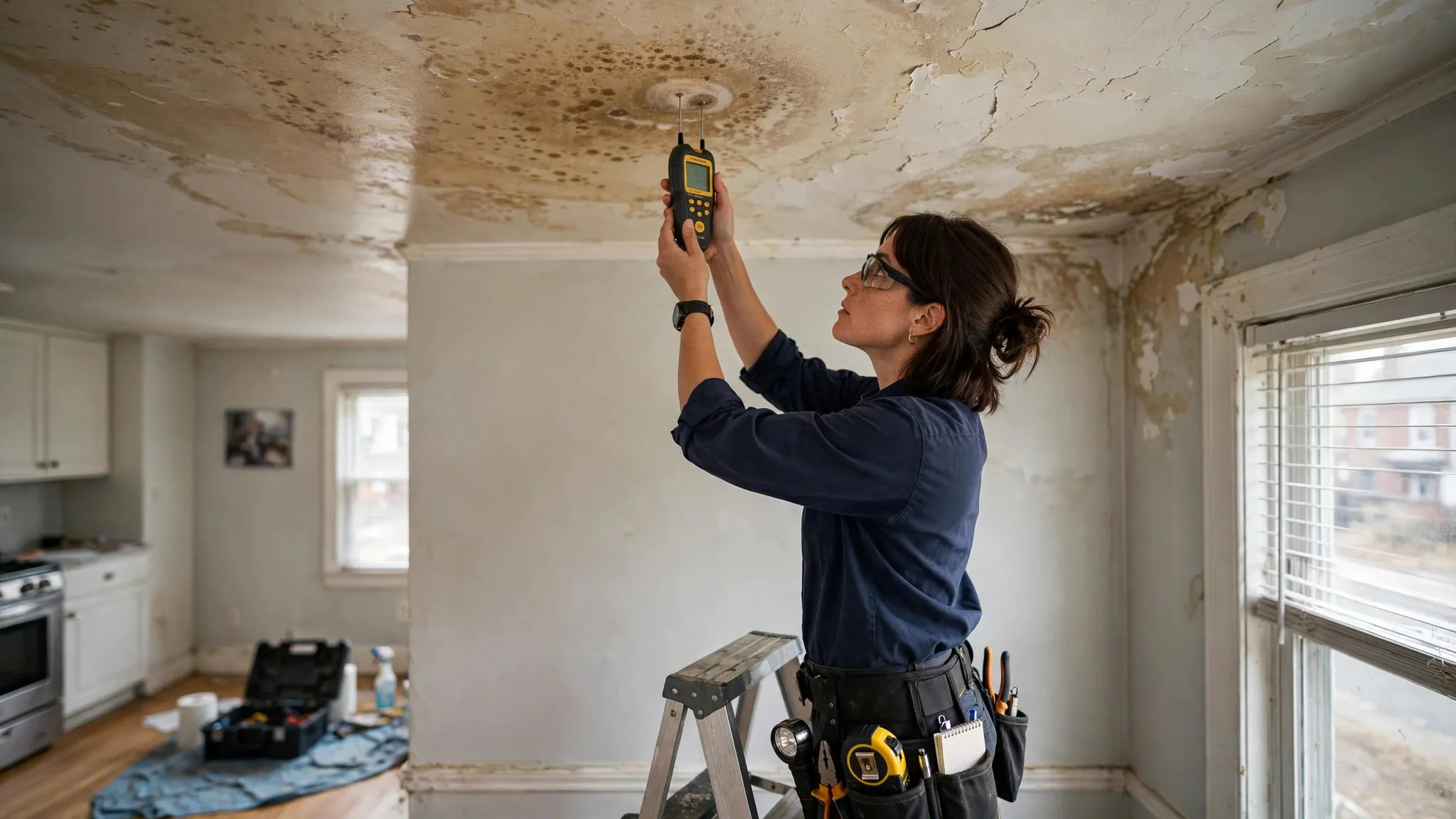
A ceiling stain is a symptom, not a diagnosis — the water above it may have traveled feet from its entry point. We trace ceiling leaks upward and outward with moisture mapping and thermal imaging, identifying whether the source is roofing, a plumbing line, or a fixture above, so the repair fixes the cause instead of the stain.
Related Services
Ceiling leaks come from above — these services cover every source we trace them to.
Damp patches, bubbling paint, or a musty smell can hide a wall leak. We pinpoint the exact pipe or entry point behind drywall so repairs stay small and surgical.
Damp insulation or drips in the attic after rain or snow need a fast trace. We find whether the source is roofing, flashing, or a pipe — then map it.
Our core specialty: acoustic sensors, thermal imaging, and tracer gas find hidden leaks behind walls, under floors, and underground — accurately, non-invasively, in a single visit.
Water bill suddenly high with no visible leak? We check the meter, the service line, and your home to find the hidden loss — then show you exactly where it is.
Warning Signs
Ceilings show water late — by the time you see it, the leak has been active above. Act on these early.
A yellow-brown stain that expands or darkens after rain or plumbing use is active water, not old damage. Growth means the leak is ongoing above the ceiling.
Paint bubbles or a ceiling section that sags under touch means the drywall is saturated. Saturated ceilings can collapse — treat sagging as urgent.
Any drip from a ceiling is an active leak requiring immediate tracing. Place a container, note the drip rate, and call — the source needs finding before the next cycle.
Stains that appear or grow only during rain point to roofing, flashing, or exterior intrusion rather than plumbing. The timing is the diagnosis — note it carefully.
Stains below a bathroom usually trace to a shower pan, toilet seal, or supply line above. Water follows joists, so the stain may sit feet from the actual leak.
A musty odor near a stained ceiling means the cavity above stays wet — feeding mold in the dark. Detection finds the moisture source before the air quality suffers.
Our Process
Ceiling work means looking up — our process follows the water's path in reverse.
We study the stain's shape, color, and growth pattern — and crucially, when it grows. Rain-only versus constant timing splits the suspect list between roofing and plumbing immediately. A photo of the stain with a ruler helps us assess growth rate.
We inspect the space above: attic, upper floor, or roof. Moisture meters and thermal imaging map wetness across joists and decking, following the trail back toward its origin. We check roof penetrations, flashing, and upper plumbing systematically.
Whether it is a pipe joint, flashing failure, or fixture seal, we confirm the source with targeted testing — water tests for roofing, pressure checks for plumbing — so the diagnosis is proven. Roofing tests use controlled water application — never a guessing hose blast.
You get the source location, the water's travel path, and photos documenting both. Your roofer or plumber fixes the cause with confidence instead of guessing at the stain. The travel path documentation often surprises owners with how far water moved.
Why Choose Us
The most expensive ceiling leak mistake is repairing the stain's location instead of the water's source — water travels along joists and pipes, often surfacing far from where it enters. In 13 years across Chelsea, we have traced ceiling leaks to failed shower pans in upstairs baths, ice-dam intrusion at eaves, and pinhole supply lines in ceiling cavities. Our moisture mapping follows the full wet path; our testing proves the source. The repair happens once, at the right place. Ceiling stains mislead because water obeys gravity and framing, not intuition — it runs along joists and pipes and drops through drywall feet from where it entered. Our tracing follows the moisture path upward to its highest point instead of staring at the stain, which is why our source identifications hold up when the ceiling opens. Chelsea's building stock adds variety: flat-roofed commercial-style construction, pitched residential roofs, and upstairs bathrooms stacked over living spaces. Thirteen years of tracing across all of them means we recognize each pattern's signature — and we prove the source with testing before anyone repairs.
Ceiling leak tracing in Chelsea homes.
From 30 verified customer reviews.
We answer around the clock, every day.
Source proven before any ceiling opens.
Customer Feedback
Helpful Tips
What to do when the ceiling tells you something is wrong above it.
Note exactly when the stain grows — during rain, after showers, or constantly. This single observation often identifies the source category before we arrive. Rain-linked growth means roofing; constant growth means plumbing — note which.
Place a wide container under drips and poke a small relief hole at the stain's lowest point with a screwdriver — it prevents the water from spreading across the whole ceiling. A controlled puncture prevents uncontrolled collapse of saturated drywall.
A sagging ceiling section is holding water weight and can collapse without warning. Keep people and furniture clear, and treat it as urgent. Sagging drywall can weigh far more than it looks — stay clear.
Walk the room above the stain. Soft spots, loose tiles, or damp carpet near bathrooms point to the fixture or seal feeding the ceiling below. Bathroom-adjacent soft spots are the highest-probability source zone.
Date-stamped photos of the stain's growth document an active leak for insurance — and show us the rate of spread, which hints at the leak's volume. Spread rate correlates with leak volume — fast spread means act fast.
Run fans and a dehumidifier near the affected ceiling. Airflow slows mold growth in the saturated drywall while you arrange the trace and repair. Airflow across the stain's surface dramatically slows microbial growth.
24/7 Emergency Service
An actively dripping or sagging ceiling is an emergency — collapse risk is real. Our 24/7 emergency line covers all of Chelsea with 30–45 minute arrival.
We trace the source immediately, help stop the water at its origin, and document everything so the emergency repair targets the cause — not just the stain. See our full emergency ceiling leak service.
Call (617) 380-4912 NowService Areas
From top-floor apartments to single-family homes, we trace ceiling leaks in every Chelsea neighborhood — all within the 02150 ZIP.
FAQs
Common questions about ceiling stains, drips, and their hidden sources.
Active leaks grow, darken, or feel damp — especially after rain or plumbing use. Old stains stay stable in size and color and feel dry. We confirm with moisture meters: active leaks read wet, old stains read dry. Only active leaks need source tracing.
Water follows gravity along the path of least resistance — joists, pipes, and wires — and can travel several feet before dripping through drywall. That is why tracing the moisture path matters more than staring at the stain.
Yes, if drywall becomes saturated enough. Sagging, bulging, or soft spots indicate the ceiling is holding significant water weight. Keep the area clear and treat it as urgent until assessed.
Timing tells: rain-only growth points to roofing or flashing; constant growth or growth after fixture use points to plumbing. We confirm with targeted testing rather than assumptions.
Detection itself does not open the ceiling — we map moisture and trace the source non-invasively. The repair may need a surgical opening at the source, which our report locates precisely.
Thermal imaging sees temperature differences through drywall, and moisture meters map the wet area's boundaries. We also inspect from above wherever access exists — attics, upper floors, or the roof.
Contain drips with containers, relieve pooling water with a small puncture at the lowest point, ventilate the area, and photograph the stain's progression. Do not press on sagging sections.
Yes — our emergency line is answered around the clock with 30–45 minute arrival anywhere in Chelsea. Call (617) 380-4912 any time.
Maintain what is above: keep gutters clear, inspect roof flashing annually, replace aging shower and toilet seals before they fail, and check attic spaces after major storms. Most ceiling leaks come from deferred maintenance on these four items — a seasonal walkthrough prevents most of them.
From The Blog
Learn to read ceiling stains and understand what happens above them.
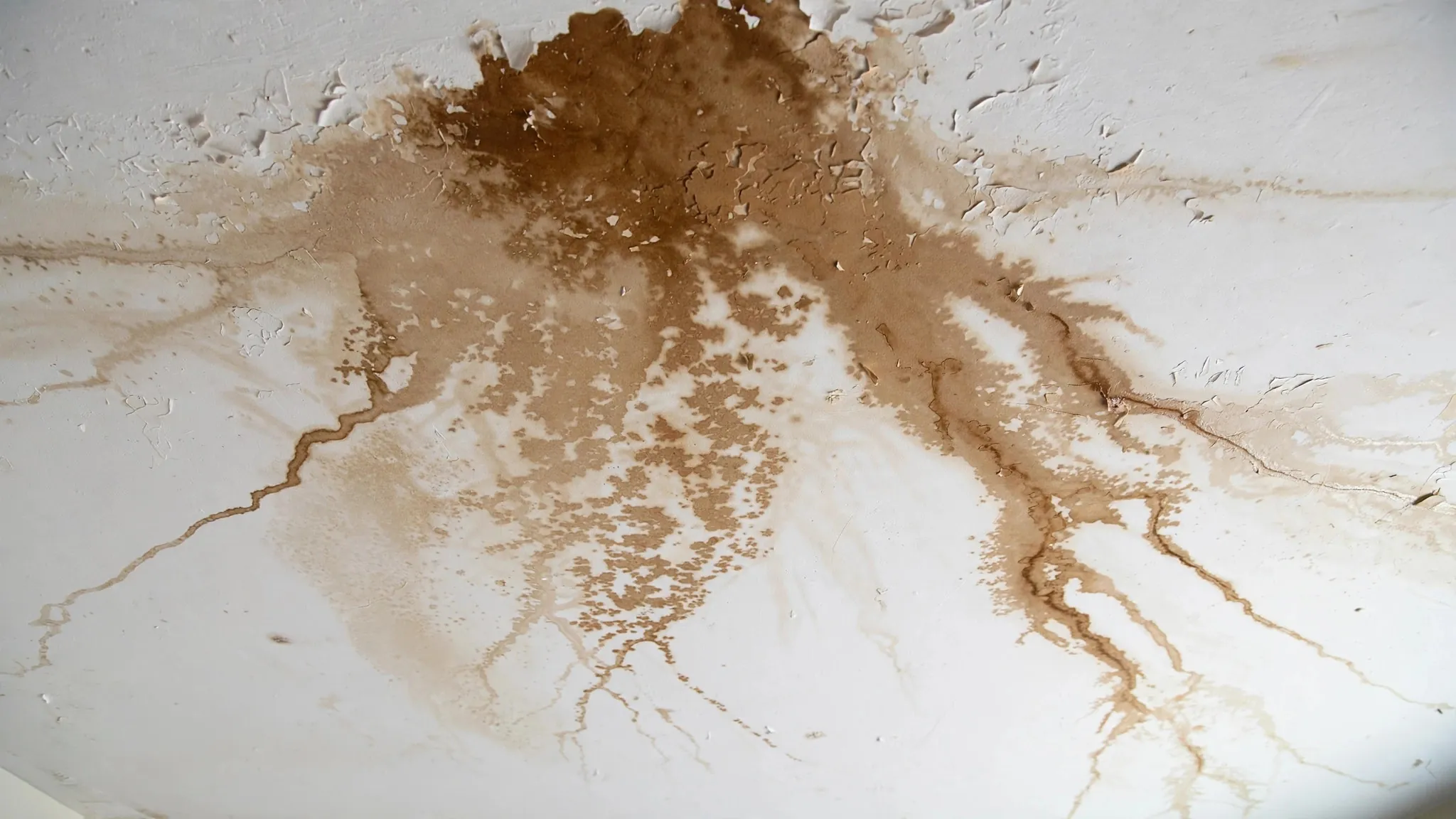
Not every stain means trouble right now — here is how to tell an active leak from old damage, and what to do next.
Read Article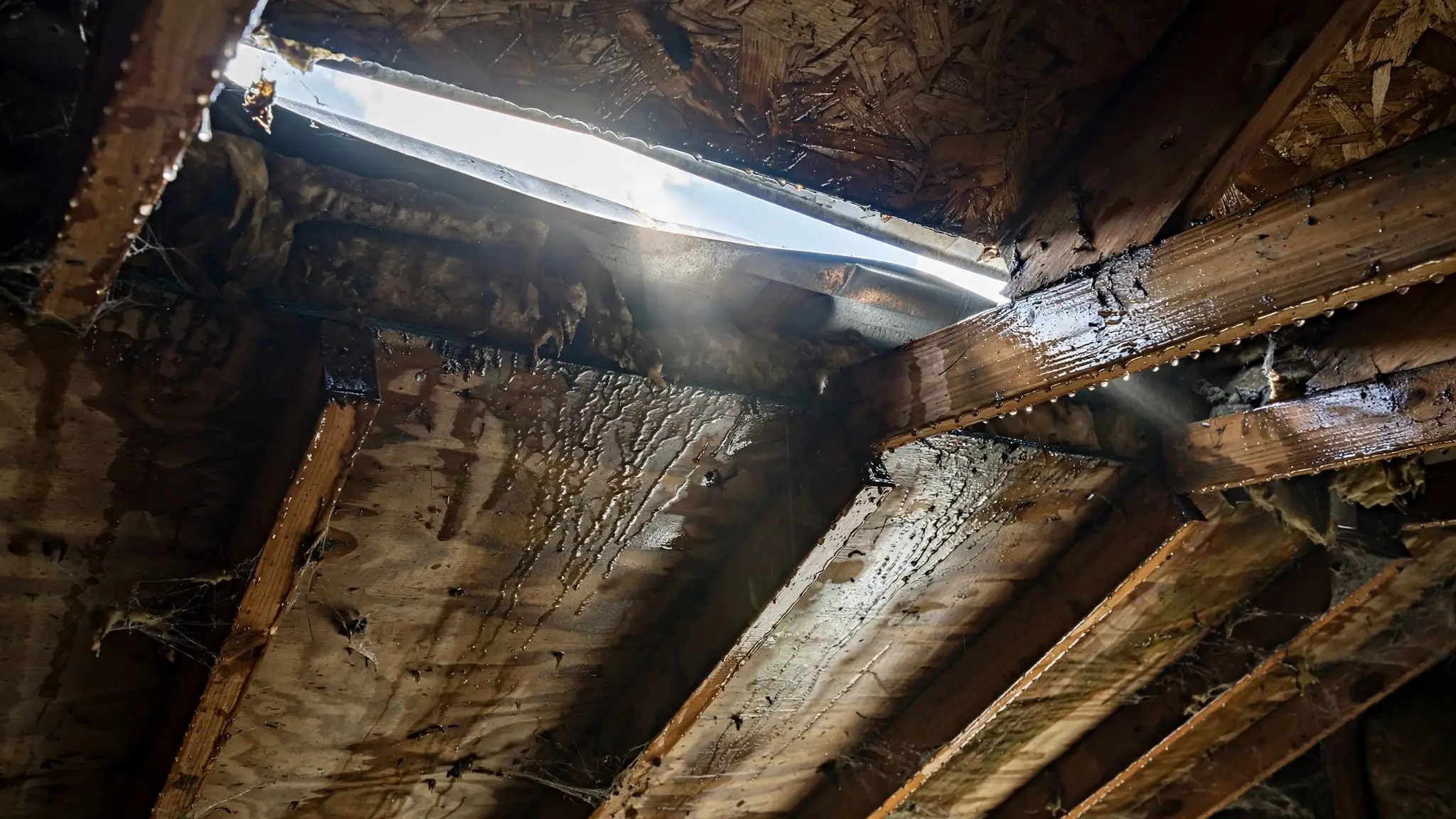
Attic drips after storms usually trace to flashing, vents, or ice dams. Learn how to investigate safely.
Read Article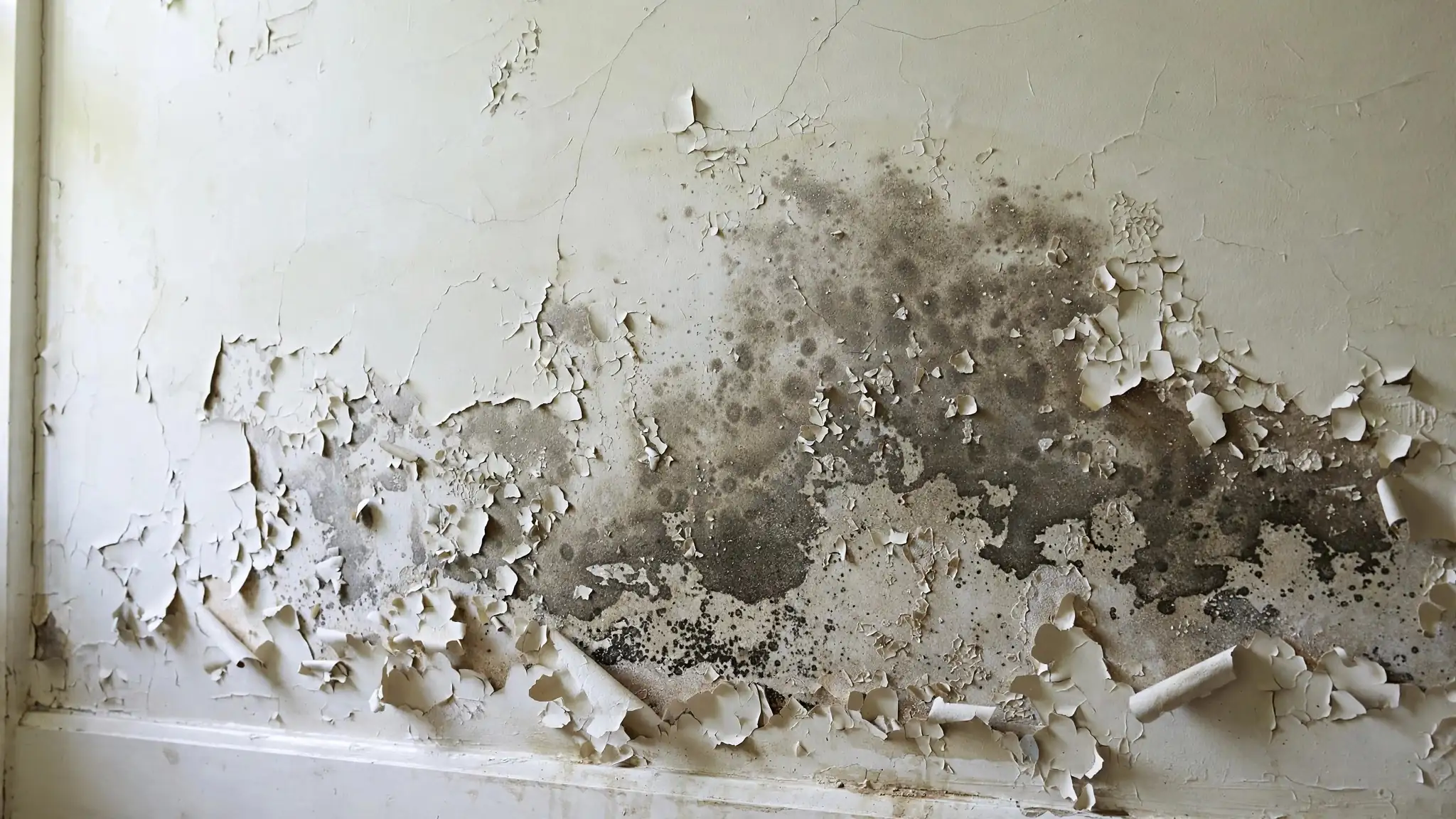
A damp patch on the wall can come from plumbing, roofing, or condensation. Learn how to narrow it down fast.
Read ArticleDo not repair the stain — repair the source. Call now for ceiling leak tracing anywhere in Chelsea, 24/7.
Learn More
Helpful guides about this service — signs, methods, and what to expect.
Growing, darkening, or damp to the touch — how to tell an active ceiling leak from an old stain.
Read Article
Ice dams, flashing failures, and condensation — attic leak sources Chelsea homes face.
Read Article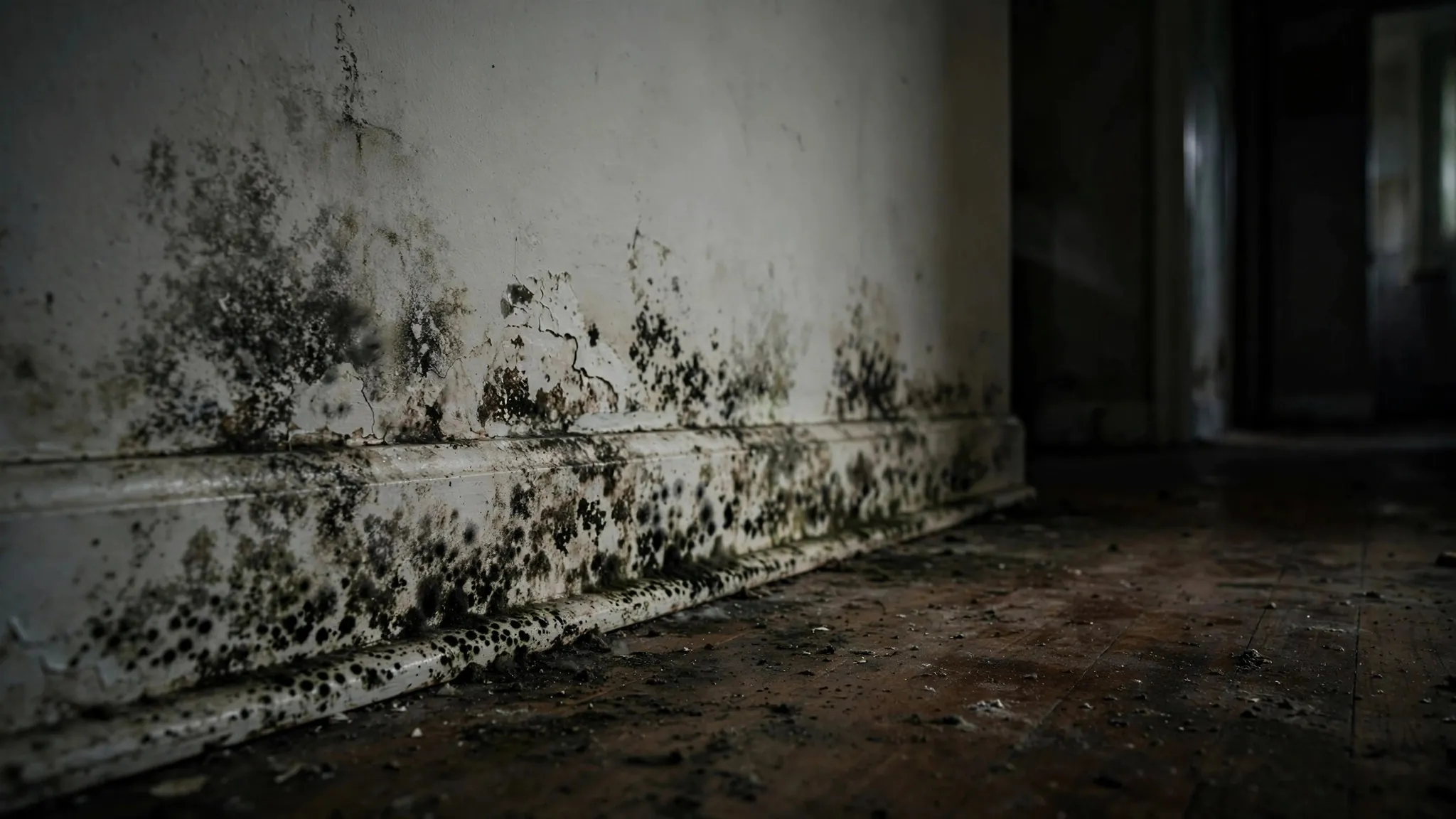
Musty odors without visible water usually mean a hidden leak feeding mold — how specialists track it.
Read Article