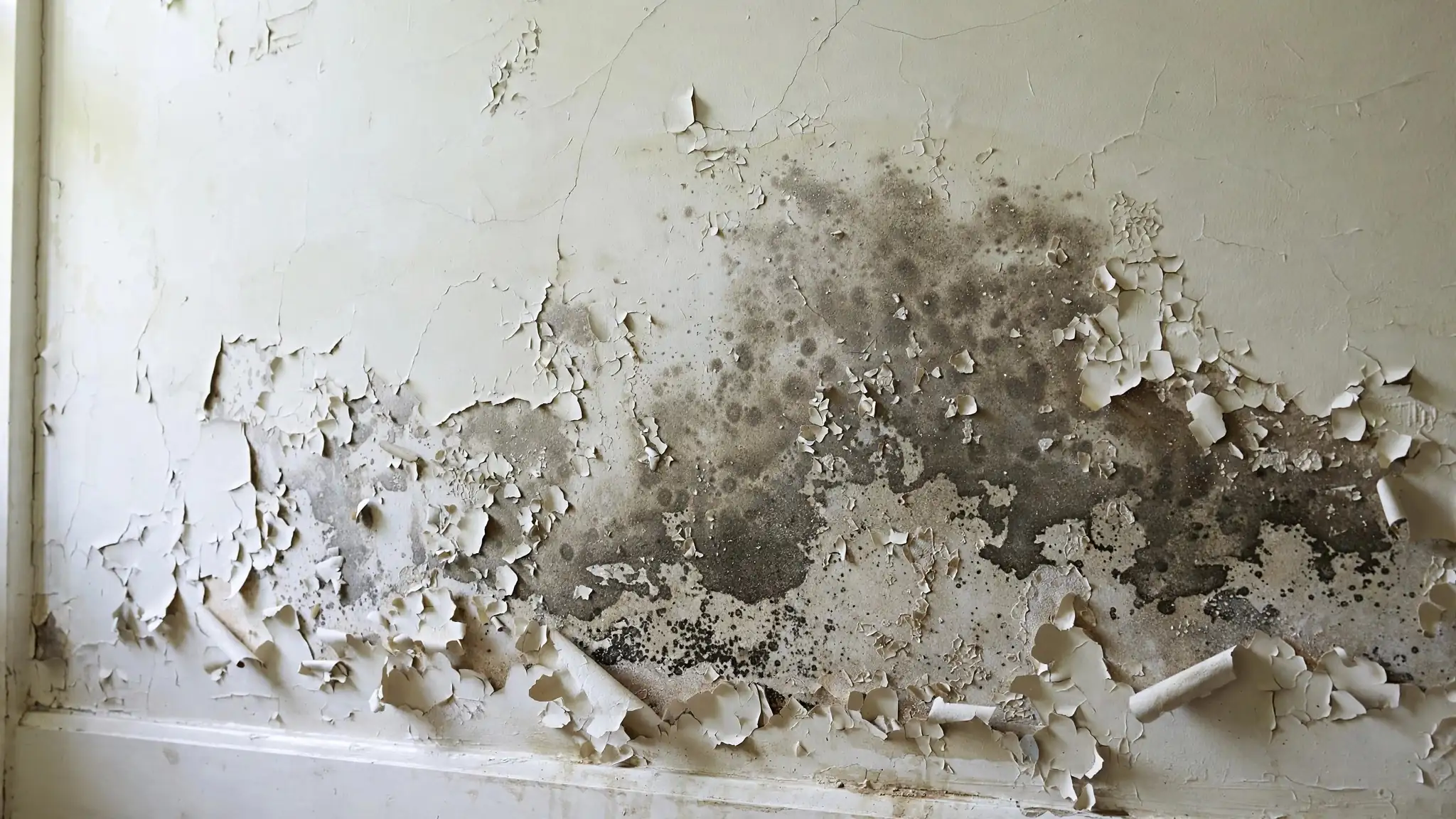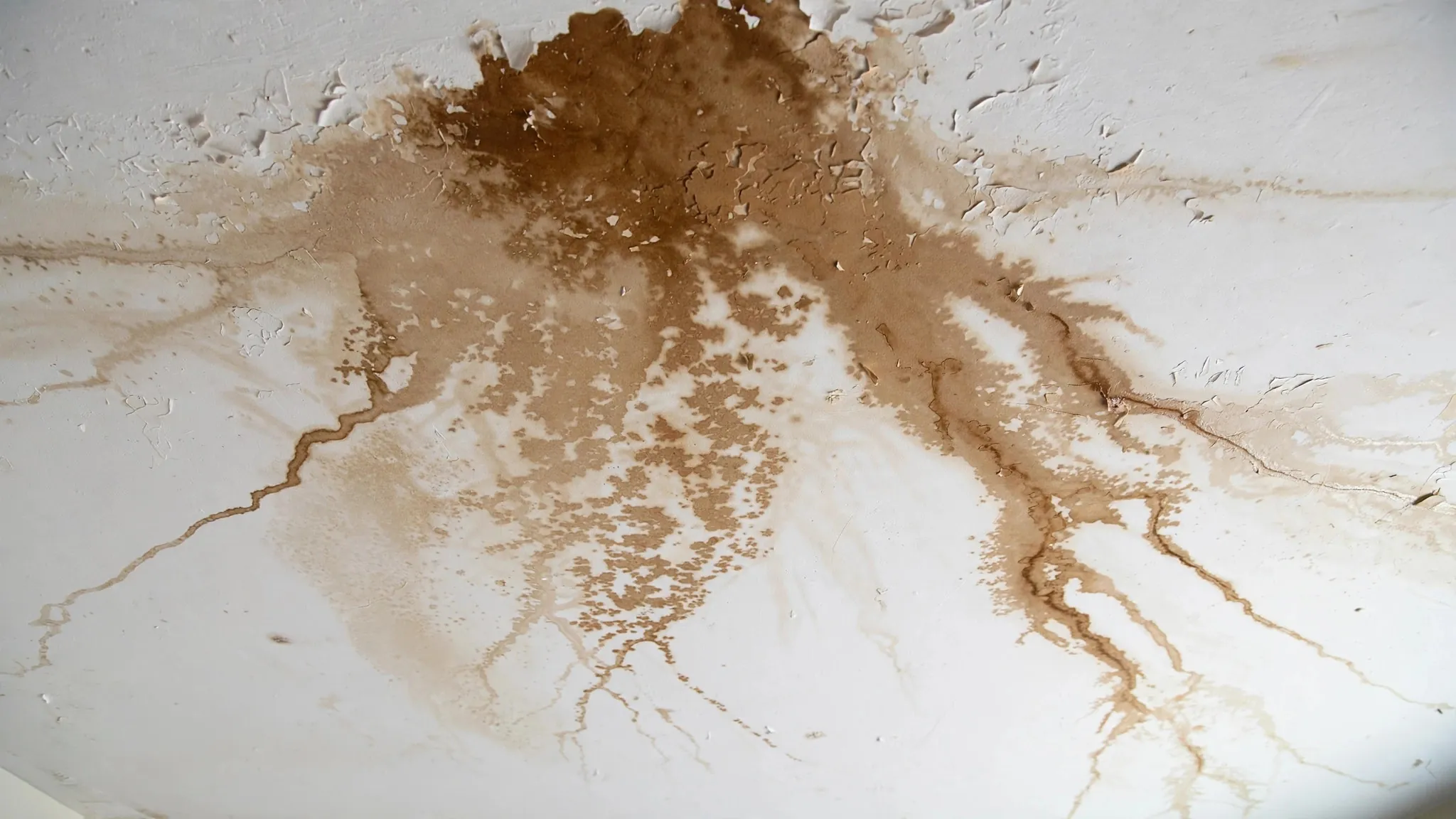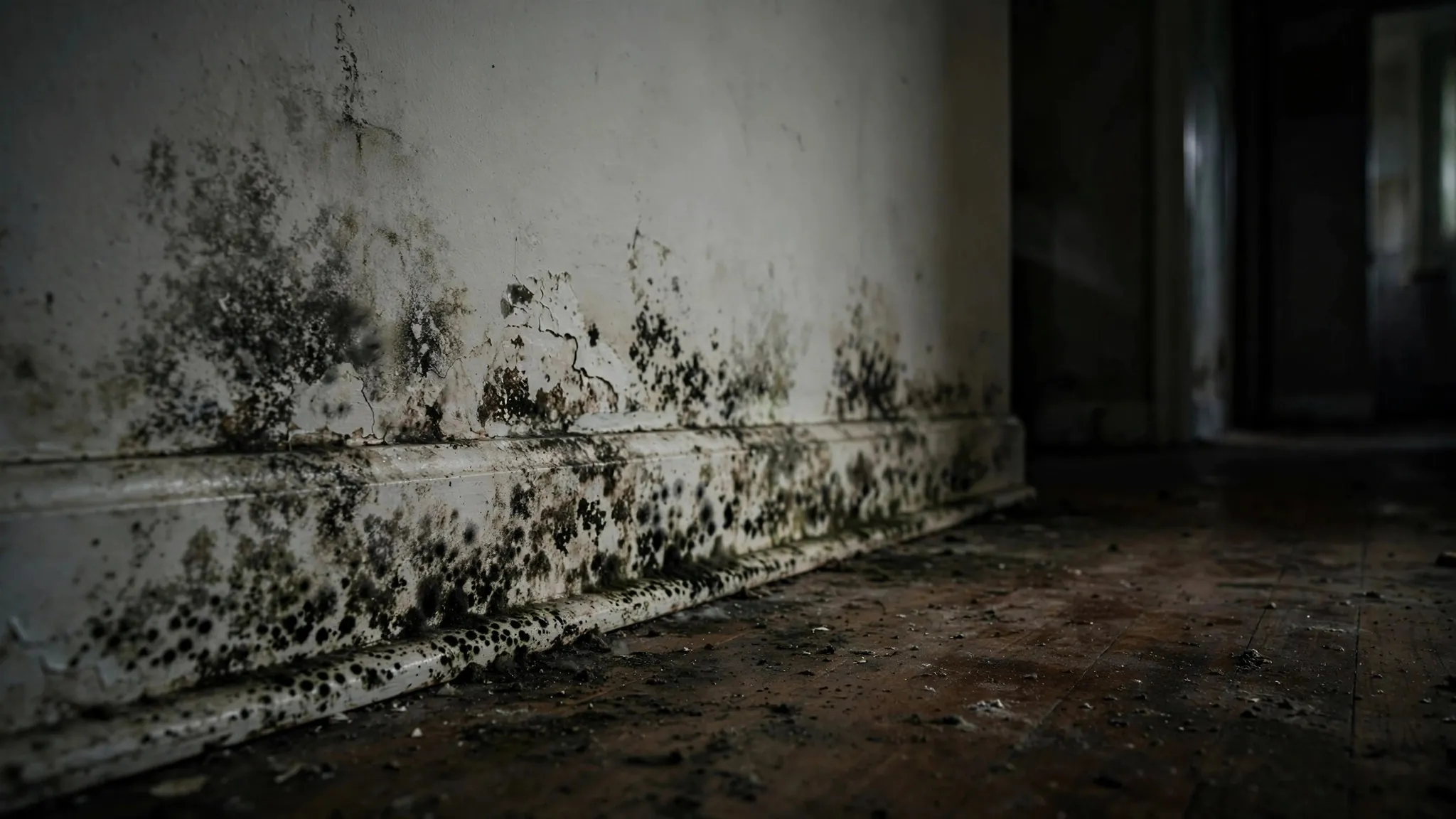
A musty or moldy smell with no visible water means hidden moisture — water concealed inside walls, under floors, above ceilings, or in crawlspaces, feeding microbial growth you cannot see. The odor is microbial volatile organic compounds (MVOCs) released by mold and bacteria digesting damp materials. The smell's location, intensity pattern, and timing trace the moisture: strongest near the source, worse in humid conditions, sometimes seasonal. Finding the smell's origin means finding the hidden leak — professional detection with moisture mapping and thermal imaging traces it without demolition.
Quick Answer
A musty smell without visible water means hidden moisture inside building assemblies — walls, floors, ceilings, or crawlspaces. Map the odor: where it is strongest, when it worsens, and what is behind/above/below. Check the usual hidden-leak suspects (plumbing walls, under-slab, attic, crawlspace) with moisture meters. Persistent musty odor with no visible source warrants professional moisture mapping and leak detection — the mold is the symptom, the hidden leak is the disease.
What To Do Right Now
- Map the odor. Walk room by room; note where it is strongest and where it fades. The gradient points to the source.
- Note the pattern. Worse in humidity? After rain? Constant? Seasonal? Patterns implicate sources.
- Check the obvious hidden spots. Under sinks, behind toilets, in closets on plumbing walls, basements, crawlspace hatches.
- Do not just deodorize. Air fresheners and odor absorbers mask the signal without addressing the moisture.
- Check the meter. Hidden flow confirms a plumbing leak vs. non-plumbing moisture.
- Call for mapping. Professional moisture mapping finds what noses cannot pinpoint.
Need Help Right Now?
Strong musty odor with visible mold growth, or odor with health symptoms? Address promptly — call now.
Call (617) 380-4912Why Hidden Moisture Smells (The Science)
Mold and bacteria digesting damp organic materials (drywall, wood, dust) release microbial volatile organic compounds (MVOCs) — the musty, earthy odor we recognize as "mold smell." Key facts:
- Odor means active growth — dormant mold smells little; the smell indicates current moisture supporting current growth.
- Hidden growth smells through materials — MVOCs diffuse through drywall and flooring; you smell the colony long before seeing it.
- Odor intensity tracks moisture — stronger smell means more moisture or closer proximity, not necessarily more mold.
- No smell does not mean no mold — some growth is odorless; but smell always means investigate.
Tracing The Odor: Systematic Approach
- Intensity mapping: rate the smell 1-10 in each room/closet; the highest number is nearest the source.
- Vertical tracing: is it stronger high (attic/roof source), mid (wall source), or low (slab/crawlspace source)?
- Wall identification: which walls smell strongest — plumbing walls, exterior walls, or random?
- Timing log: record intensity morning/evening, dry/humid days, before/after rain — patterns emerge within a week.
- HVAC check: does the smell intensify when heating/cooling runs? Duct-distributed odor suggests the source is near the air handler or in ductwork.
The Nose Is A Gradient Instrument
Your nose detects odor gradients — stronger here, fainter there — better than any single measurement. Walk slowly, breathe normally, and trust the gradient. The peak of the gradient is where the professional starts.
Common Hidden Moisture Sources
| Odor Location | Likely Hidden Source | Investigate |
|---|---|---|
| Near plumbing walls | Pipe leak inside wall | Wall leak detection |
| Musty throughout, worse downstairs | Slab leak or crawlspace moisture | Slab detection; crawlspace inspection |
| Closet on exterior wall | Exterior intrusion or condensation | Exterior inspection; ventilation check |
| Near bathroom, no visible leak | Shower/tub leak into wall/floor | Shower leak diagnosis |
| Attic hatch area | Roof leak or attic condensation | Attic inspection |
| Basement/crawlspace | Groundwater, drainage, or plumbing | Foundation and plumbing assessment |
| HVAC-amplified | Ductwork moisture or air handler issue | HVAC inspection |
Health Considerations (Balanced)
Honest, non-alarmist guidance on mold and health:
- Musty odor indicates active microbial growth — worth addressing for building health regardless of personal sensitivity.
- Sensitivity varies enormously — some people react strongly (allergies, asthma, irritation); others notice only the smell. Both responses warrant source correction.
- The priority is the moisture source — killing visible mold without fixing the leak guarantees recurrence. Source first, remediation second.
- Do not disturb large mold areas without precautions — disturbing colonies releases spores; significant growth warrants professional remediation with containment.
- Consult healthcare providers for personal health questions — this guide addresses buildings, not medicine.
What Happens If You Wait
- Colonization expands. Mold spreads through damp materials; the longer the moisture persists, the larger the remediation.
- Materials deteriorate. Prolonged dampness rots wood, crumbles drywall, and destroys insulation — structural costs accumulate.
- The leak continues. The hidden water source does not resolve; damage accrues invisibly.
- Remediation costs grow. Small, early mold cleanup vs. large-scale remediation — timing is the cost driver.
DIY Vs Professional
| Situation | Safe DIY | Call A Professional |
|---|---|---|
| Faint odor, suspected condensation | Ventilate; dehumidify; monitor | If odor persists despite ventilation |
| Localized odor near plumbing | Map the gradient; check the meter | Moisture mapping + detection |
| Strong odor, no visible source | Document the pattern; do not mask it | Professional promptly — significant hidden moisture |
| Visible mold growth | Small areas (<10 sq ft): careful DIY with protection | Larger areas: professional remediation with containment |
How Professionals Track Hidden Moisture
Professional investigation follows the odor gradient with instruments: moisture meters (pin and pinless) map dampness inside assemblies, thermal imaging reveals the moisture's extent and path, hygrometers measure humidity differentials, and borescopes visually inspect inside cavities through tiny openings. The moisture source — the hidden leak — is identified and marked; then leak detection (acoustic for pressurized) pinpoints the break. Remediation follows source repair, not before. For related hidden-leak symptoms, see damp patch diagnosis and phantom water sounds.
Crawlspaces: The Overlooked Source
Crawlspaces are prime hidden-moisture zones — rarely visited, often damp, and directly below living spaces where odors rise:
- Groundwater intrusion: poor drainage or high water tables wet the crawlspace chronically.
- Plumbing leaks: supply and drain lines routed through crawlspaces leak invisibly.
- Condensation: warm humid air condensing on cool ductwork and framing.
- Inspect: vapor barrier condition, standing water, duct insulation, and pipe condition — with proper protective equipment.
A musty smell strongest on the ground floor with no plumbing-wall source should prompt crawlspace inspection — the nose points down for a reason.
HVAC-Distributed Odors
When the musty smell intensifies when heating or cooling runs, the HVAC system is distributing odor from a source — not necessarily the source itself:
- Check the air handler: condensate drain pans, coils, and cabinets harbor growth when drainage fails.
- Inspect ductwork: flex ducts in damp attics or crawlspaces grow mold internally.
- Check the filter: a saturated or long-overdue filter indicates moisture issues upstream.
- The source is upstream of where the smell emerges — trace the ductwork back toward the air handler and its surroundings.
Do Not Just Change The Filter
A moldy-smelling HVAC filter indicates a moisture problem in the system — replacing the filter without addressing the moisture guarantees recurrence. The filter is the symptom; the moisture is the disease.
Seasonal Odor Patterns
| Odor Timing | Likely Moisture Source | Investigate |
|---|---|---|
| Worse in humid summer | Condensation, crawlspace moisture | Ventilation, dehumidification, crawlspace |
| Worse after rain | Exterior intrusion, roof leak | Envelope and roof inspection |
| Worse in winter | Attic condensation, ice dam leakage | Attic inspection |
| Constant year-round | Plumbing leak (pressurized) | Leak detection |
| Worse with HVAC operation | System-distributed from nearby source | Air handler and ductwork |
Remediation: Source First, Always
- Find and fix the moisture source — the hidden leak (detection + plumbing repair).
- Dry the assembly — dehumidification and airflow until moisture meters read normal.
- Remove compromised materials — mold-damaged drywall, insulation, and porous materials (non-porous can often be cleaned).
- Clean remaining surfaces — HEPA vacuuming and appropriate antimicrobial treatment.
- Verify — post-remediation moisture readings and visual inspection before restoration.
Remediation without source correction is futile — the moisture returns, and so does the growth. Every reputable remediator insists on source repair first; any who do not are selling the wrong service. For damp patch diagnosis and attic moisture sources, see our companion guides.
New Home Or Recent Renovation: Special Considerations
- New construction: musty odors in new homes often trace to construction moisture (materials not fully dried) rather than leaks — but persistent odor beyond the first year warrants investigation.
- Recent renovations: disturbed plumbing, new penetrations, and changed ventilation create new moisture paths — correlate odor onset with the renovation timeline.
- New finishes: paints, adhesives, and materials off-gas odors sometimes mistaken for mustiness — the distinction is the earthy/moldy character vs. chemical smell.
Ruling Out Non-Moisture Odors
Not every musty smell is moisture — rule out:
- Pet odors — distinct character; localized to pet areas.
- HVAC microbial growth — dirty socks syndrome and coil growth produce musty odors without building leaks.
- Stored materials — cardboard, fabrics, and organic materials in damp basements smell musty without active leaks.
- Sewer gas — rotten-egg character, distinct from musty; indicates trap or vent issues, not moisture.
When the odor is genuinely musty/earthy and not explained by these, hidden moisture is the leading hypothesis — and moisture mapping is the next step. For phantom water sounds and damp patches, see our companion guides.