
Underground Pipe Leak
Any pipe run hidden under soil, driveways, or slabs can leak silently. Acoustic and tracer gas detection finds the exact break with no excavation.
Fast · Reliable · Non-Invasive
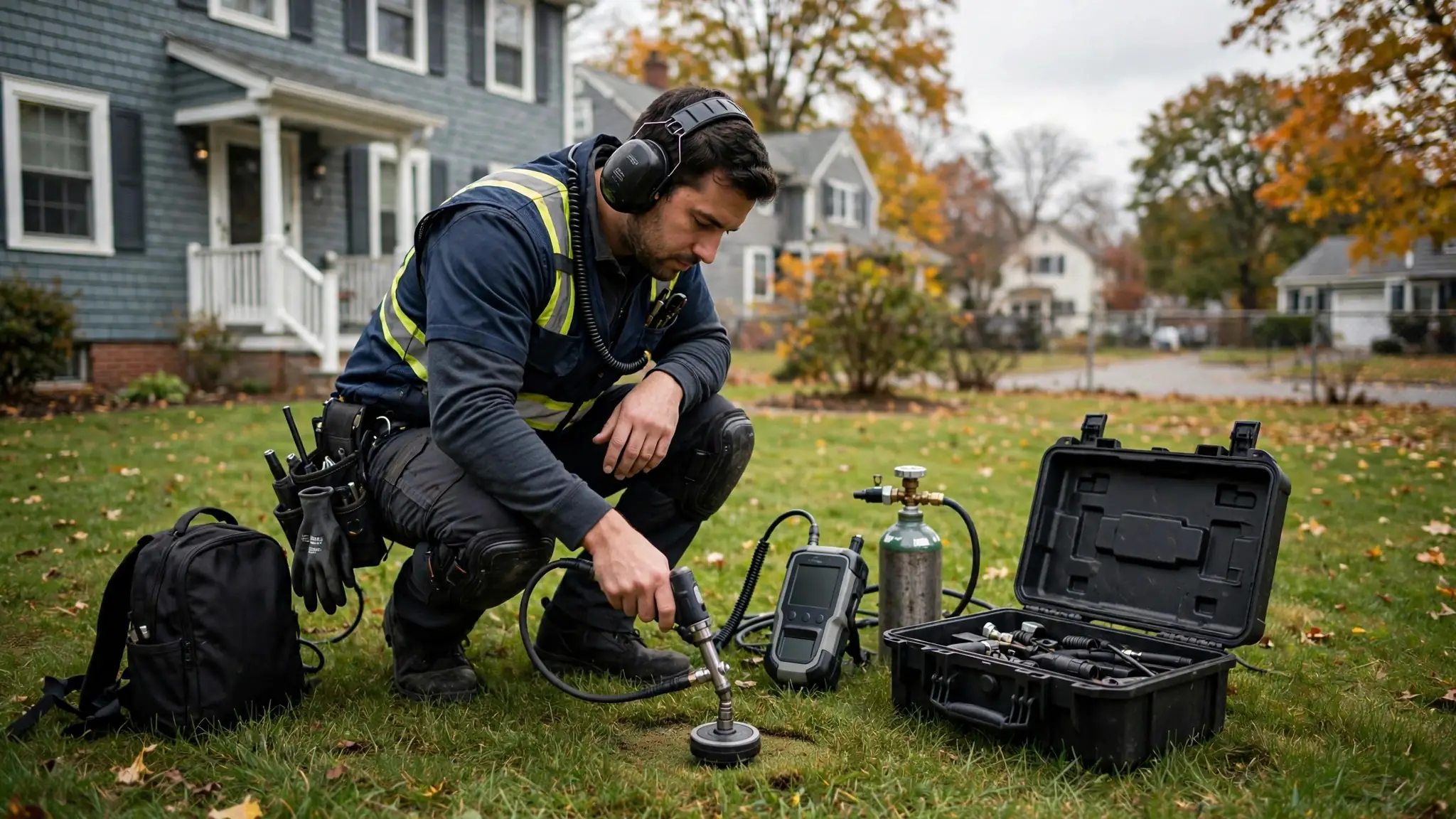
Buried water lines fail silently — soaking soil, undermining walkways, and spinning your meter while the surface looks almost normal. We locate underground line leaks with ground microphones that hear water escaping through soil and tracer gas that surfaces exactly above the break, marking the dig point within inches.
Related Services
Buried leaks connect to several systems. These related services cover the lines and symptoms most often involved.
Any pipe run hidden under soil, driveways, or slabs can leak silently. Acoustic and tracer gas detection finds the exact break with no excavation.
Low pressure, soggy ground between the street and your home, or a spinning meter can signal a service line leak. We locate it precisely with no blind digging.
Water pooling in the meter box or a soggy strip near the street means a leak between the meter and your home. We find it without digging up the yard.
Weak sprinkler zones, geysers, or a soggy lawn waste water and money. We pinpoint irrigation line and valve leaks so repairs target the exact spot.
Warning Signs
Underground leaks speak through the surface. Learn to read what your yard is telling you.
A persistently wet area — even days after rain — often sits directly above a leaking buried line. The soil stays saturated because water keeps arriving from below.
One strip of grass growing faster and greener than the rest is being fertilized by a constant underground water supply. Follow the stripe; it traces the pipe's path.
Escaping water washes soil away from around the pipe, leaving voids. Depressions in lawn, walkways, or driveways above a line's route signal erosion in progress.
Water appearing where it should not — bubbling from soil or seeping from a slope — means a pressurized line is pushing it up. The surface point is rarely directly over the break.
When the meter moves with everything off but the house shows no signs, the loss is outside — in the buried line between the meter and the building, or in irrigation laterals.
A significant buried leak bleeds pressure before water reaches your fixtures. If pressure fell across the whole property at once, suspect the underground supply.
Our Process
Underground detection is a surface science — we read the ground without opening it.
We trace the buried line's path first — from the meter to the house, plus irrigation laterals — using plans, valve locations, and pipe locators. You cannot find a leak on a line you have not mapped. We mark the route with flags or paint so you can see the full picture.
Ground microphones listen along the mapped route. Pressurized water escaping through soil makes a distinct hiss that pinpoints the leak's section, often within a few feet. Quiet early mornings give the cleanest acoustic readings.
We introduce safe tracer gas into the line. It escapes only at the break and rises through the soil, where our detector finds its exact surface point — the dig mark. The gas is non-toxic and dissipates harmlessly after the survey.
You get a marked location, depth estimate, and photos. Your excavator digs one hole at the mark instead of trenching the whole run — saving landscaping, pavement, and money. Landscaping restoration is limited to the single marked excavation.
Why Choose Us
Buried line work is where inexperience gets expensive — every unnecessary foot of trench tears up yards, driveways, and budgets. For 13 years we have traced Chelsea's buried infrastructure: old galvanized and copper services under narrow lots, irrigation laterals in compact yards, and lines stressed by our freeze-thaw winters. Our ground microphones, pipe locators, and tracer gas rigs turn a blind dig into a single marked hole, and our reports give your contractor depth and position to work from confidently. Underground work rewards patience and punishes haste — the difference between a two-foot hole and a trenched yard is entirely in the locating. Our tracer gas method is the decisive tool: the gas escapes only at the break and rises through the soil, giving a surface point that acoustic methods alone cannot match for precision. Combined with route mapping from pipe locators, we hand your excavator a mark with a depth estimate, not a search area. Thirteen years of Chelsea soil — its clay pockets, its rocky fill, its freeze-thaw heave — has taught us how each ground type carries sound and gas, and we adjust every survey accordingly.
Buried line tracing across Chelsea soil.
From 30 verified customer reviews.
We answer around the clock, every day.
One marked hole — never blind trenching.
Customer Feedback
Helpful Tips
Protect your underground lines and catch leaks before they become sinkholes.
Find out where your buried lines run before you plant trees or build. Roots seek water and crush pipes; construction equipment severs them. A mapped route prevents most accidental damage. Call 811 a few days before any planned digging — it is free and required.
Chelsea winters heave soil and stress buried joints. Walk your line route each spring — new soggy spots or depressions after thaw often mark winter damage. Thaw-season inspections catch the winter's damage at its freshest.
A buried leak erodes soil around the pipe, turning a simple repair into a collapse or sinkhole. The ground damage grows faster than the water bill — call at the first soggy sign. Soil voids grow exponentially; early action keeps repairs small.
Call 811 before any yard digging, and have private lines located too. Striking your own water line is an expensive and entirely preventable emergency. Striking a water line with equipment is dangerous as well as expensive.
Shut the house main valve: if the meter still spins, the leak is in the buried service line. If it stops, the leak is inside. This two-minute test aims the whole investigation. The house-valve test takes two minutes and aims the whole investigation.
Insist on a marked dig point before any excavation. One precise hole preserves lawns, plantings, and pavement that blind trenching would destroy — and the restoration savings are real. Restoration quotes for one hole versus a trench differ by an order of magnitude.
24/7 Emergency Service
A buried line break that surfaces — gushing water, rapidly growing sinkholes, or flooding — needs immediate response. Our 24/7 emergency line covers all of Chelsea with 30–45 minute arrival.
We locate the break, help you shut down the right valve, and mark the repair point so emergency excavation is surgical from the first scoop. See our full emergency buried line leak service.
Call (617) 380-4912 NowService Areas
From compact downtown lots to larger hillside properties, we trace and pinpoint buried line leaks in every Chelsea neighborhood within 02150.
FAQs
What Chelsea property owners ask about underground line leaks.
We map the line's route, then listen along it with ground microphones — escaping pressurized water makes a distinct underground hiss. Tracer gas introduced into the line escapes only at the break and rises to the surface, where we detect its exact point. The two methods together mark the dig spot within inches.
No. That is the entire point of detection. We mark one dig point with a depth estimate, so excavation opens a single hole at the break instead of trenching the whole line route.
In our climate, supply lines are typically buried below the frost line — often 3 to 4 feet deep. We provide a depth estimate with every marked location so your contractor plans the dig correctly.
Yes. Escaping water washes supporting soil away from around the pipe, creating voids that collapse under weight. Depressions or sinking pavement above a line route should be investigated promptly.
Even a small break in a pressurized line can waste hundreds of gallons per day, all of it invisible. That is why the meter test — spinning meter, everything off — is the fastest way to confirm one.
Generally, the section from the meter to your home is the property owner's responsibility, while the city maintains the main. Our isolation test at the meter determines which side the leak is on.
Yes. Acoustic and tracer gas methods work through pavement as well as soil. We regularly mark breaks under driveways and walkways so only that section is opened.
Yes — our emergency line is answered around the clock, with 30–45 minute arrival anywhere in Chelsea. Call (617) 380-4912 any time.
Once located, most buried line repairs take half a day to a full day of excavation and pipe work, plus restoration. The detection visit itself takes one to three hours. The variable is not the repair — it is finding the break, which is exactly what our marking eliminates as a question.
From The Blog
Read the surface signs and learn how underground detection works before you dig.
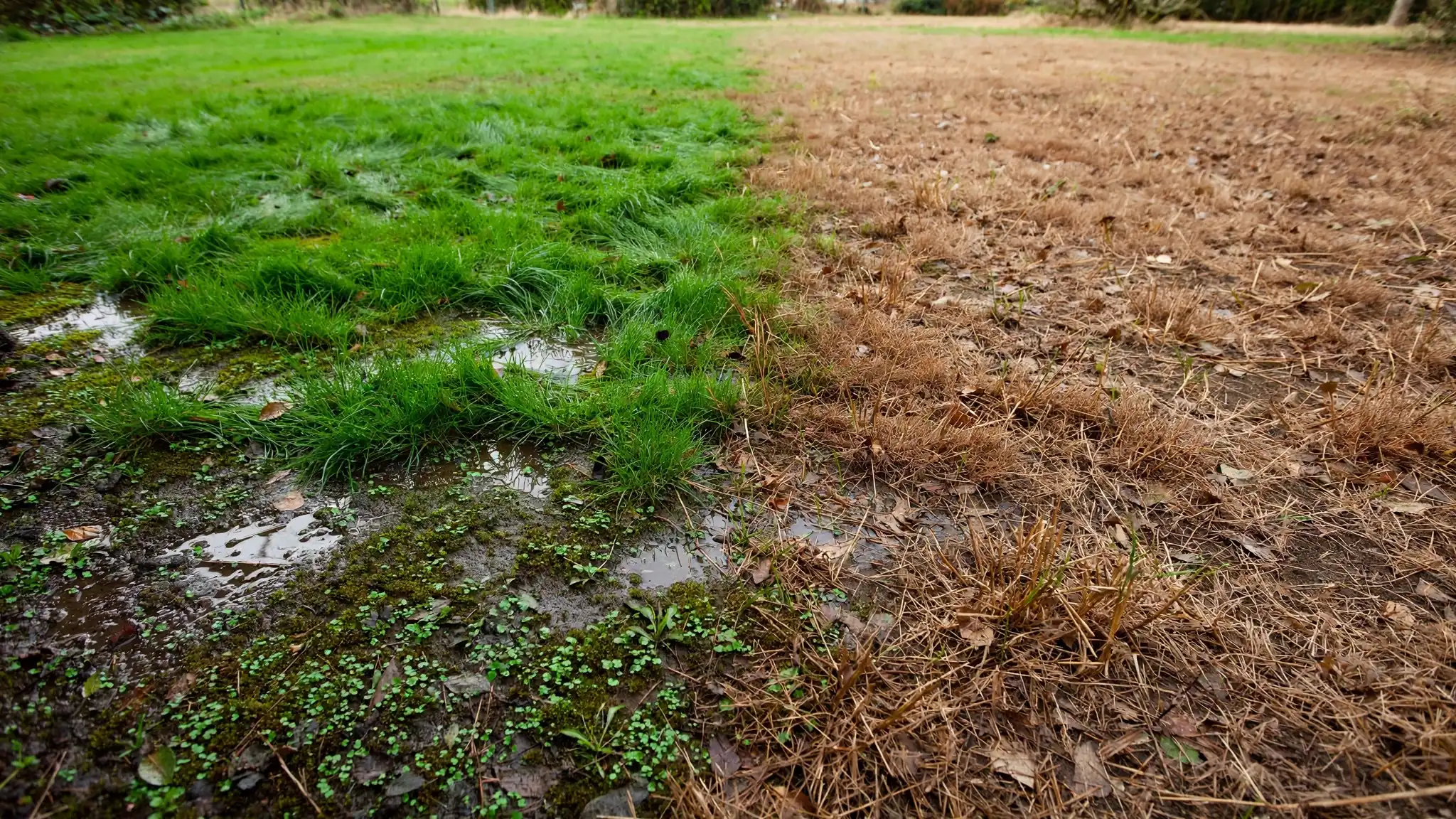
Soggy patches, lush grass stripes, and sinking soil — the surface signs of an underground water line leak.
Read Article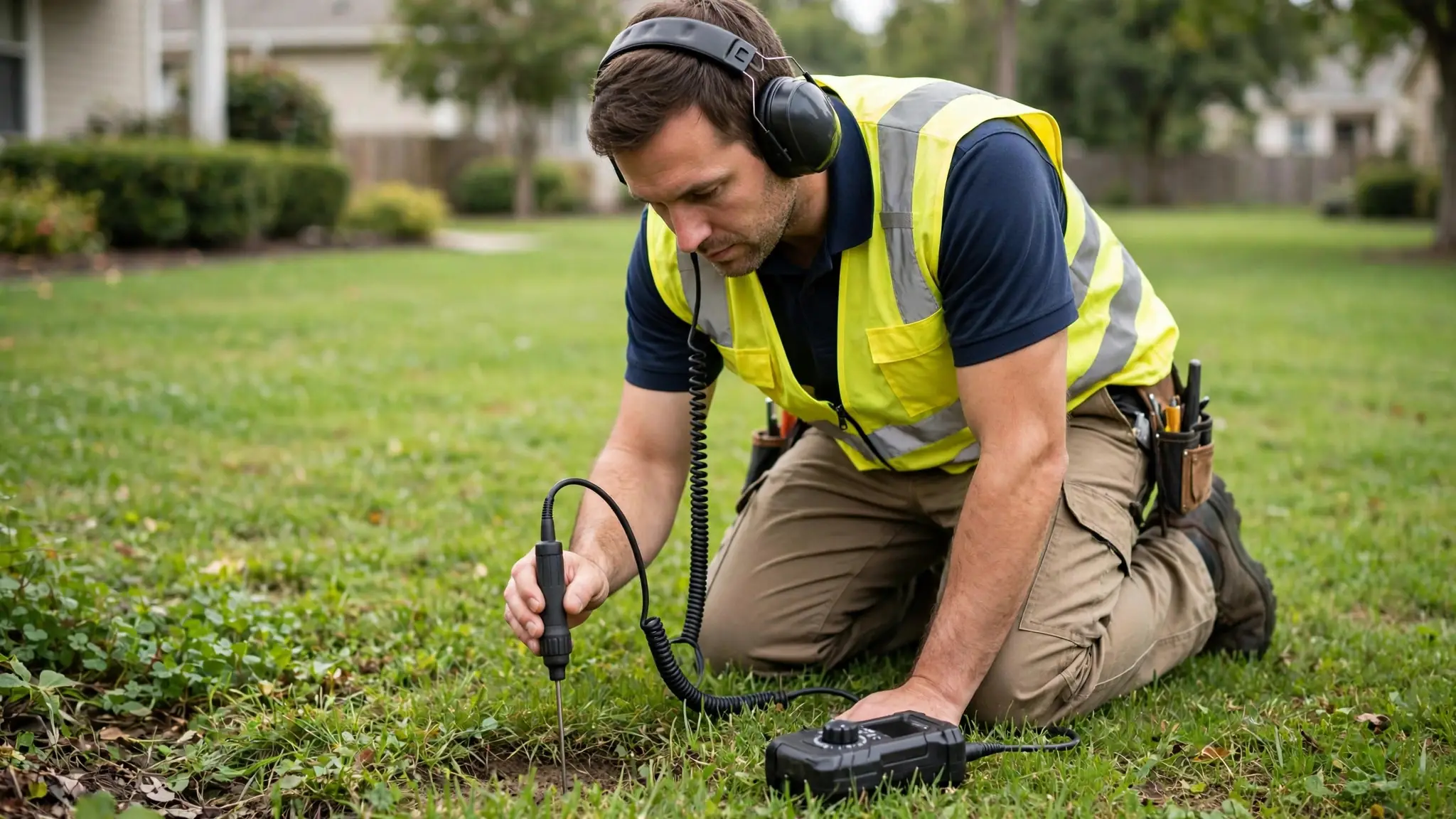
Ground microphones, tracer gas, and correlators — how technicians find buried leaks without digging up your yard.
Read Article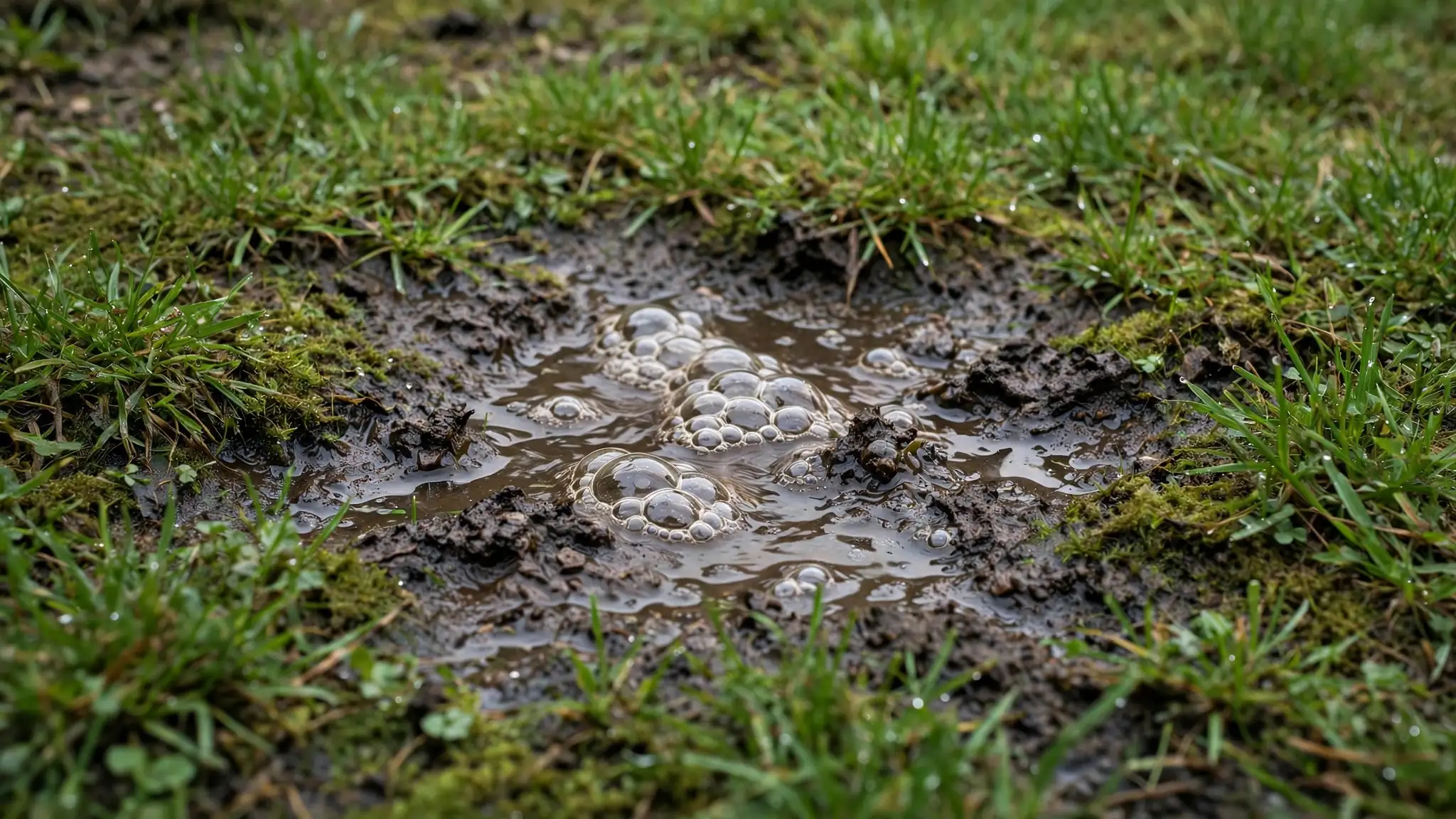
A soggy lawn that never dries often hides a buried pipe leak. Learn how to confirm it before calling for detection.
Read ArticleOne marked hole beats a trenched yard. Call now for buried line leak detection anywhere in Chelsea — 24/7 emergency response.
Learn More
Helpful guides about this service — signs, methods, and what to expect.
Soggy patches, sinkholes, pressure drops, and lush strips — the surface symptoms of buried pipe breaks.
Read Article
Acoustic surveying, line tracing, tracer gas, and moisture mapping — the no-dig toolkit for buried leaks.
Read Article
A single soggy patch in an otherwise dry yard usually marks the spot — what it means and what to do.
Read Article