
Pool Leak
Losing more than a quarter inch of pool water a day? We test, isolate, and pinpoint pool shell and plumbing leaks so you stop refilling and start swimming.
Fast · Reliable · Non-Invasive
A spa that needs constant refilling is not just evaporating — heated water, jets, and equipment create leak opportunities at every seal and connection. We diagnose hot tubs systematically: shell and jet seals first, then equipment-pad plumbing, then underground lines — pinpointing the failure so your repair is targeted, not a parts-swapping spree.
Related Services
Spas share systems with pools and household plumbing. These services cover the related diagnostics.
Losing more than a quarter inch of pool water a day? We test, isolate, and pinpoint pool shell and plumbing leaks so you stop refilling and start swimming.
Our core specialty: acoustic sensors, thermal imaging, and tracer gas find hidden leaks behind walls, under floors, and underground — accurately, non-invasively, in a single visit.
Water bill suddenly high with no visible leak? We check the meter, the service line, and your home to find the hidden loss — then show you exactly where it is.
A ceiling stain that grows, drips, or darkens needs fast answers. We trace ceiling leaks to the true source — roof, pipe, or fixture — before damage spreads.
Warning Signs
Hot tubs lose some water to heat and splashing — but leaks leave distinct evidence.
Topping off more than an inch or two per week in normal use means water is escaping, not evaporating. Heated spas evaporate more — but not that much more.
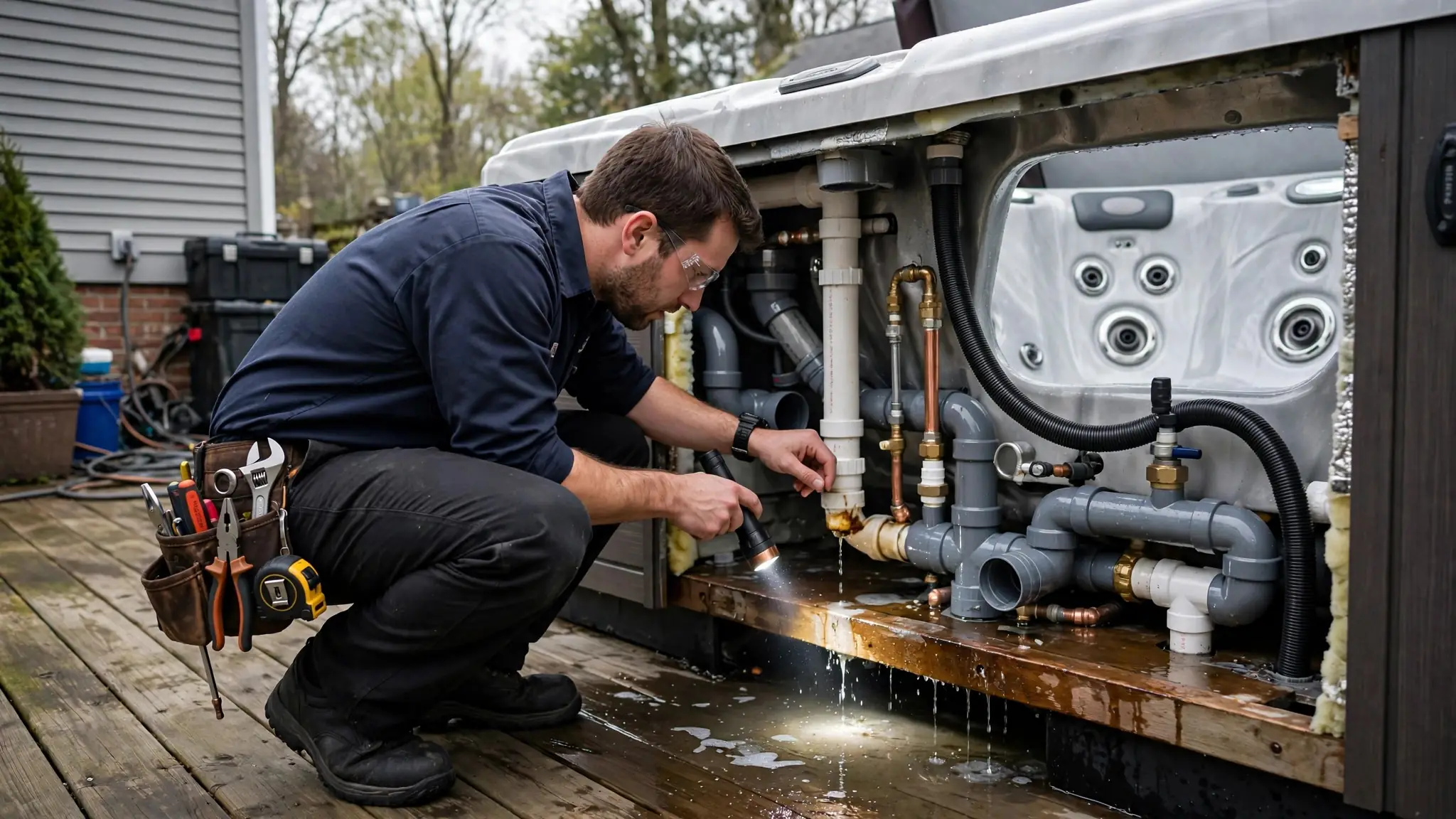
Water pooling under or around the pump, heater, or filter area points to equipment plumbing — unions, seals, or heater manifolds. The pad tells on the equipment.
Mark the level, leave the spa off for 24 hours, and check. A drop with the system idle isolates the leak to the shell or static plumbing — not the running equipment.
Low-flow and heater error codes often accompany leaks — the system cannot maintain pressure or prime. Error codes plus water loss mean look for the leak first.
Moisture wicking into the cabinet base or the pad beneath softens wood and delaminates panels. The wettest area maps the leak's neighborhood.
Weak jets on one side or air surging in the lines can indicate a suction-side leak drawing air — losing water and performance together.
Our Process
Shell, equipment, plumbing — each tested in turn until the culprit is proven.
We mark the water level and monitor loss with the system running versus idle. The difference tells us whether the leak is in pressurized equipment plumbing or in the static shell — splitting the search immediately. We log the loss rate — it hints at the leak's size.
Pump, heater, filter, ozonator, and every union and valve get inspected under operation. Most spa leaks live here — seals, gaskets, and heater manifolds — and reveal themselves to a trained eye. Union O-rings are the single most common spa leak we find.
With the system off, we dye-test every jet, suction fitting, and light niche, watching for dye drawn into failed seals or shell cracks. Each penetration is checked individually. Failed seals show dye draw clearly under test.
If shell and equipment hold, underground lines are isolated and pressure-tested. The failing line is identified and its break pinpointed — completing the full-system diagnosis. The completed diagnosis covers all three spa systems.
Why Choose Us
Spa leaks invite the most wasteful repair approach in the industry: replacing seals, gaskets, and parts one by one until the water holds. For 13 years we have spared Chelsea hot tub owners that ordeal with systematic diagnosis — proving whether the leak is in the shell, the equipment, or the plumbing before a single part is ordered. Heated, jetted, chemical-treated water stresses every seal uniquely; our testing accounts for that, and our pinpoint saves you from the parts-swapping lottery. The spa industry's dirty secret is the parts-swapping lottery — seals today, gaskets next week, heater union the week after — each visit billed, none diagnostic. Our systematic approach ends that cycle by proving the failure's location before any part is ordered: level-drop testing splits equipment from shell, dye testing checks every penetration, pressure testing covers buried lines. Thirteen years of Chelsea hot tubs has shown us every common failure and several uncommon ones, and our reports give your technician a target instead of a shopping list.
Spa diagnostics across Chelsea.
From 30 verified customer reviews.
We answer around the clock, every day.
Diagnosed before parts are ordered.
Customer Feedback
Helpful Tips
Keep the hot tub hot — and full.
Mark the level, turn everything off for 24 hours, and recheck. Loss while idle means shell or static plumbing; loss only while running means equipment-side. This free test aims the whole diagnosis. The running-versus-idle comparison is the most informative free test available.
Pump and heater unions loosen with thermal cycling. A seasonal hand-check and snug-up of accessible unions prevents the most common equipment-pad drips. Hand-tight plus a quarter turn is the rule — never force it.
Cranking down on leaking unions cracks them. If a union drips after gentle tightening, its O-ring needs replacement — force will only break the fitting. Cracked unions leak worse after overtightening — replace, do not force.
Aggressive water chemistry degrades seals and gaskets prematurely. Balanced chemistry does not just feel better — it extends every seal's life. Test strips are cheap; premature seal failure is not.
A good cover cuts evaporation dramatically, making real leaks obvious sooner. If you are refilling constantly with a cover on, it is definitely a leak. Covers also cut heating costs substantially — double win.
In Chelsea winters, either winterize fully or keep the spa heated and circulating. A frozen spa cracks plumbing comprehensively — the most expensive spa failure there is. A frozen spa is often a totaled spa — there is no minor freeze damage.
24/7 Emergency Service
A spa losing inches per day or flooding its equipment area risks heater and pump damage fast. Our 24/7 emergency line covers all of Chelsea with 30–45 minute arrival.
We stop the loss, protect the equipment, and pinpoint the failure so emergency repairs are precise. See our full emergency spa leak service.
Call (617) 380-4912 NowService Areas
Hot tubs and spas in every Chelsea neighborhood — full shell, equipment, and plumbing diagnostics within the 02150 ZIP.
FAQs
What Chelsea hot tub owners ask about water loss.
Heated spas evaporate more than pools — up to an inch or so per week with heavy use and no cover is plausible. Consistently losing more, especially with a cover on, indicates a leak rather than evaporation.
Pump and heater unions, jet gaskets, and equipment-pad plumbing lead the list — followed by shell penetrations like jets and suction fittings. Underground line breaks are less common but do occur. Equipment-pad plumbing — the pump, heater, and filter connections — accounts for the majority of spa leaks we diagnose, and most are union or seal failures with straightforward repairs.
Yes. Our level-drop tests, equipment inspection, dye testing, and pressure tests all work with the spa full. Draining is unnecessary for diagnosis.
Leaks cause low water flow or loss of prime, which heaters detect as unsafe conditions. The error codes are the equipment protecting itself — fixing the leak usually clears them.
Often yes — most spa leaks are seal, gasket, or union failures with modest repair costs. Our diagnosis tells you exactly what is wrong so you can weigh repair against replacement with real numbers. Document the diagnosis with our written report before authorizing work; reputable technicians welcome a second opinion grounded in tested evidence rather than replaced parts.
Severely. Frozen water expands and cracks plumbing, pumps, and heaters comprehensively. Either winterize completely or maintain heat and circulation all winter — there is no safe middle ground in Chelsea's climate.
Most spa diagnoses take one to two hours: level-drop analysis, equipment inspection, dye testing, and pressure tests as needed. Complex multi-fault cases can take longer.
Yes — our line is answered around the clock with 30–45 minute arrival anywhere in Chelsea. Call (617) 380-4912 any time.
With balanced chemistry, pump and heater seals typically last 3–5 years; jet gaskets often longer. Aggressive water chemistry, overtightened unions, and freeze exposure shorten every seal's life. Our diagnosis identifies which seals failed and why — so replacements last.
Yes. Chronic spa leaks rot wooden deck framing, undermine pavers through soil erosion, and delaminate composite materials. The equipment pad area suffers first — inspect the spa's surroundings seasonally, not just the water level.
From The Blog
Water loss signs, testing methods, and freeze protection for spa owners.
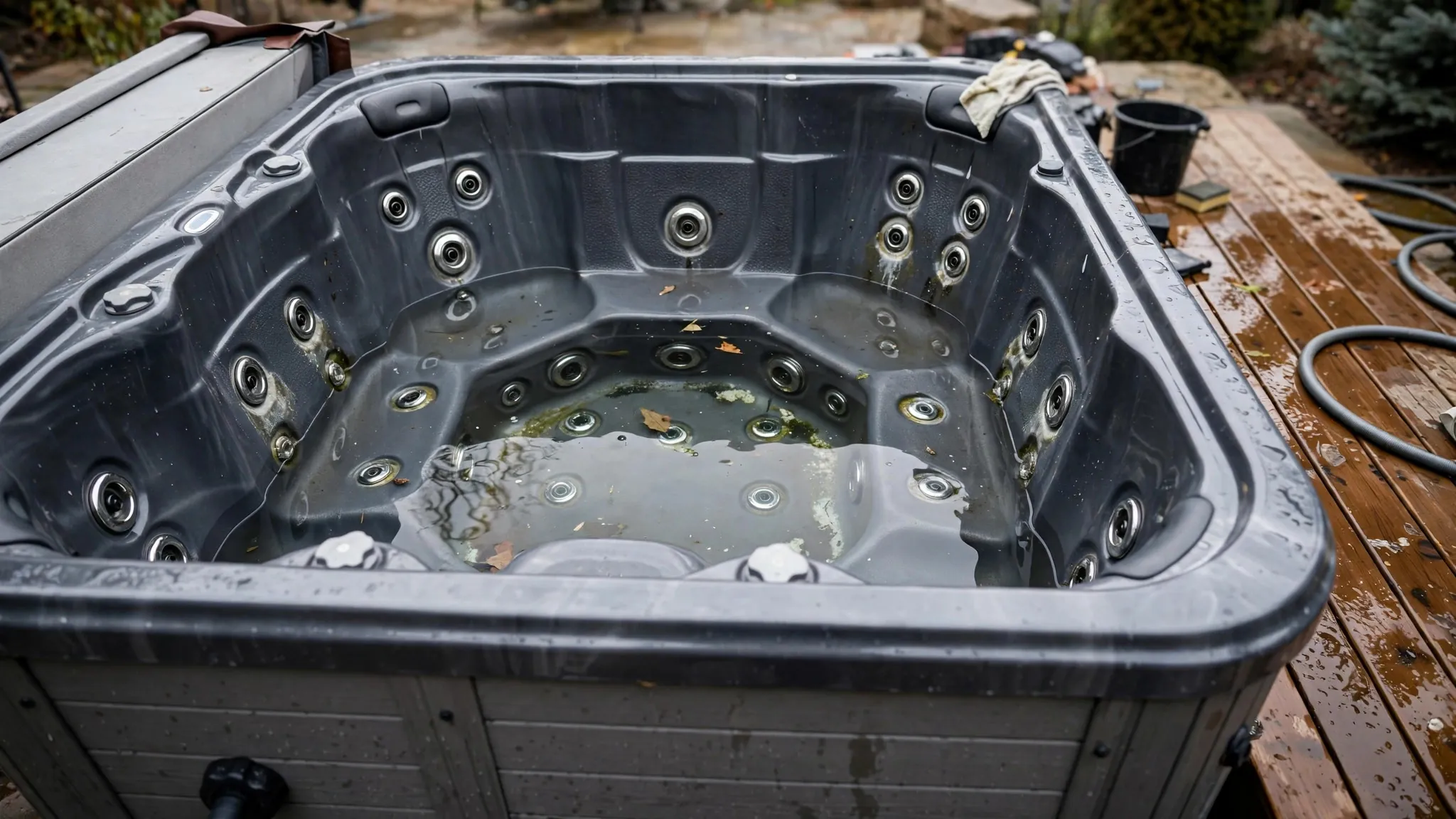
Constant refilling, wet equipment pads, and heater errors — the signs your spa is leaking, not evaporating.
Read Article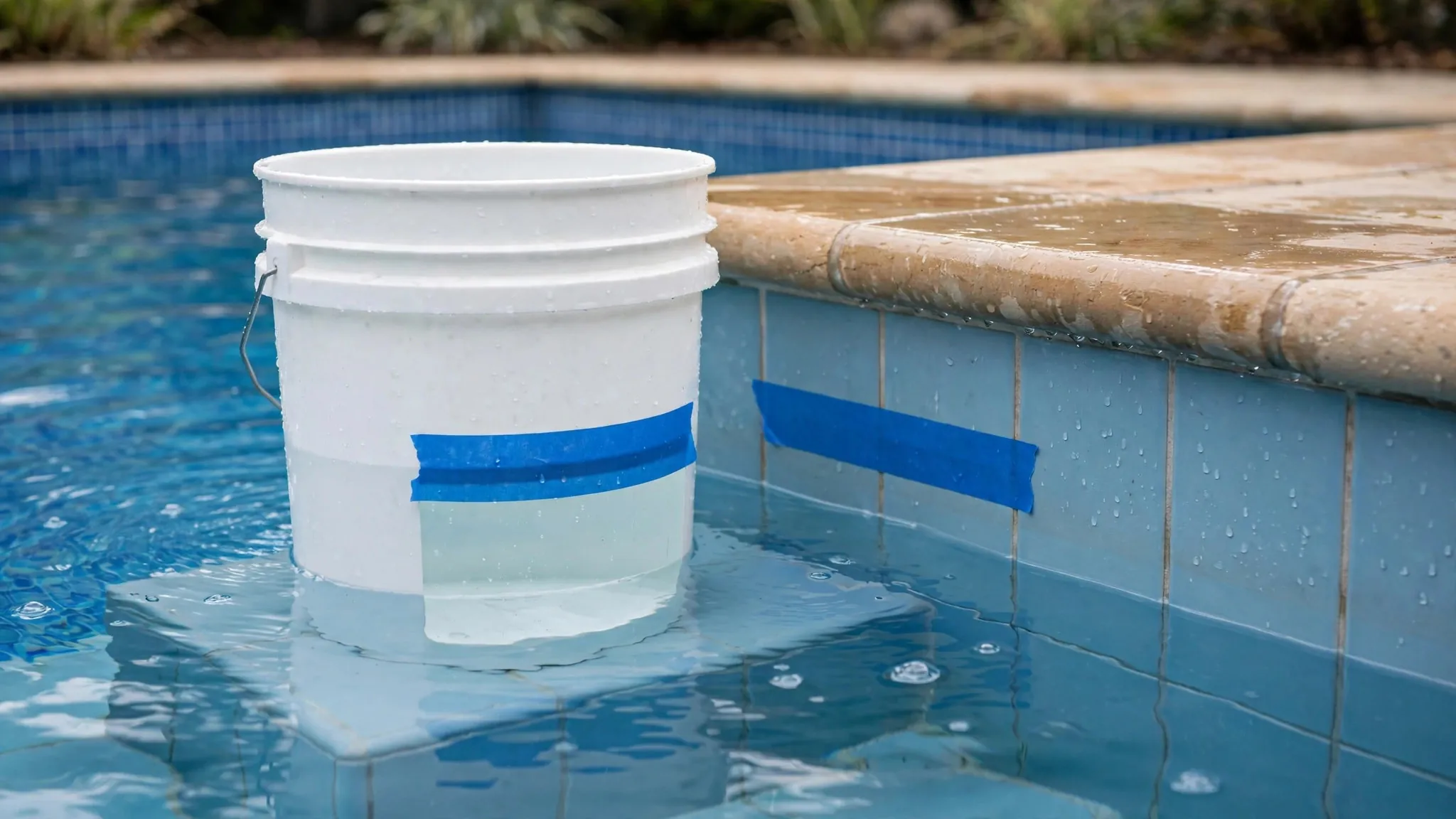
The bucket test settles it: evaporation or real leak? Learn the simple 24-hour test pool owners use.
Read Article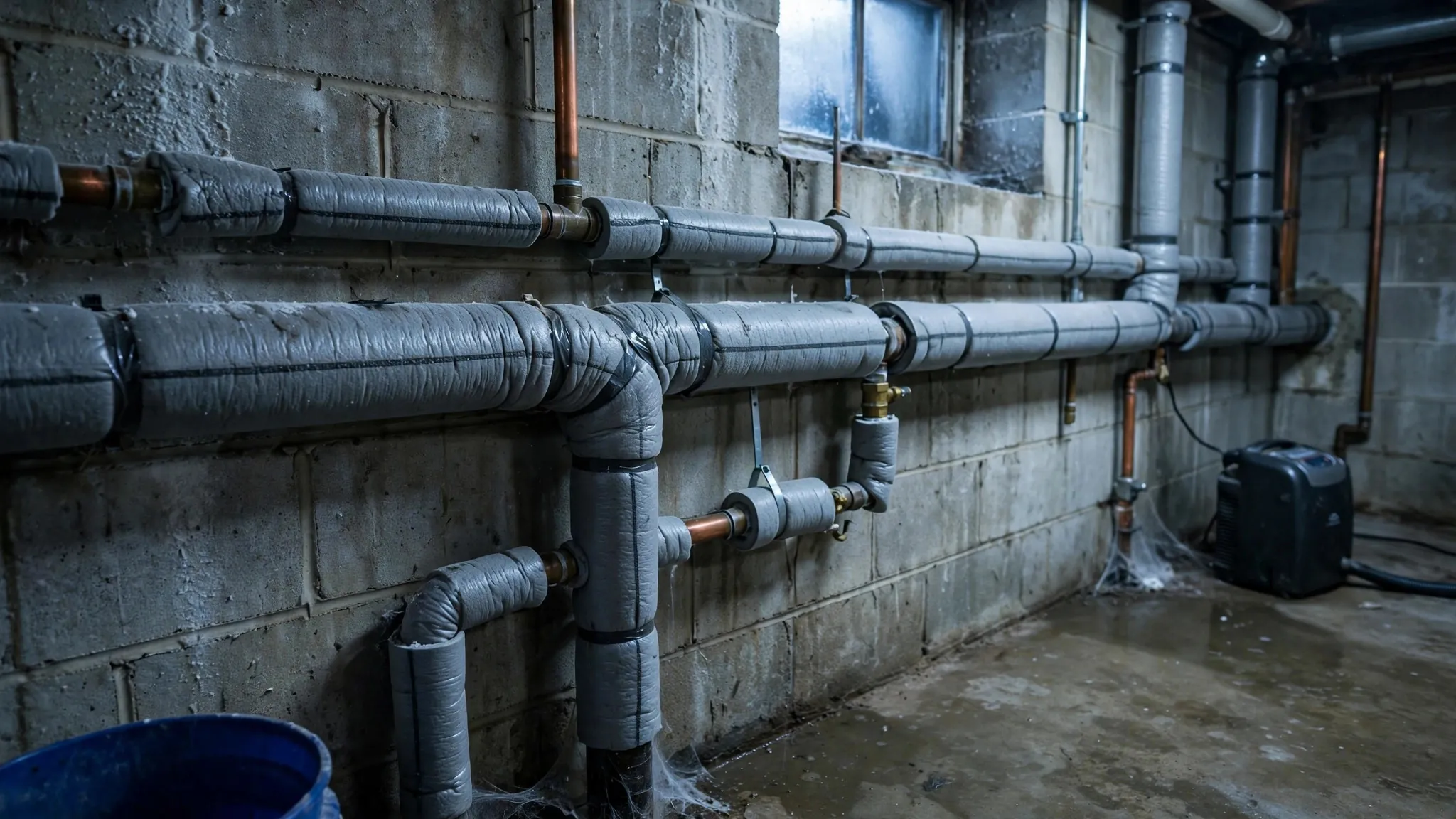
Chelsea winters burst pipes. A practical checklist to protect supply lines, hose bibs, and crawlspaces before the freeze.
Read ArticleSystematic diagnosis — no parts-swapping lottery. Call now for spa leak detection anywhere in Chelsea, 24/7.
Learn More
Helpful guides about this service — signs, methods, and what to expect.
Jets, heaters, pumps, and shell — the signs of a spa leak at each location.
Read Article
The 24-hour bucket test that separates evaporation from a real pool leak.
Read Article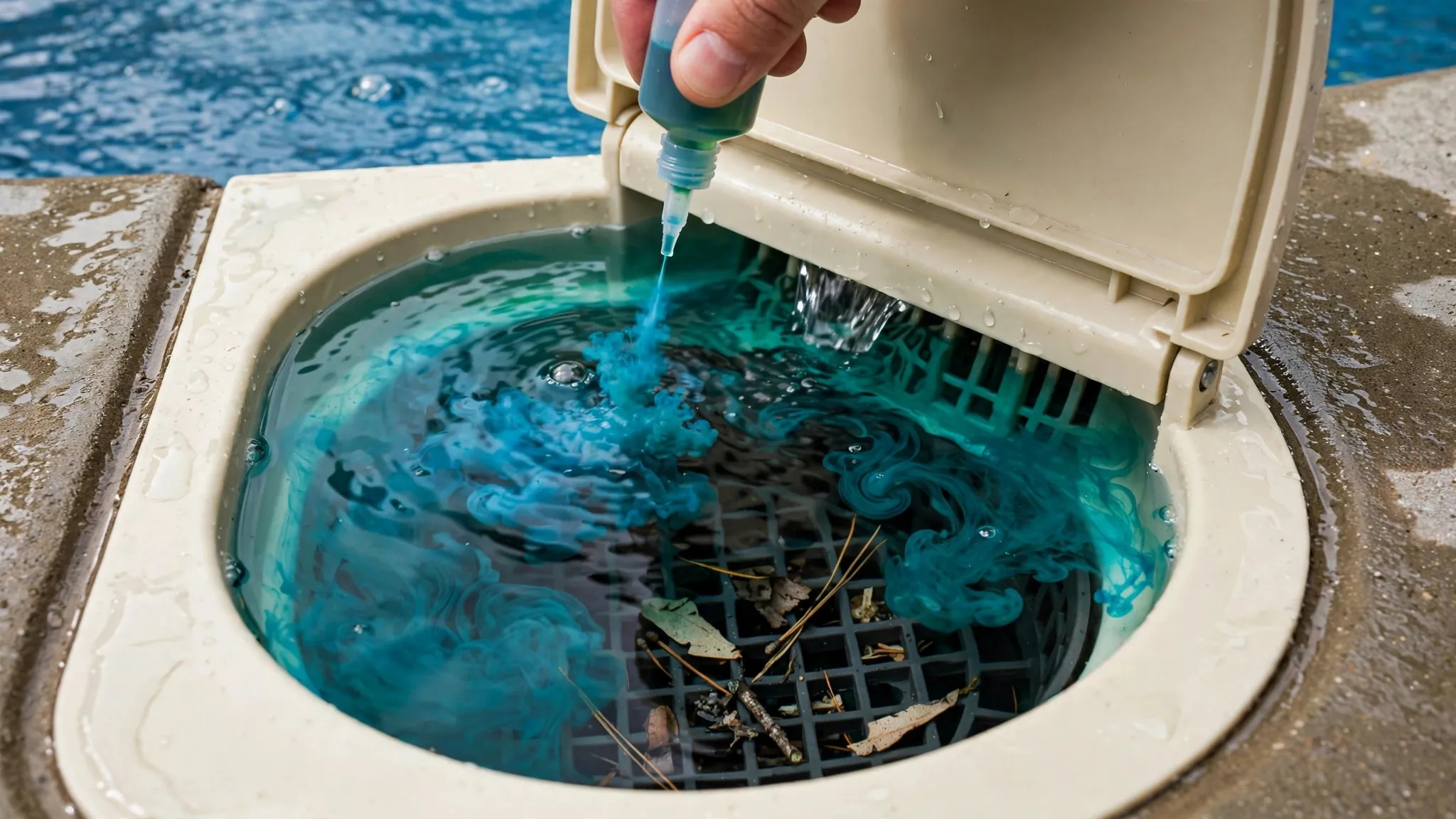
Skimmers, main drains, lights, and plumbing — where pools leak and how each gets found.
Read Article