
Yard / Meter-Box Leak
Water pooling in the meter box or a soggy strip near the street means a leak between the meter and your home. We find it without digging up the yard.
Fast · Reliable · Non-Invasive
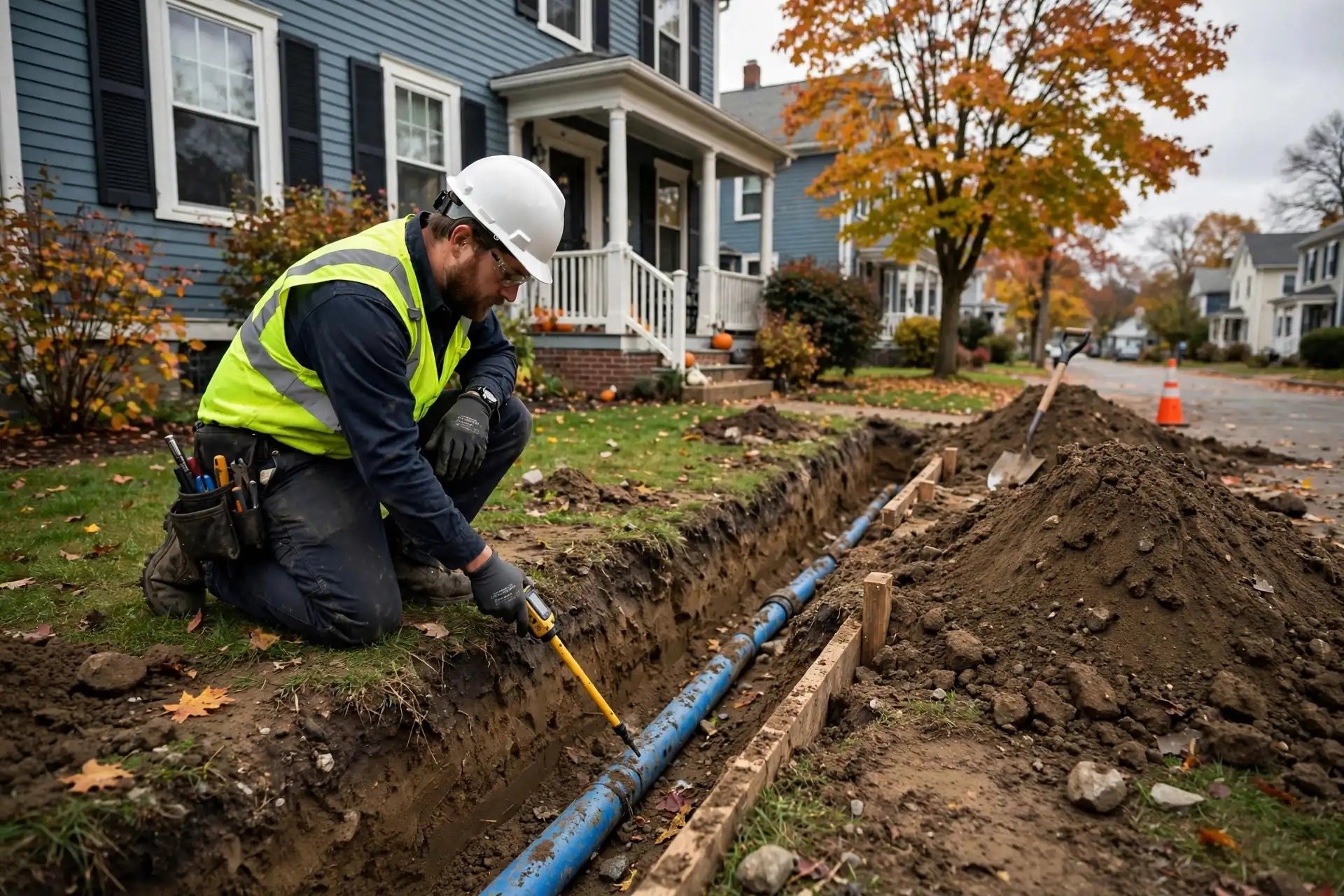
The water service line — the buried pipe from the street meter to your home — is your responsibility, and when it leaks, every gallon passes through your meter first. We specialize in service line leaks: isolating the line at the meter to prove the loss, then tracing the buried run with acoustic and tracer gas methods to mark the exact break.
Related Services
Service line leaks touch the meter, the yard, and your bill. These services cover each angle.
Water pooling in the meter box or a soggy strip near the street means a leak between the meter and your home. We find it without digging up the yard.
Soggy lawn, sinking soil, or water surfacing where it should not can mean a buried pipe leak. Ground microphones and tracer gas locate it without tearing up your yard.
Water bill suddenly high with no visible leak? We check the meter, the service line, and your home to find the hidden loss — then show you exactly where it is.
A spinning meter with everything off confirms water is escaping somewhere. Our meter checks isolate the loss fast, then pinpoint the exact source.
Warning Signs
The service line is buried and out of sight — these surface clues are how it asks for help.
Shut your main house valve: if the meter keeps moving, water is escaping in the buried service line. This two-minute test is the definitive service line check.
A persistently wet band between the sidewalk and your home often sits over the service line's path. The leak saturates soil along the trench the pipe was laid in.
A service line break bleeds pressure before water reaches your home — every fixture suffers at once. Sudden whole-house pressure loss points to the supply side.
Standing water in the meter pit, especially on the house side of the meter, often means the service line connection or the line itself is leaking at the box.
Service line leaks run 24/7 underground, and every gallon registers on your meter. A bill that climbs with no visible cause frequently ends at the service line.
Soil washing away around a leaking service line leaves a sunken trail from the street toward the house. The depression literally maps the pipe's path — and its failure point.
Our Process
From meter to mark — a focused sequence built for this specific buried line.
We shut your house main and watch the meter. Movement with the house isolated proves the service line is the leaking section — no assumptions, just evidence, before we trace a foot of ground. The test is free of interpretation — the dial either moves or it does not.
Using pipe locators and the meter-to-house path, we map the service line's exact route across your property — under lawn, walkway, or driveway — so detection follows the pipe, not guesses. We note surface features (driveway, plantings) that excavation must avoid.
Ground microphones listen for the leak's hiss along the mapped route; tracer gas confirms the precise break point. We mark the dig location with a depth estimate for your contractor. Depth estimates account for local frost-line burial practices.
You get the marked break, photos, and a report distinguishing the homeowner's section from the city's — critical documentation if responsibility or cost-sharing is in question. Keep this report — it is the evidence in any cost-sharing discussion.
Why Choose Us
Service line leaks sit at a stressful intersection: your money (every gallon is metered), your property (the line crosses your yard), and a responsibility question (yours versus the city's). For 13 years we have resolved that stress for Chelsea homeowners — proving the leak with meter isolation, tracing the buried run without tearing up the property, and documenting exactly whose section failed. Our marks have guided countless service line repairs and replacements, and our reports have settled more than a few responsibility disputes. The service line sits at the intersection of your money, your property, and a legal question — and we handle all three. Every gallon lost passes through your meter, so speed matters financially; the line crosses your yard, so precision matters for your landscaping; and the homeowner-versus-city boundary determines who pays. Our meter-isolation proof settles the location question with evidence, our tracing marks a single dig point with depth, and our report documents the responsibility split. Thirteen years of Chelsea service lines — their materials, their depths, their winter vulnerabilities — backs every mark we make.
Service line tracing across Chelsea.
From 30 verified customer reviews.
We answer around the clock, every day.
Marked dig point — no blind trenching.
Customer Feedback
Helpful Tips
Protect the line you own but cannot see.
Close your house main valve and watch the meter for five minutes. This simple test instantly tells you whether a suspected leak is in the service line or inside the house — do it before calling anyone. Do this test before calling anyone — it determines the entire next step.
In most cases you own the service line from the meter to your home. Knowing this before a leak appears means faster decisions and no surprise disputes when water is flowing. Responsibility disputes are common; knowledge is your leverage.
Freeze-thaw cycles shift soil and stress old service line joints. Inspect the meter-to-house route each spring for new wet spots or settling — winter damage surfaces with the thaw. Freeze-thaw is the service line's greatest enemy in our climate.
Tree roots aggressively seek the moisture around service lines, crushing or infiltrating joints. Keep deep-rooted plantings well away from your line's route. Roots can crush a line years after the tree was planted — plan ahead.
Burying or blocking your meter box delays every future test and repair. Keep it visible and reachable — technicians and the water department both need access. Blocked boxes delay emergency shutoffs when minutes matter.
Galvanized or aging copper service lines past 40–50 years fail in patterns, not just spots. If your line is old and leaking once, ask about replacement versus repair economics. Aging lines fail in clusters; one leak often predicts the next.
24/7 Emergency Service
A major service line break — water surfacing, flooding, or a meter spinning wildly — is an emergency. Our 24/7 line covers all of Chelsea with 30–45 minute arrival.
We prove the break location, help shut the right valve to stop the loss, and mark the repair point so emergency work is surgical from the start. See our full emergency water service line leak service.
Call (617) 380-4912 NowService Areas
Every Chelsea property has a service line, and we trace them all — meter to house, in every neighborhood within the 02150 ZIP.
FAQs
What Chelsea homeowners ask about the buried line they own.
The water service line is the buried pipe carrying water from the street main — past your meter — into your home. It typically runs 3 to 4 feet deep across your front yard, and in most areas the homeowner owns and maintains the section from the meter to the house.
Close your main house valve and watch the meter: if it keeps moving, the leak is in the buried service line. Soggy ground between the street and your home, low whole-house pressure, and unexplained bill spikes are the other classic signs.
Usually the homeowner pays for the section from the meter to the house, while the water utility maintains the street main up to the meter. Our isolation test and report document exactly which section is leaking.
We map the line's route with pipe locators, listen along it with ground microphones for the leak's hiss, and confirm with tracer gas that surfaces exactly above the break. You get one marked dig point with a depth estimate.
Yes — small breaks soak into soil without surfacing, and the only symptom is a climbing bill. That is why unexplained bill spikes deserve a meter isolation test promptly.
A single break in an otherwise sound line suits a spot repair. Aging lines with corrosion or multiple weak points are often more economical to replace entirely — your contractor can advise once we mark the failure.
Freeze-thaw soil movement stresses joints and can crack aging pipes. Lines buried below the frost line are protected from freezing itself, but soil shifting still takes a toll over decades.
Yes — our emergency line is answered around the clock with 30–45 minute arrival anywhere in Chelsea. Call (617) 380-4912 any time.
Copper service lines often last 50+ years; galvanized steel typically 40–50; older lead lines are past their safe life regardless of leaks. Soil conditions, water chemistry, and freeze-thaw cycles all affect lifespan. If your line is past its expected life and leaking, replacement usually beats repair economically.
From The Blog
Causes, responsibility rules, and meter-box clues for service line leaks.
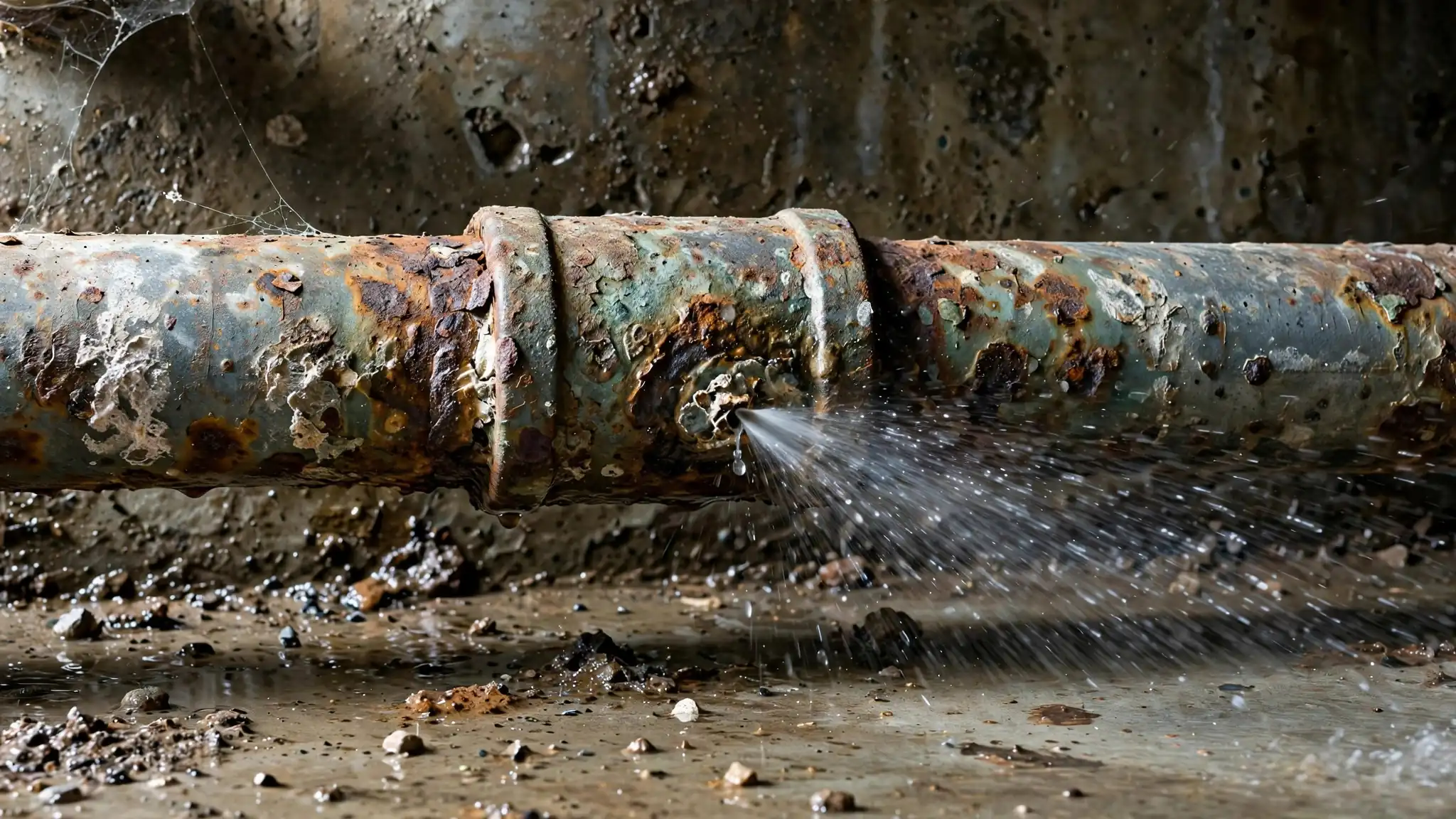
Age, soil movement, and freezing all attack service lines. Learn the causes and the early signs to watch for.
Read Article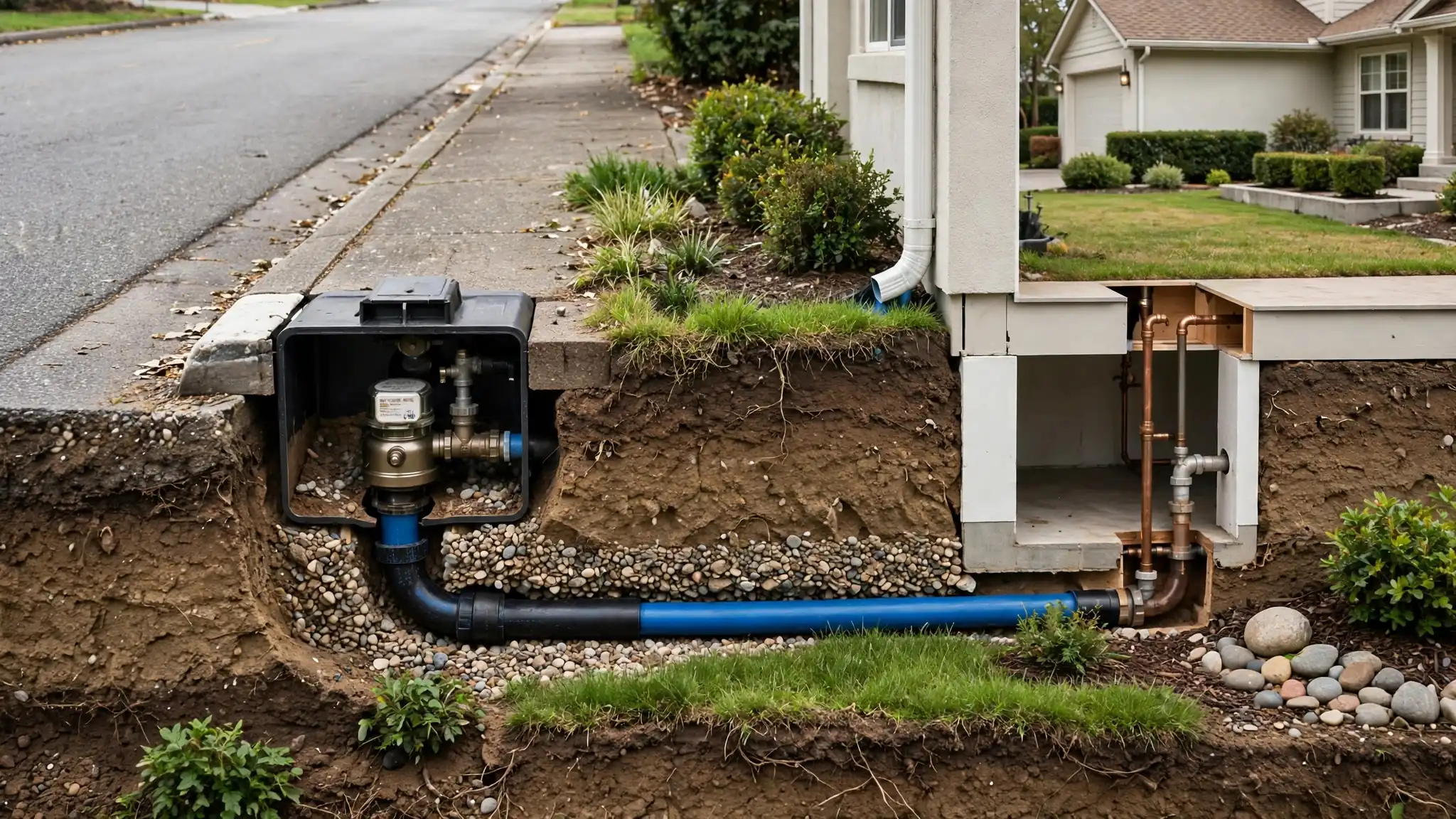
Homeowner or city? The answer decides who pays for a service line leak repair. Learn where responsibility splits.
Read Article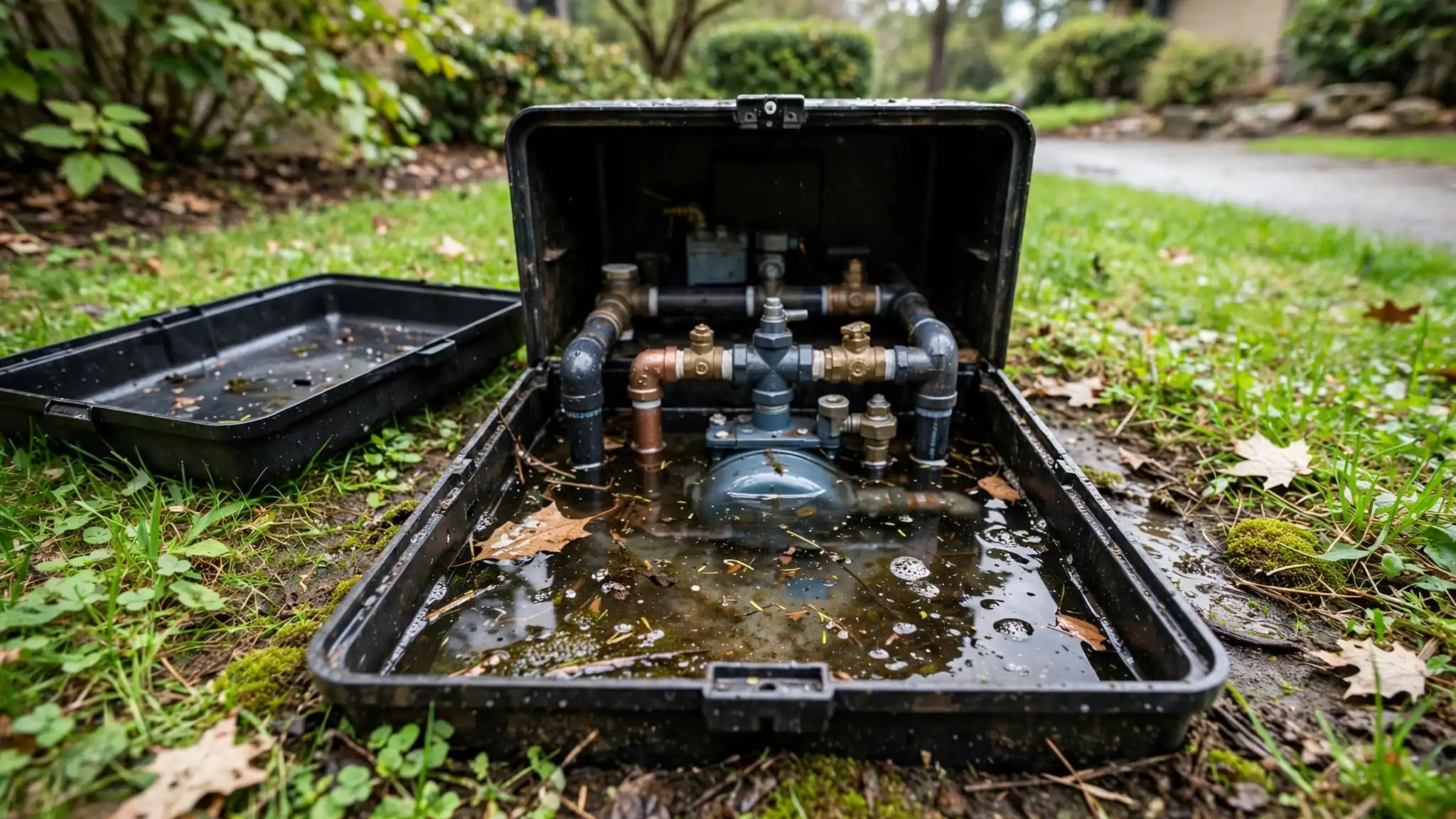
Standing water in the meter box is a clue, not the whole story. Learn what meter-box signs mean for your service line.
Read ArticleProve it, locate it, fix it — without digging up the yard blindly. Call now for service line leak detection anywhere in Chelsea, 24/7.
Learn More
Helpful guides about this service — signs, methods, and what to expect.
Where homeowner responsibility for the water service line typically starts and ends.
Read Article
Corrosion, freeze-thaw, roots, and age — the complete guide to service-line failure and professional detection.
Read Article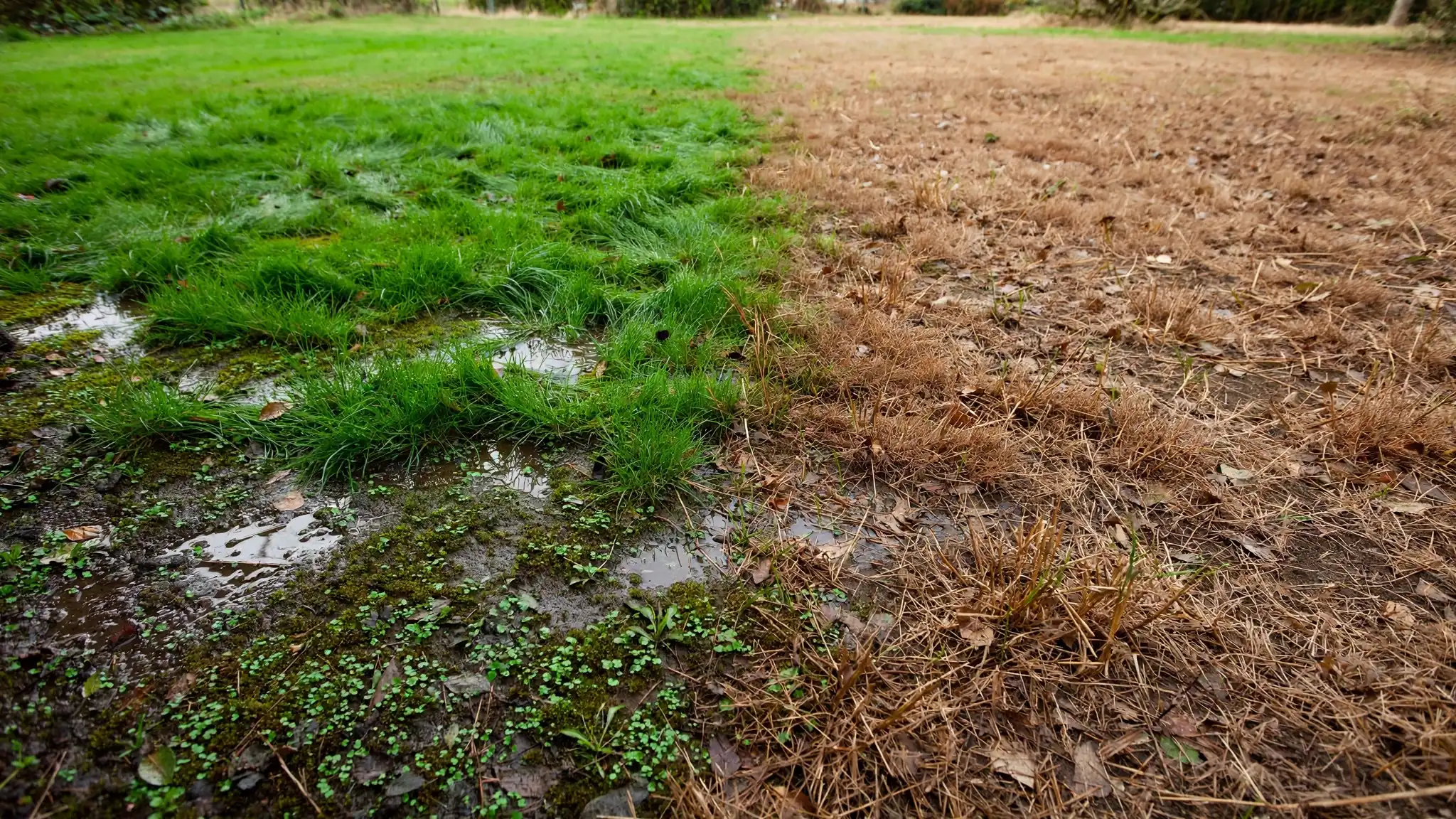
Soggy patches, sinkholes, pressure drops, and lush strips — the surface symptoms of buried pipe breaks.
Read Article