
Yard Drain Cleaning
Stormwater pooling against your foundation or a soggy yard after rain means drains are not carrying water away. We clear and restore yard drainage.
Fast · Reliable · Non-Invasive
Irrigation leaks are the silent budget-killers of the watering season — a cracked lateral or weeping valve can waste thousands of gallons between cycles while the lawn looks fine. We diagnose irrigation systems zone by zone: pressure-testing laterals, listening for underground breaks, and checking valves, so the repair targets the exact fault instead of the whole system.
Related Services
Irrigation leaks overlap with yards, bills, and buried lines. These services cover each connection.
Stormwater pooling against your foundation or a soggy yard after rain means drains are not carrying water away. We clear and restore yard drainage.
Soggy lawn, sinking soil, or water surfacing where it should not can mean a buried pipe leak. Ground microphones and tracer gas locate it without tearing up your yard.
Water bill suddenly high with no visible leak? We check the meter, the service line, and your home to find the hidden loss — then show you exactly where it is.
Losing more than a quarter inch of pool water a day? We test, isolate, and pinpoint pool shell and plumbing leaks so you stop refilling and start swimming.
Warning Signs
Your sprinkler system talks — learn its leak language before the water bill translates it.
A zone with low pressure, short throw, or misting heads has a break or leak in its lateral. Comparing zones side by side makes the weak one obvious.
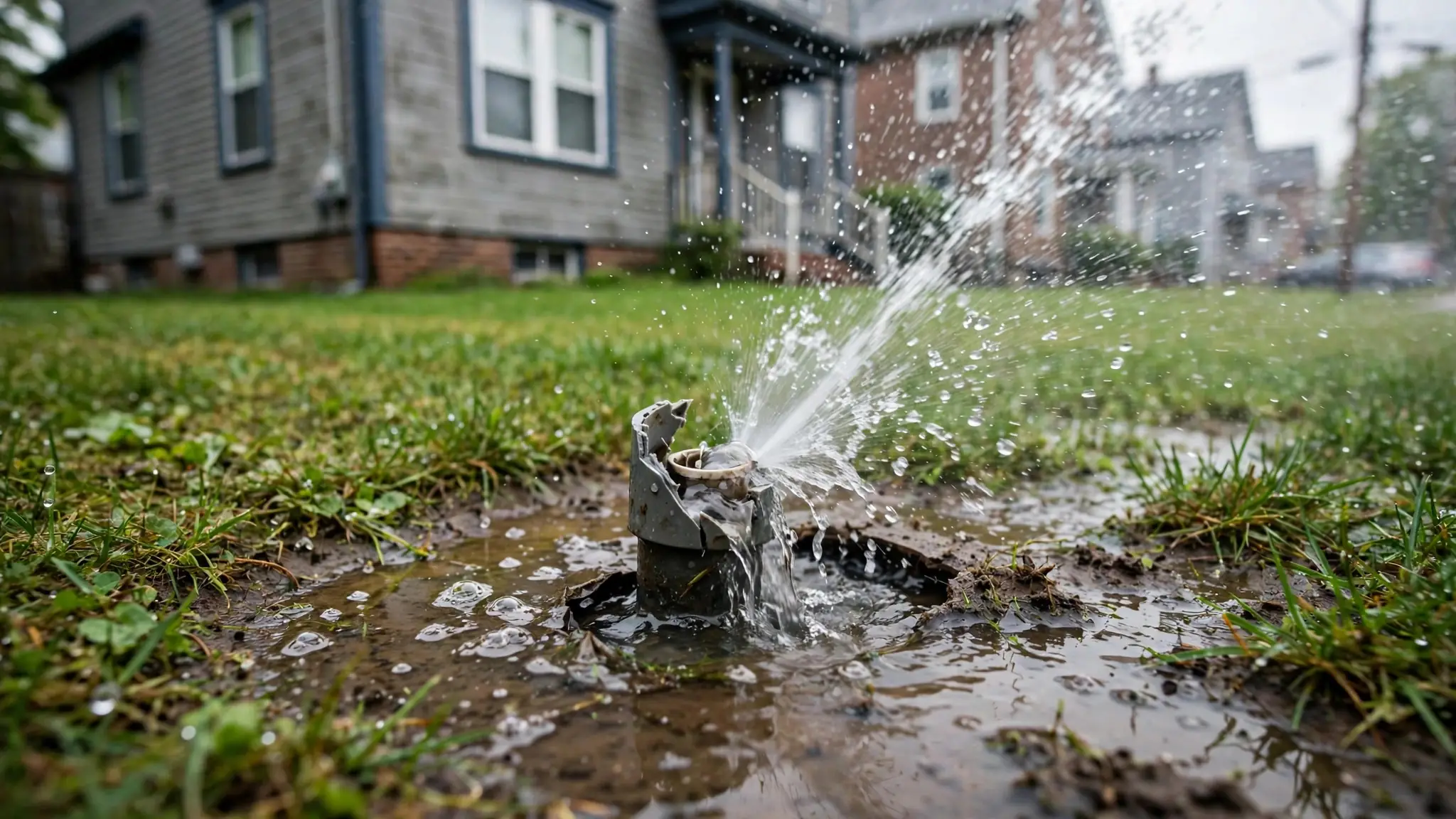
Water erupting from a head or the ground means a broken head, cracked lateral, or popped fitting. Geysers waste dramatic amounts of water in minutes.
Ground that stays wet long after watering — or never dries — signals a weeping valve or lateral leak feeding it constantly, even with the system off.
Standing water in a valve box points to a leaking valve diaphragm, seal, or connection. Valves are the hardest-working parts and the most common failure point.
A bill that jumps when the system starts up — and stays high — usually means the irrigation, not the house, is losing water. Seasonal timing is the giveaway.
On well or pump-fed systems, a pump that runs far more than the watering schedule indicates water escaping downstream of the pump — a leak, not demand.
Our Process
Zone by zone, valve by valve — systematic, not scattershot.
We run every zone with you, noting weak coverage, geysers, and wet spots. This visual survey alone often identifies the problem zone before any instruments are used. We note head models and zone layouts for your future reference.
Each valve box is opened and checked: diaphragms, seals, solenoids, and wiring. Weeping valves — the most common irrigation leak — are found here, above ground. Diaphragm wear is visible on inspection — no guessing.
Suspect laterals get pressure-tested in isolation. A lateral that will not hold pressure has a break; acoustic listening along its path pinpoints the exact spot underground. The test isolates one lateral at a time for clear results.
You get marked break locations, valve findings, and a zone-by-zone health summary — everything your irrigation contractor needs to fix only what is broken. Your contractor gets valve findings plus marked underground breaks.
Why Choose Us
Irrigation leaks frustrate because the system 'works' — it waters, just wastefully. For 13 years we have diagnosed Chelsea's irrigation systems through every watering season: freeze-cracked laterals from harsh winters, root-crushed lines under mature plantings, and valves worn out by years of cycling. Our zone-by-zone method finds the fault without digging up healthy lines, and our reports distinguish irrigation loss from household leaks — so you stop paying for water your lawn never needed. Irrigation systems fail in seasonal patterns that reward local experience — Chelsea's freeze-thaw winters crack laterals and valves with metronomic regularity each spring, and our thirteen years of seasonal work means we check the usual suspects first. But we never assume: every zone is tested, every valve inspected, every suspect lateral pressure-checked, because the unusual failure still happens. The result is a diagnosis that distinguishes a $20 valve diaphragm from a crushed lateral before you spend a dollar — and a zone-by-zone health report that prevents next season's surprise.
Irrigation diagnostics every season.
From 30 verified customer reviews.
We answer around the clock, every day.
Marked spots — no trench guessing.
Customer Feedback
Helpful Tips
Keep your system efficient and catch leaks in their first season.
Once a month during watering season, watch each zone run for two minutes. You will spot weak heads, geysers, and wet patches long before the bill does. Two minutes per zone monthly prevents most season-long waste.
Blow out the system before Chelsea's first hard freeze. Frozen water expands and cracks laterals, valves, and backflow devices — the number one cause of spring irrigation leaks. Fall blowouts are the highest-ROI irrigation maintenance there is.
Mowers and trimmers damage valve boxes and heads regularly. A quick post-mow glance at boxes and heads catches mechanical damage early. Trimmer damage to heads and boxes is extremely common — look closely.
A tilted or clogged head does not just water poorly — it changes zone pressure dynamics and masks lateral leaks. Keep heads aligned and clear. Proper head alignment also improves coverage uniformity, saving water.
If your utility allows a dedicated irrigation meter, it separates watering costs from household use — making future leak investigations dramatically simpler. Separate metering pays for itself the first time a leak is investigated.
Sketch which heads belong to which zone and where laterals run. A zone map turns every future diagnosis from a treasure hunt into a targeted check. Laminate the map and keep it with the controller — future you will be grateful.
24/7 Emergency Service
A major irrigation break — geysers, flooding, or a main line rupture — wastes enormous water fast. Our 24/7 emergency line covers all of Chelsea with 30–45 minute arrival.
We shut the system down at the right valve, locate the break, and mark it so emergency repairs are immediate and precise. See our full emergency irrigation leak service.
Call (617) 380-4912 NowService Areas
Lawns, gardens, and commercial landscapes in every Chelsea neighborhood — zone-by-zone irrigation diagnostics within 02150.
FAQs
What Chelsea property owners ask about sprinkler system leaks.
Watch each zone run: weak pressure, geysers, misting heads, or soggy ground between cycles all indicate leaks. A bill that spikes when watering season starts is the financial symptom. Our zone-by-zone testing confirms and locates the fault.
Weeping valves — a worn diaphragm or seal lets water seep through the valve constantly, even with the system off. They are found in the valve box above ground and are inexpensive to fix once identified.
Yes. We pressure-test each lateral in isolation; a lateral that will not hold pressure has a break. Acoustic listening along the lateral's path then pinpoints the exact underground spot.
A single weeping valve or cracked lateral can waste thousands of gallons per month — often more than the entire household uses. Irrigation leaks are among the most expensive hidden leaks per day. At typical municipal rates, a single weeping valve can add hundreds of dollars to a seasonal water bill — which is why spring startup inspections pay for themselves many times over.
Broken heads and misaligned nozzles are fine DIY fixes. But persistent zone weakness, soggy ground, or bill spikes indicate underground or valve faults where professional diagnosis saves money over parts-swapping guesses.
Yes — it is the leading cause of spring irrigation leaks. Water left in laterals, valves, and backflow devices expands when frozen and cracks them. Professional winterization each fall prevents most of it.
Yes. By isolating the irrigation main valve and watching the meter, we determine whether the loss is in the irrigation system or the household plumbing — a critical split for both repair and billing.
Yes — our line is answered around the clock with 30–45 minute arrival anywhere in Chelsea. Call (617) 380-4912 any time.
Wait until the hard-freeze risk has passed, then start up zone by zone while watching for weak coverage, geysers, and wet spots — freeze damage reveals itself at first pressurization. A professional spring startup inspection catches winter damage before the watering season's bills arrive.
Smart controllers optimize watering schedules but do not detect underground leaks — a weeping valve wastes water regardless of scheduling intelligence. Flow-sensing controllers are the exception: they alert on abnormal flow, catching leaks early. Pair technology with seasonal inspections for full protection.
From The Blog
Zone signs, detection methods, and bill impacts of irrigation leaks.
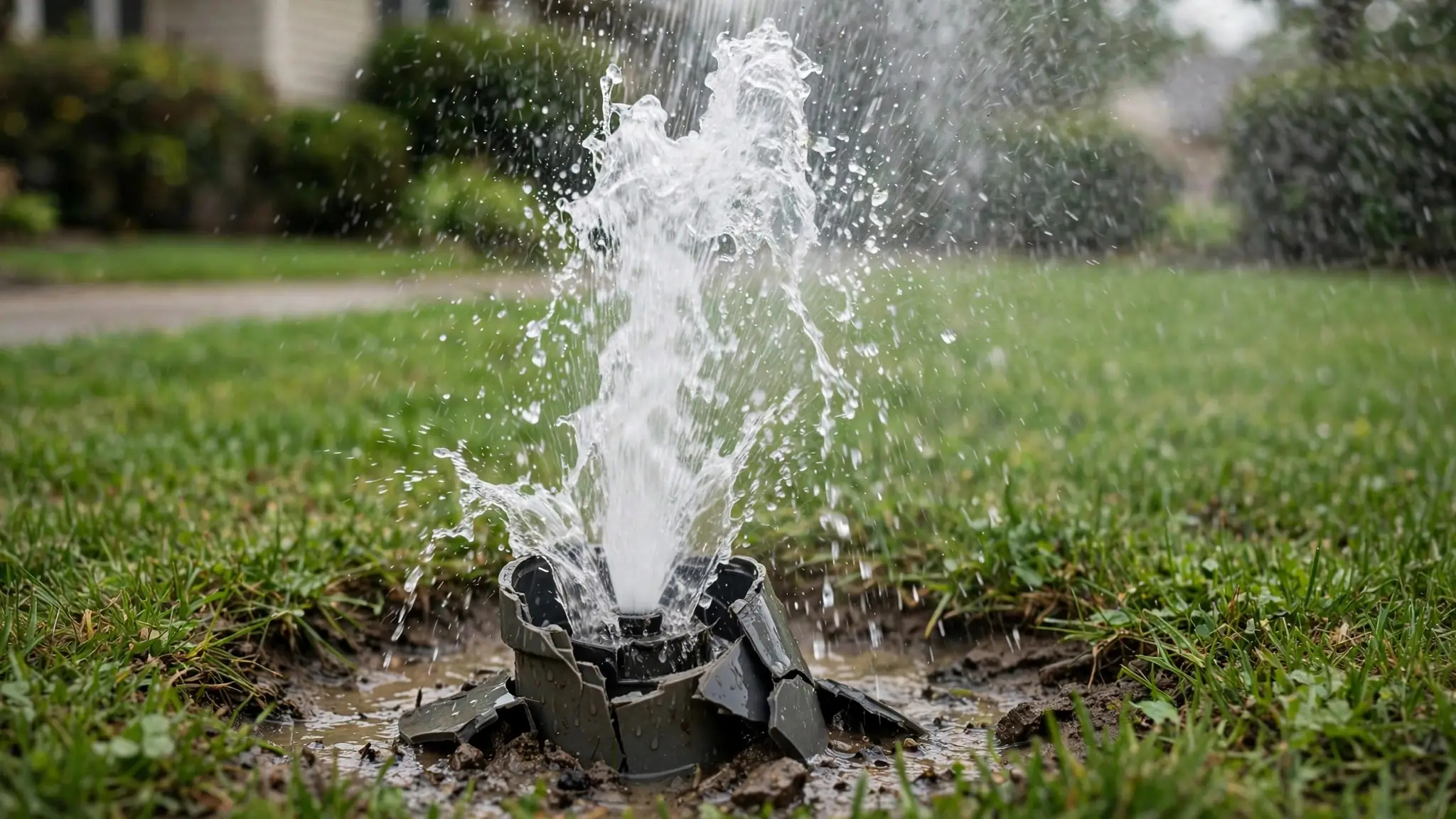
One weak zone, geysers, or soggy patches point to an irrigation leak. Learn the zone-by-zone signs.
Read Article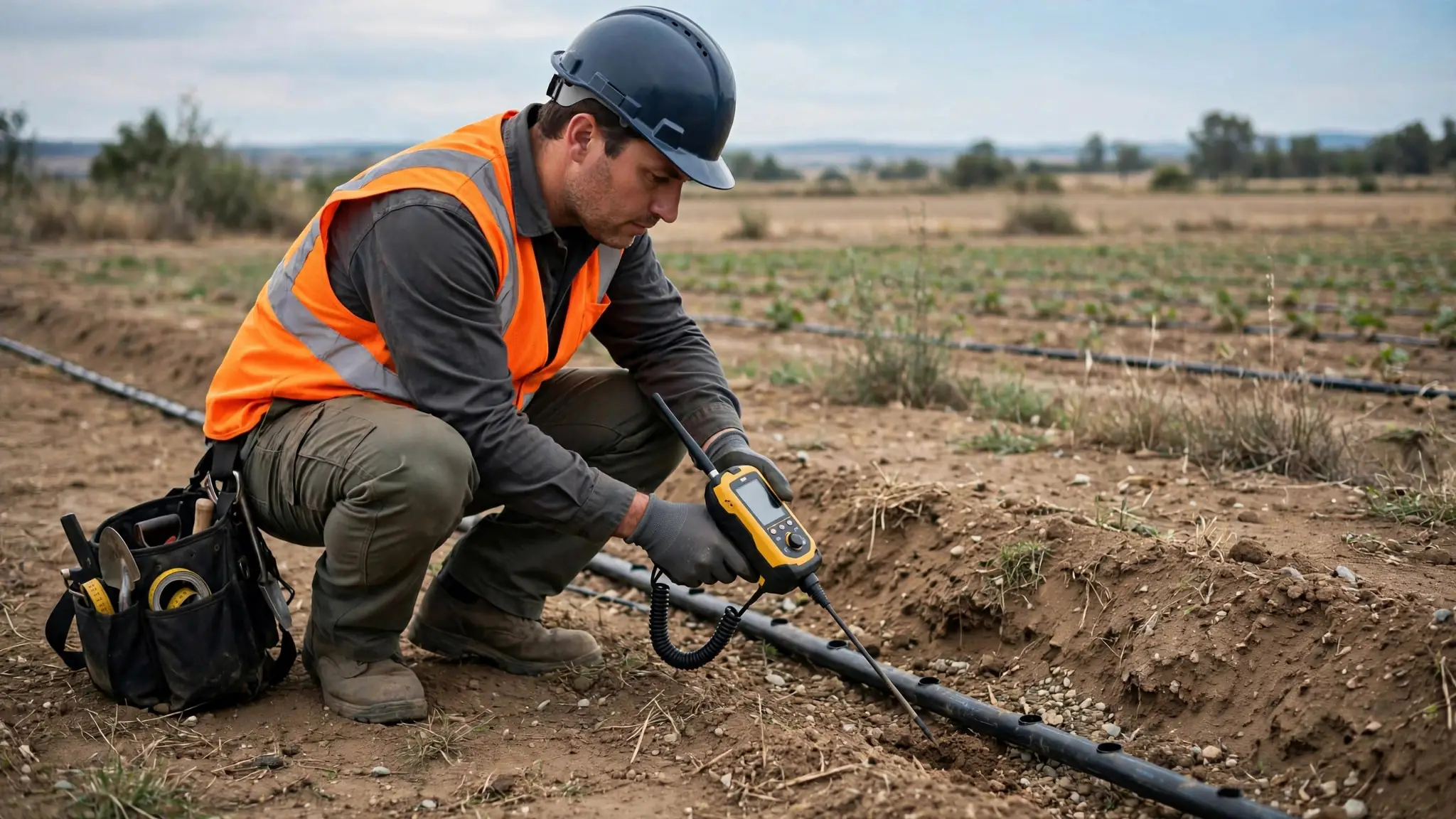
Zone isolation, pressure tests, and acoustic listening — how irrigation leaks get pinpointed without digging.
Read Article
Before you blame the water company, check these hidden leak sources that silently drive bills up month after month.
Read ArticleFind the zone fault and fix only what is broken. Call now for irrigation leak detection anywhere in Chelsea — 24/7.
Learn More
Helpful guides about this service — signs, methods, and what to expect.
Weak zones, geysers, and soggy spots — reading irrigation leak symptoms.
Read Article
Zone isolation, pressure testing, and acoustic methods for irrigation leaks.
Read Article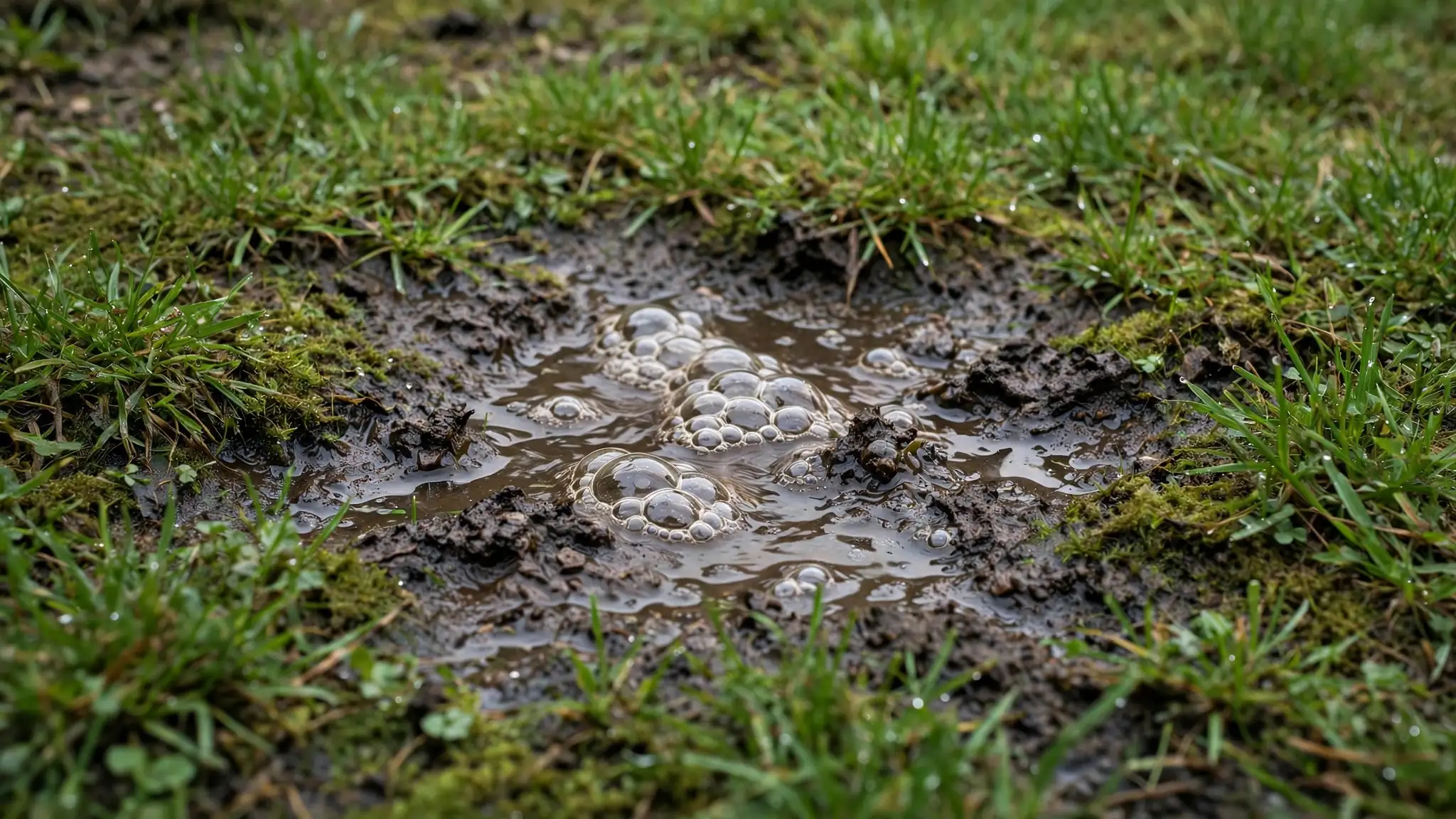
A single soggy patch in an otherwise dry yard usually marks the spot — what it means and what to do.
Read Article