
Slab Leak
Warm spots on floors, rising water bills, or the sound of running water under concrete all point to a slab leak. We trace it precisely so repairs open the smallest area.
Fast · Reliable · Non-Invasive
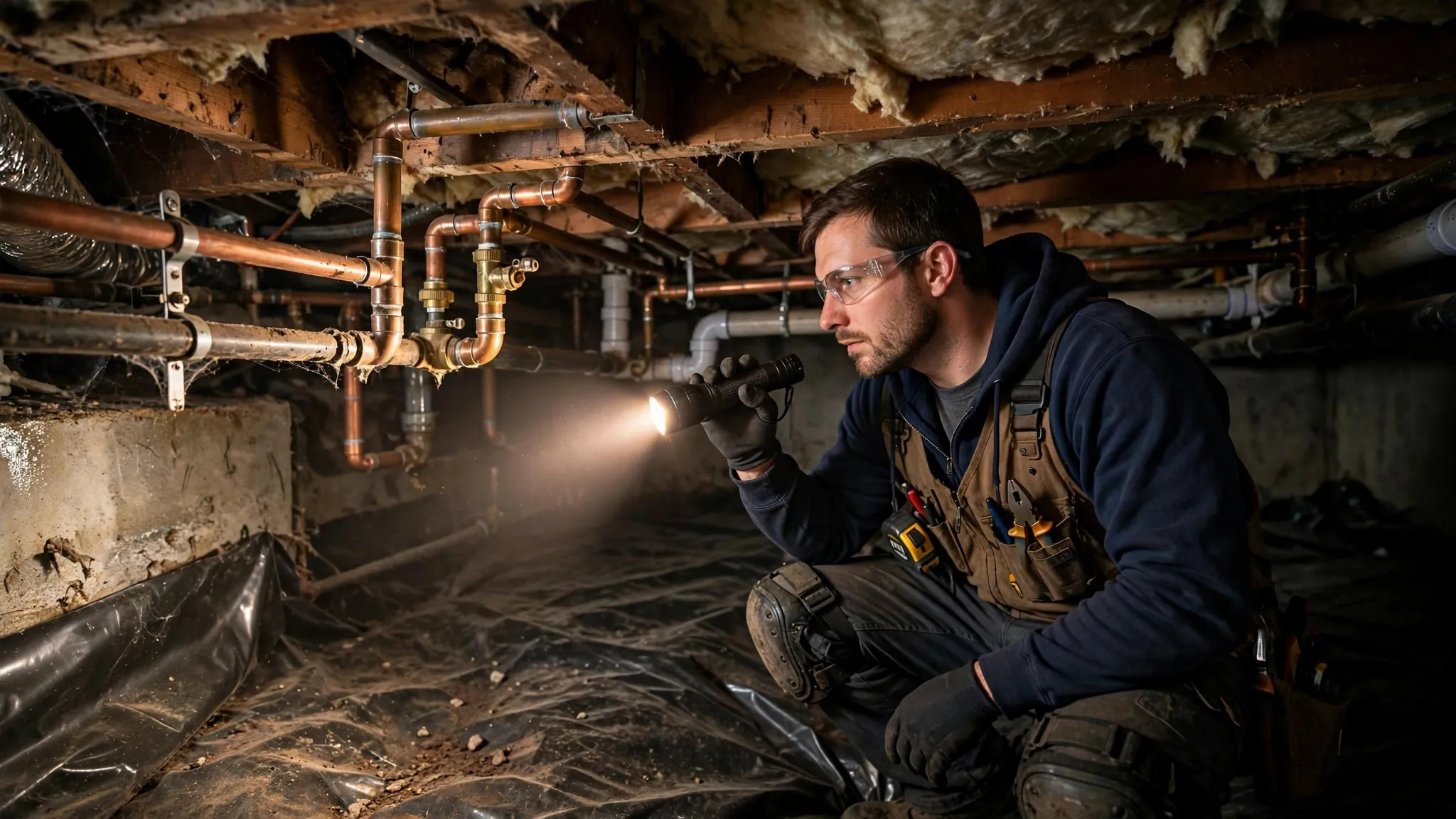
The space beneath your floors hides plumbing, and when it leaks, the first signs appear as smells, warped flooring, and dampness — never as visible water. We investigate crawlspaces and under-house areas with moisture mapping and targeted detection, finding the failed pipe or joint without tearing up a single floorboard unnecessarily.
Related Services
Under-house leaks connect to the systems around them. These services cover the related investigations.
Warm spots on floors, rising water bills, or the sound of running water under concrete all point to a slab leak. We trace it precisely so repairs open the smallest area.
Damp patches, bubbling paint, or a musty smell can hide a wall leak. We pinpoint the exact pipe or entry point behind drywall so repairs stay small and surgical.
Our core specialty: acoustic sensors, thermal imaging, and tracer gas find hidden leaks behind walls, under floors, and underground — accurately, non-invasively, in a single visit.
Damp insulation or drips in the attic after rain or snow need a fast trace. We find whether the source is roofing, flashing, or a pipe — then map it.
Warning Signs
Crawlspace leaks announce themselves through the floor above. Listen to what your home is telling you.
A persistent earthy or musty odor rising through floors means organic material is staying wet underneath. Crawlspace moisture feeds mold that announces itself by smell first.
Wood floors that cup, buckle, or feel spongy are absorbing moisture from below. The damage pattern often maps the wettest crawlspace area — and the leak's neighborhood.
Soft spots underfoot or dampness around floor penetrations (toilets, tubs, radiators) point to leaks in the pipes running beneath those exact fixtures.
Water pooling in the crawlspace after rain — or constantly — may be intrusion, plumbing, or both. We determine which, because each needs a different fix.
Crawlspace moisture evaporates upward, raising whole-house humidity and feeding condensation. If dehumidifiers cannot keep up, the source is below.
Chronic under-house moisture attracts pests and rots framing and sills. By the time rot is visible, the leak has been active far too long — investigate early.
Our Process
Under-house work demands care — tight spaces, no shortcuts, full documentation.
We assess crawlspace access, clearance, and conditions before entering — protective gear, lighting, and ventilation. Safe entry is non-negotiable in confined under-house spaces. We photograph access conditions for the report.
Inside, we map moisture across soil, framing, and subfloor with meters and thermal imaging. The wet pattern reveals whether the source is plumbing, intrusion, or condensation. Thermal imaging sees through the visual chaos of a crawlspace effectively.
We trace the under-house pipe runs — supplies, drains, and fixture connections — testing each with acoustic and pressure methods until the failed joint or section is identified. Fixture-by-fixture testing above correlates with findings below.
You get the leak's location relative to floor landmarks above ('under the hall bath'), photos, and moisture readings — everything your contractor needs without exploratory floor removal. Contractors consistently tell us the landmark references save them hours.
Why Choose Us
Crawlspace leaks are the leaks nobody wants to investigate — tight, dark, and unpleasant — which is exactly why they run for years. For 13 years we have gone where the leaks are across Chelsea: under post-war homes with aging copper, beneath renovated kitchens with new connections on old lines, and through the low clearances of older foundations. Our moisture mapping distinguishes plumbing leaks from groundwater intrusion and condensation — three problems that look identical from above but need completely different fixes. Crawlspaces are where leaks go to be forgotten — out of sight, unpleasant to enter, and easy to ignore until the framing rots. We go there so you do not have to, with the protective gear, lighting, and moisture-mapping instruments that turn a dreaded space into a readable diagnostic picture. The critical skill is distinguishing the three moisture authors — plumbing, groundwater, and condensation — because each demands a completely different remedy, and treating the wrong one wastes the repair budget entirely. Thirteen years under Chelsea homes has trained us to read those signatures correctly the first time.
Under-house tracing across Chelsea.
From 30 verified customer reviews.
We answer around the clock, every day.
No floors torn up to investigate.
Customer Feedback
Helpful Tips
Keep the space under your home dry and catch leaks early.
Once a year, shine a light into the crawlspace and look for standing water, new stains on framing, or musty smells. Annual checks catch leaks in year one instead of year five. A headlamp and a phone camera are all you need for the annual check.
Blocked or sealed crawlspace vents trap moisture. Keep vents clear and functional — airflow is the crawlspace's first defense against condensation and slow drying. Clear vents are the cheapest moisture control available.
Soil should slope away from the foundation so rain runs off instead of pooling underneath. Poor grading is the most common cause of non-plumbing crawlspace water. Regrading is labor, not materials — and it prevents the costliest water type.
Uninsulated supply lines in crawlspaces sweat in summer and freeze in winter. Pipe insulation is cheap protection against both condensation and burst damage. Sweating pipes in summer are as damaging as freezing ones in winter.
A dripping pipe joint in a crawlspace is easy to ignore and expensive to forget. Small under-house leaks run for years — fix them the week you find them. Under-house drips never improve on their own — only worsen.
A ground vapor barrier dramatically reduces crawlspace humidity from soil evaporation. It will not fix a plumbing leak, but it clarifies the picture by removing background moisture. Barriers also make future leak investigations cleaner and faster.
24/7 Emergency Service
Burst pipes or major leaks flooding a crawlspace need fast response — structural framing and subfloors are at stake. Our 24/7 emergency line covers all of Chelsea with 30–45 minute arrival.
We access the space safely, find the failed pipe, help shut the right valve, and document everything for the emergency repair. See our full emergency under-house leak service.
Call (617) 380-4912 NowService Areas
Under every Chelsea home type — we investigate crawlspaces and under-house areas in all neighborhoods within the 02150 ZIP.
FAQs
What Chelsea homeowners ask about leaks beneath their floors.
We enter the crawlspace with lighting and protective gear, map moisture across soil, framing, and subfloor with meters and thermal imaging, then trace the under-house pipe runs with acoustic and pressure testing. The leak is located relative to landmarks above — like 'beneath the hall bathroom' — so repairs open the right floor section.
Moisture patterns tell: plumbing leaks concentrate around pipe runs and fixtures with mineral staining; groundwater spreads broadly with soil saturation; condensation mists cold surfaces evenly. Our mapping distinguishes the three because each needs a different fix.
No — detection locates the leak from below, and the report pinpoints it relative to the floor above. Repairs open only the marked section instead of exploratory demolition.
Musty odors mean organic material — wood, insulation, soil — is staying wet. The cause could be a plumbing leak, groundwater intrusion, or poor ventilation. Investigation identifies which so the right remedy is applied.
Yes. Chronic moisture rots framing and sills, warps flooring, feeds mold, and attracts pests. Structural wood damage from long-term leaks is far more expensive than the leak repair itself.
We assess access and clearance on every visit and carry the protective gear and lighting for confined spaces. If a space is genuinely inaccessible, we use alternative methods — thermal imaging from above and pipe testing — and tell you honestly what we can and cannot reach.
Most investigations take two to three hours including access, mapping, tracing, and reporting. Complex or very low-clearance spaces can take longer.
Yes — our emergency line is answered around the clock with 30–45 minute arrival anywhere in Chelsea. Call (617) 380-4912 any time.
Encapsulation dramatically reduces moisture from soil evaporation and improves air quality — but it must come after any plumbing leaks are found and fixed, not instead of investigation. Encapsulating over an active leak hides it while damage continues. Detect first, encapsulate second.
It depends on the source: sudden plumbing leaks are often covered, while groundwater seepage and long-term neglect typically are not. Our report documents the moisture source with readings and photos — exactly the evidence adjusters need to determine coverage.
From The Blog
Moisture mysteries below the floor — explained.
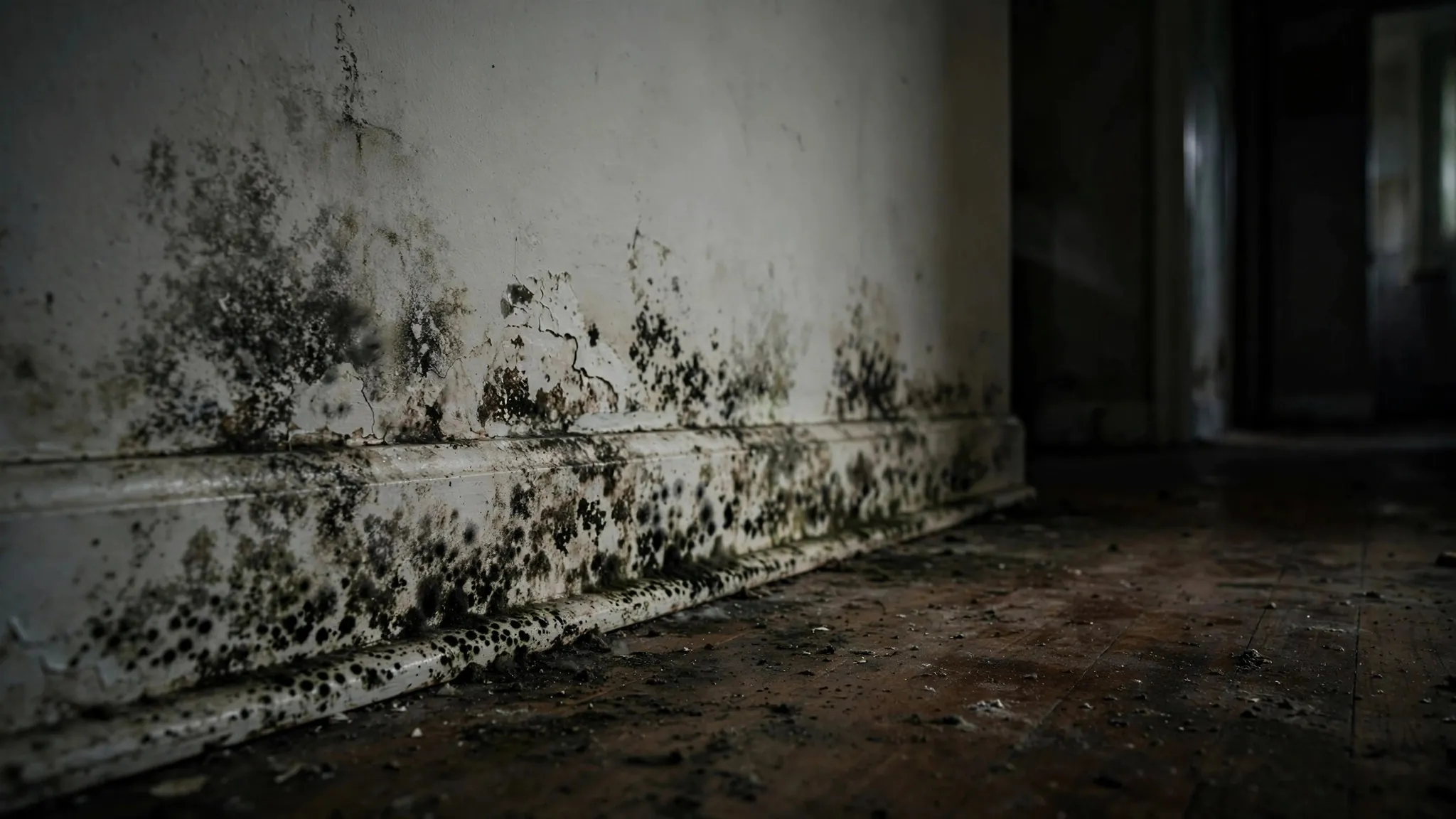
A moldy smell with no visible water means moisture is hiding somewhere. Learn the likely sources and next steps.
Read Article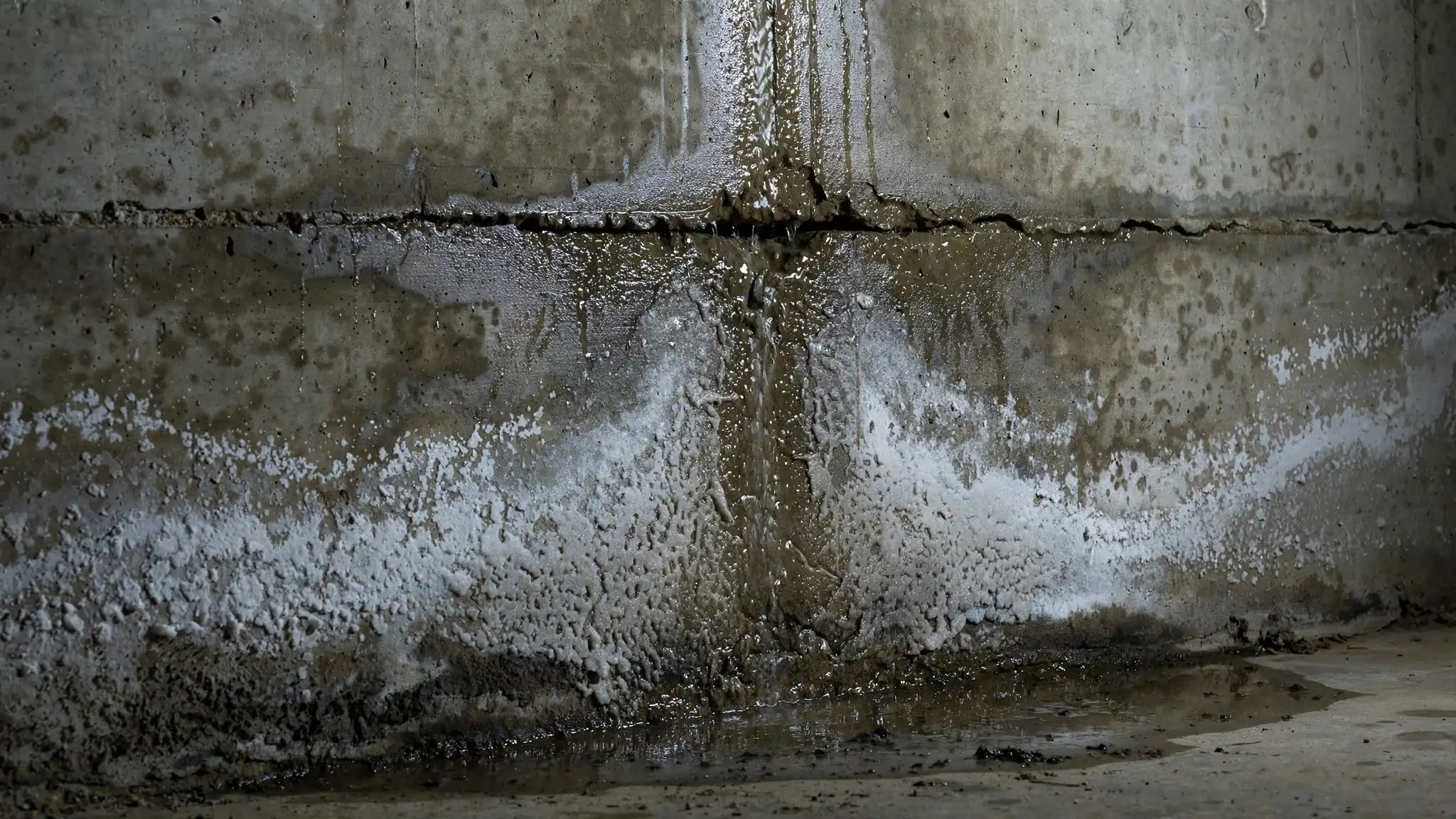
Spring thaw pushes groundwater toward foundations. Watch for these basement moisture and foundation leak signs.
Read Article
From the first phone call to the written report — exactly what happens during a professional leak detection visit.
Read ArticleFind out without tearing them up. Call now for under-house leak detection anywhere in Chelsea — 24/7 emergency response.
Learn More
Helpful guides about this service — signs, methods, and what to expect.

Phantom running-water sounds and what they reveal about hidden pressurized leaks.
Read Article
Musty odors without visible water usually mean a hidden leak feeding mold — how specialists track it.
Read Article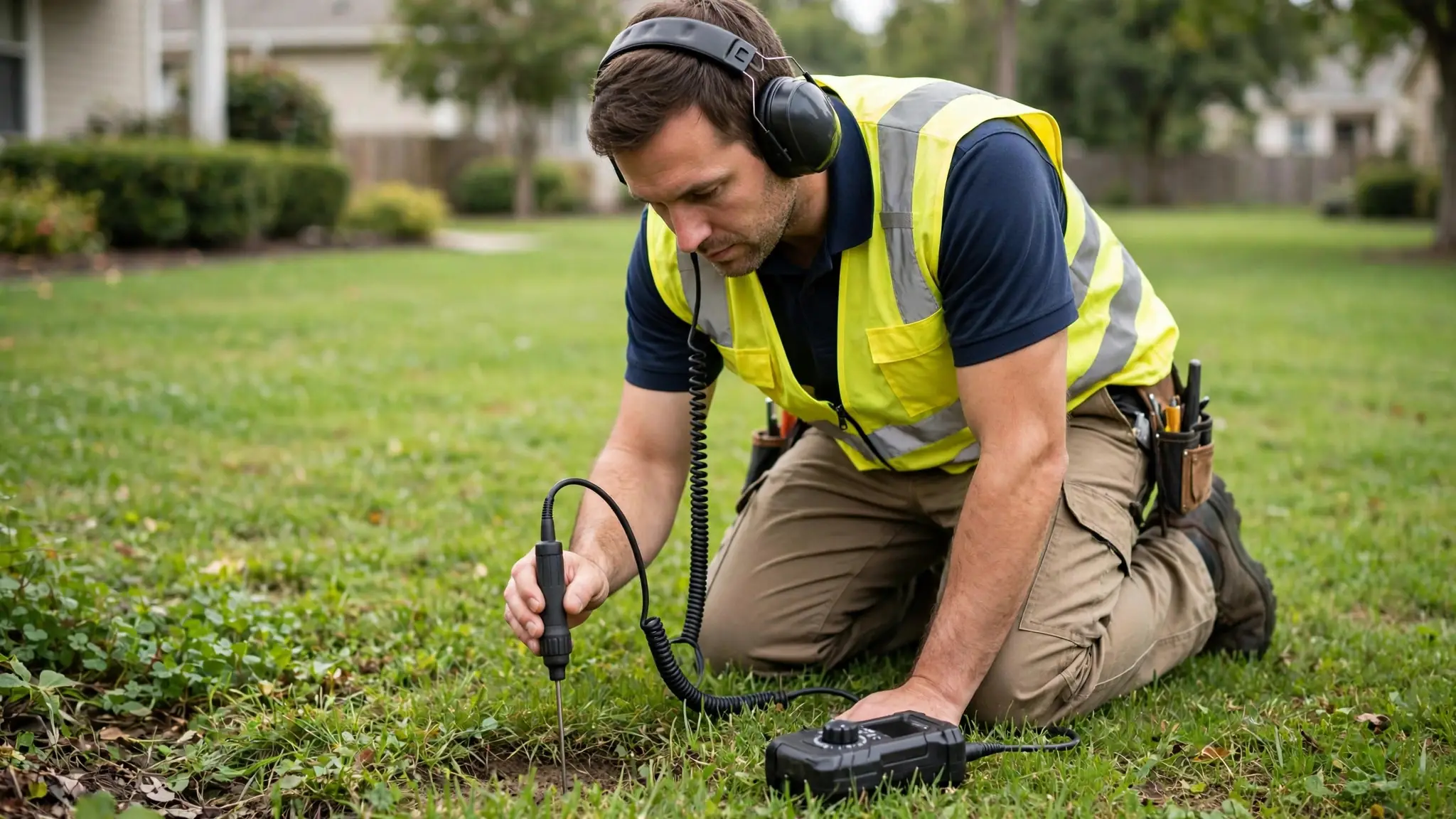
Acoustic surveying, line tracing, tracer gas, and moisture mapping — the no-dig toolkit for buried leaks.
Read Article