
Ceiling Leak
A ceiling stain that grows, drips, or darkens needs fast answers. We trace ceiling leaks to the true source — roof, pipe, or fixture — before damage spreads.
Fast · Reliable · Non-Invasive
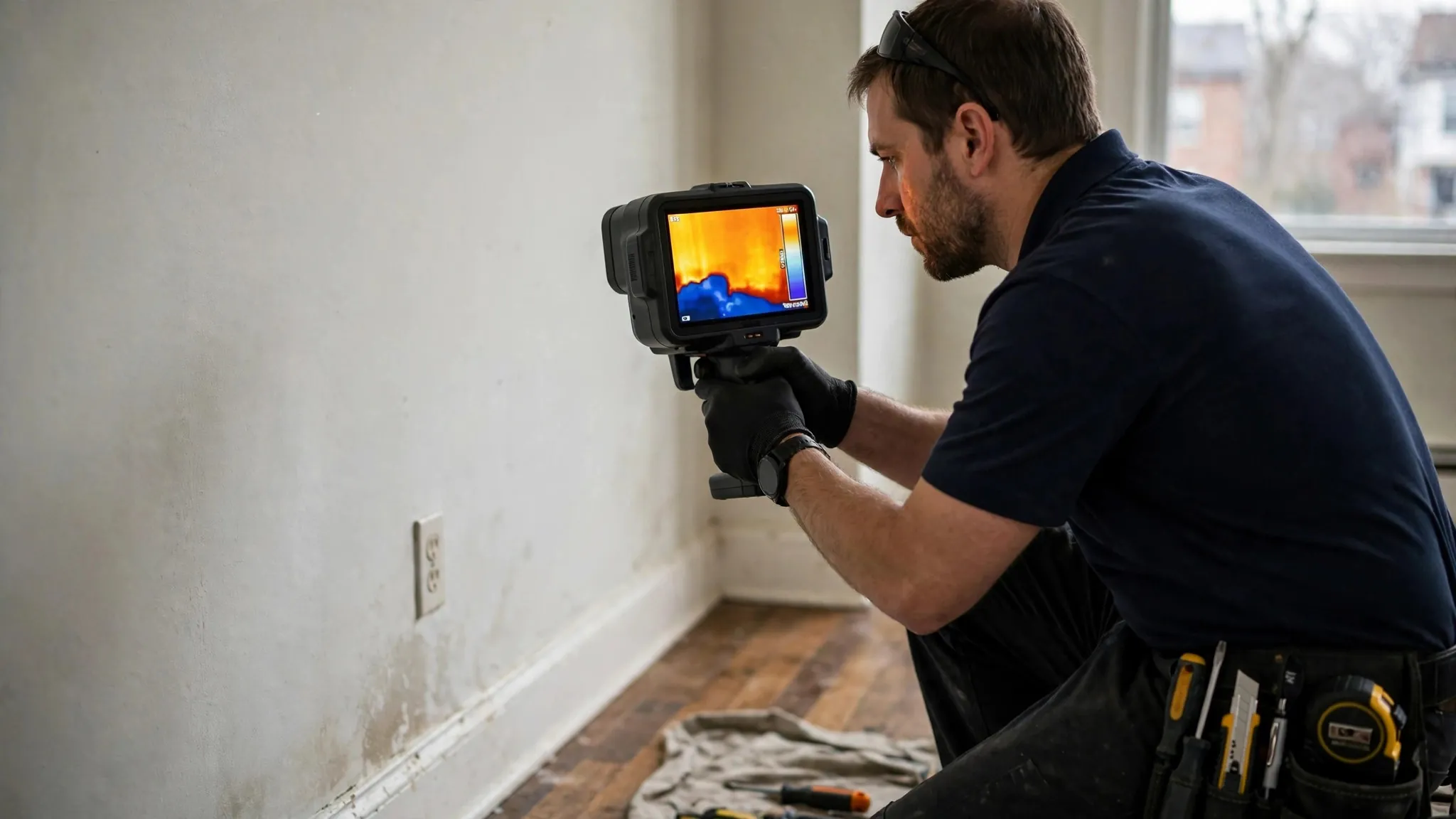
Water inside a wall cavity damages framing, insulation, and finishes long before it shows on the surface. We find wall leaks with thermal cameras that see temperature differences through drywall and acoustic sensors that hear pressurized water behind it — marking the exact stud bay so repairs open one small section, not the whole wall.
Related Services
Wall leaks have a few common sources. These related services cover each one.
A ceiling stain that grows, drips, or darkens needs fast answers. We trace ceiling leaks to the true source — roof, pipe, or fixture — before damage spreads.
Our core specialty: acoustic sensors, thermal imaging, and tracer gas find hidden leaks behind walls, under floors, and underground — accurately, non-invasively, in a single visit.
Damp insulation or drips in the attic after rain or snow need a fast trace. We find whether the source is roofing, flashing, or a pipe — then map it.
Warm spots on floors, rising water bills, or the sound of running water under concrete all point to a slab leak. We trace it precisely so repairs open the smallest area.
Warning Signs
Walls hide leaks well — until they cannot. These are the early warnings worth acting on.
A discolored patch that grows, darkens, or feels cool to the touch means water is active inside the cavity. Stains that never fully dry are leaks, not history.
Moisture behind paint breaks its bond with drywall, causing bubbles, flakes, and peeling. The damage spreads outward from the wettest point — near the leak.
A persistent musty odor with no visible cause means organic material is staying wet inside the wall. Mold and mildew feed on exactly this hidden moisture.
A faint hiss or flowing sound from inside a wall, with fixtures off, is pressurized water escaping a supply line. Acoustic detection turns that whisper into a location.
Baseboards that swell, warp, or pull away from the wall are wicking moisture from inside the cavity. By the time trim shows it, the leak has been active a while.
A wall section that feels noticeably warmer or cooler than surrounding areas often marks a hot-line leak or active evaporation. Thermal imaging makes these spots visible instantly.
Our Process
Walls deserve precision — every unnecessary opening means drywall, paint, and texture repair.
We scan the suspect wall with non-invasive moisture meters and thermal imaging, mapping the full extent of wetness. The moisture pattern itself points toward the source — leaks spread predictably from their origin. The scan takes minutes per wall and harms nothing.
Using the moisture map plus the plumbing layout, we narrow the source: supply line, drain, or exterior intrusion. Acoustic listening confirms pressurized leaks by their sound signature. Plumbing layouts from building age and type guide the triangulation.
We mark the specific stud bay and height where the leak originates — not just 'somewhere in this wall.' Your contractor opens one surgical section instead of exploratory holes. We photograph the mark with a tape measure for scale.
Thermal images, moisture readings, and the marked location go into your written report. It guides the repair and supports any insurance claim for the resulting damage. Insurers particularly value the thermal images as claim evidence.
Why Choose Us
Wall leaks are the leaks most often 'repaired' three times — because the visible damage gets patched while the hidden source keeps feeding it. Our 13 years of Chelsea detection work have mapped the usual suspects in local construction: aging supply lines in plaster-and-lath walls, failed shower valves in tiled bathrooms, and ice-dam intrusion in exterior walls. Thermal imaging sees what eyes cannot, acoustic sensors hear what ears miss, and our marked stud-bay location ends the cycle of repeat repairs. Walls are where the 'repair the stain' trap does the most damage — we have seen the same wall opened three times by three contractors, each fixing the visible damage while the hidden source kept feeding it. Our moisture mapping breaks that cycle by revealing the full wet pattern, which points upstream to the origin regardless of where the stain sits. In Chelsea's housing mix, that means reading plaster-and-lath walls in century-old buildings differently from modern drywall, and knowing which era's plumbing hides behind each. Thirteen years of local walls has built that literacy, and our stud-bay marks reflect it.
Wall leak tracing in Chelsea homes.
From 30 verified customer reviews.
We answer around the clock, every day.
One surgical opening — never guesswork.
Customer Feedback
Helpful Tips
How to handle a suspect wall without making things worse.
Paint over a damp patch and the stain bleeds back within weeks — because the water is still coming. Treat recurring stains as active leaks until proven otherwise. Bleed-through within weeks is near-certain proof of an active leak.
Run your hand across the suspect area. A distinctly warm or cool patch versus surrounding wall is meaningful data — note its boundaries for the technician. Sketch the patch boundaries — expansion over days confirms activity.
A stain on the living room wall may originate from the bathroom on the other side. Always inspect the reverse side of a wet wall — the source is often one room away. Plumbing often runs in the wall you least suspect; check all adjacents.
Run a dehumidifier near the affected wall while awaiting detection. It will not fix the leak, but it slows mold growth and secondary damage. Mold needs 48–72 hours of moisture; dehumidification buys you time.
Caulking over a wet area traps moisture inside the cavity, accelerating rot and mold. Leave suspect areas open to air until the source is found and fixed. Trapped moisture rots framing silently — ventilation matters.
Photograph stains with a ruler for scale, dated. Insurers distinguish sudden leaks (usually covered) from long-term seepage — dated photos establish your timeline. Insurers ask for timelines; your dated photos provide them.
24/7 Emergency Service
Active water intrusion through a wall — streaming, spraying, or rapidly spreading — is an emergency. Our 24/7 line covers all of Chelsea with 30–45 minute arrival and full detection gear.
We find the source fast, help shut the right valve, and mark the exact bay so emergency repairs open one section — not the whole wall. See our full emergency wall leak service.
Call (617) 380-4912 NowService Areas
From century-old plaster walls to modern drywall, we pinpoint wall leaks in every Chelsea neighborhood — all within the 02150 ZIP.
FAQs
What Chelsea homeowners ask about leaks hidden inside walls.
Thermal imaging cameras detect the temperature difference that wet insulation and drywall create, revealing the moisture pattern through the surface. Acoustic sensors hear pressurized supply leaks inside the cavity. Together they locate the source — usually to a specific stud bay — with zero demolition.
Failed supply line connections, pinhole corrosion in copper, leaking shower valves and drain assemblies, and exterior water intrusion around windows or flashing. Our detection identifies which source you have, because each needs a different repair.
Not always — it means something is staying wet, which could be a plumbing leak, exterior intrusion, or condensation. Moisture mapping determines whether the wetness is active and where it originates.
Only if the moisture source remains. That is why pinpointing matters: once the true source is fixed and the cavity dries, mold loses its food supply. We recommend verifying dryness with moisture readings after repair.
Most single-wall investigations take one to two hours, including moisture mapping, thermal scanning, and the written report. Multi-room or multi-source cases take longer, which we will explain upfront.
Yes. Thermal imaging and acoustic methods work through plaster and lath as well as drywall. Many of Chelsea's older homes have plaster walls, and we detect leaks in them regularly.
If water is visibly spraying from a known pipe, call a plumber. If you have stains, smells, or sounds with no visible source, detection first prevents paying for exploratory wall openings that miss the leak.
Yes. Our emergency line is answered around the clock and we arrive anywhere in Chelsea in 30–45 minutes. Call (617) 380-4912 any time.
Usually yes. Once the leak is pinpointed to a single stud bay, the repair involves one surgical opening, pipe repair, and drywall patching — typically completed in a day with the water off only briefly. Your detection report lets the contractor schedule precisely.
From The Blog
Understand wall moisture, detection methods, and what musty smells really mean.
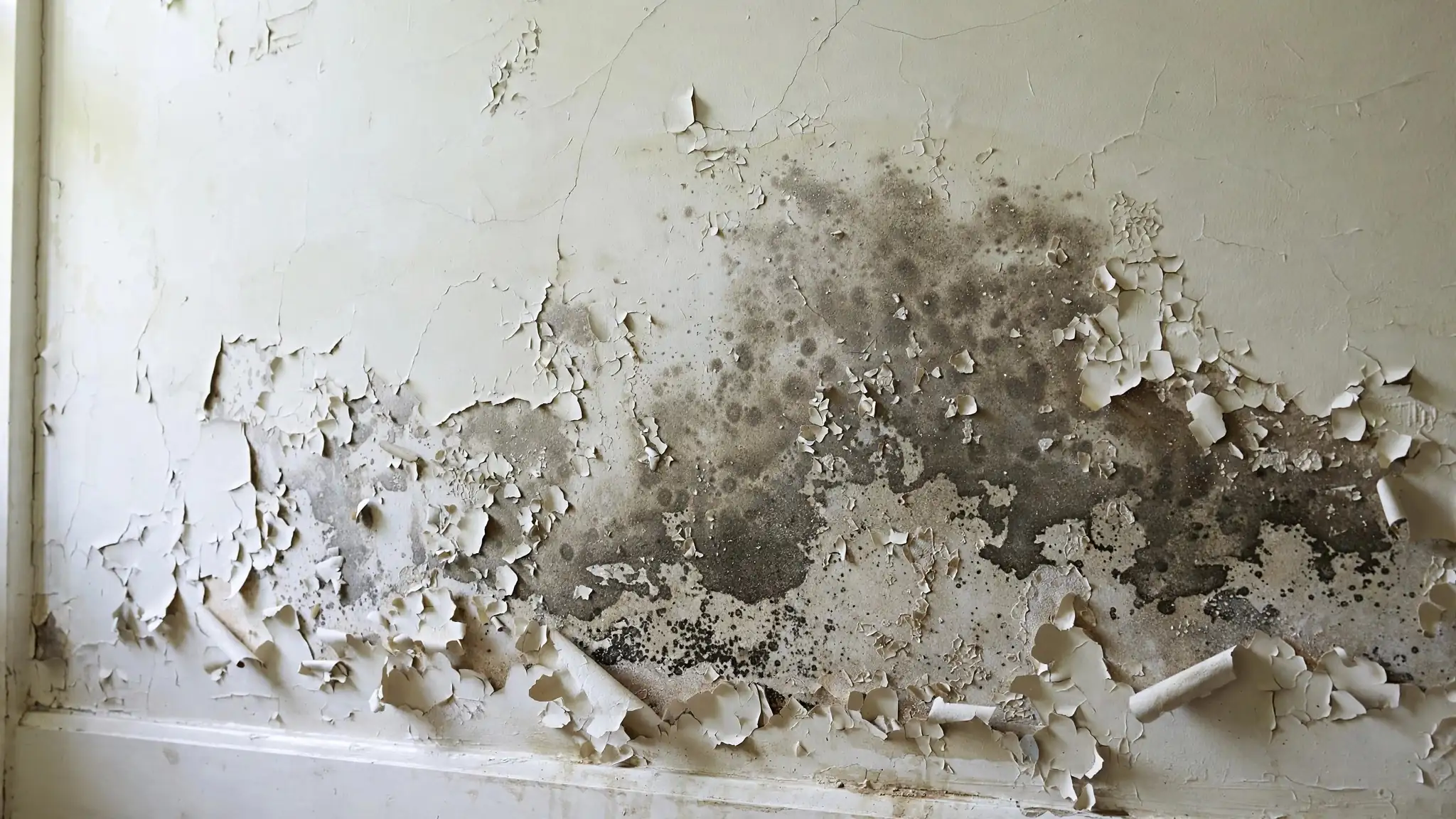
A damp patch on the wall can come from plumbing, roofing, or condensation. Learn how to narrow it down fast.
Read Article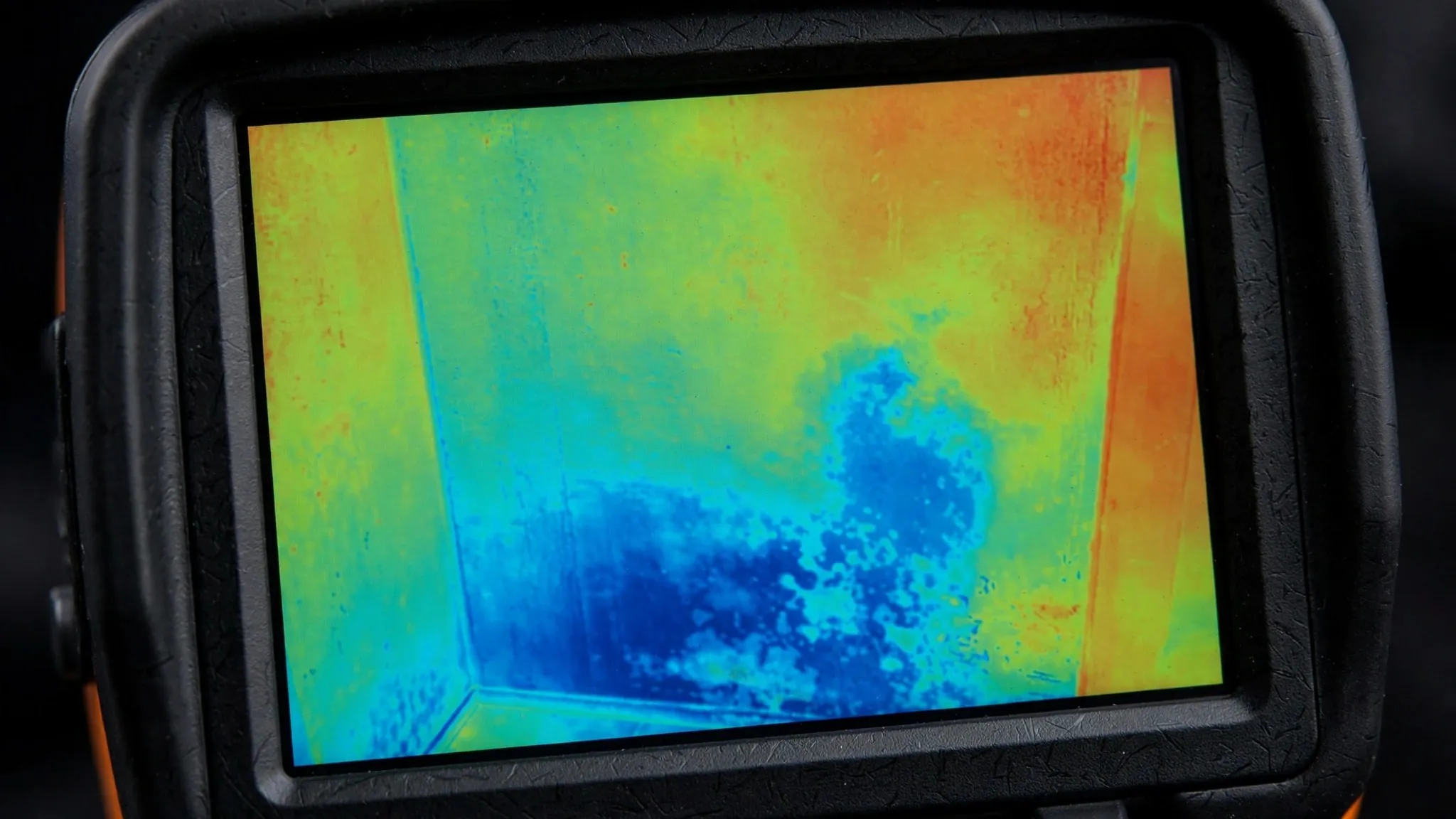
Moisture meters, thermal cameras, and acoustic sensors — how wall leaks get found without opening drywall.
Read Article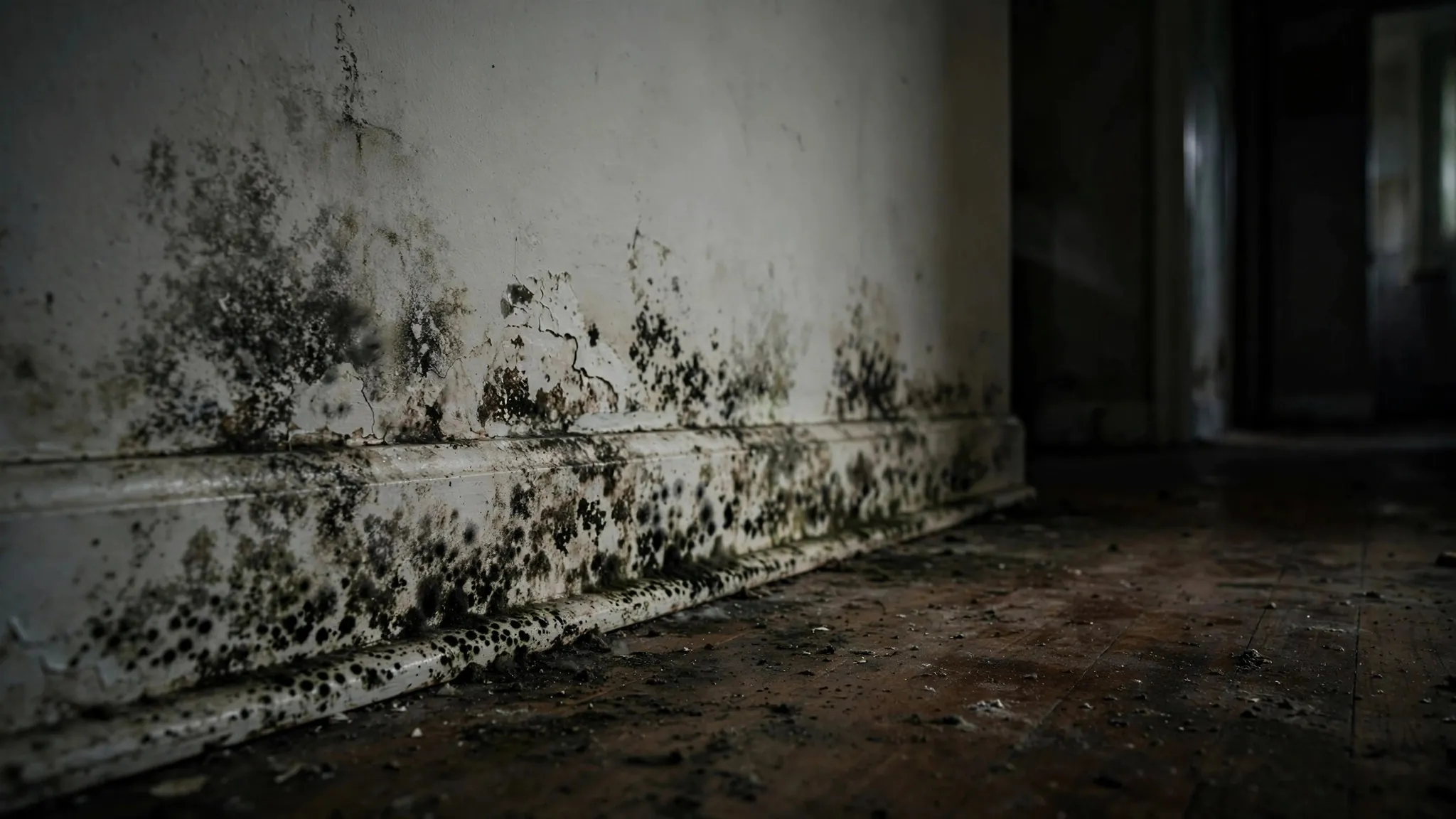
A moldy smell with no visible water means moisture is hiding somewhere. Learn the likely sources and next steps.
Read ArticleStop patching the symptom. Call now for wall leak detection anywhere in Chelsea — marked to the stud bay, 24/7.
Learn More
Helpful guides about this service — signs, methods, and what to expect.
Pipe joints, shower leaks, or exterior intrusion — diagnosing a damp wall patch.
Read Article
Acoustic and thermal methods that pinpoint wall leaks through drywall.
Read Article
Musty odors without visible water usually mean a hidden leak feeding mold — how specialists track it.
Read Article