
Spa Leak
A spa that needs constant refilling has a leak at a jet, seal, heater, or shell. We pinpoint hot tub leaks fast — including equipment-pad plumbing.
Fast · Reliable · Non-Invasive
A pool that needs constant refilling is losing water somewhere — through the shell, the plumbing, or the equipment — and guessing which wastes chemicals, water, and entire summers. We confirm pool leaks with the bucket test, then isolate shell from plumbing with pressure testing and pinpoint the exact failure, so your repair fixes it the first time.
Related Services
Pool leaks involve structures, plumbing, and equipment. These services cover the related investigations.
A spa that needs constant refilling has a leak at a jet, seal, heater, or shell. We pinpoint hot tub leaks fast — including equipment-pad plumbing.
Weak sprinkler zones, geysers, or a soggy lawn waste water and money. We pinpoint irrigation line and valve leaks so repairs target the exact spot.
Our core specialty: acoustic sensors, thermal imaging, and tracer gas find hidden leaks behind walls, under floors, and underground — accurately, non-invasively, in a single visit.
Water bill suddenly high with no visible leak? We check the meter, the service line, and your home to find the hidden loss — then show you exactly where it is.
Warning Signs
Pools lose some water to evaporation — but real leaks have their own signature. Know the difference.
Normal evaporation is about a quarter inch per day or less in summer. Consistently losing more — especially in cool weather — means a leak, not the sun.
Adding water more than once a week to maintain level is the classic pool leak complaint. The autofill running constantly is the same symptom, automated.
Persistently wet soil, pavers, or deck areas around the pool suggest plumbing leaks underground — returns, skimmer lines, or main drains seeping into the soil.
Visible cracks in the plaster, tile, or coping — especially with water loss — are direct leak paths. Even hairline structural cracks leak measurably under pressure.
Air bubbles in the pump strainer or weak suction often mean a suction-side plumbing leak is drawing air — and losing water — underground.
Constantly fighting chemistry despite correct dosing can mean fresh fill water is diluting the pool continuously — a hidden leak's chemical fingerprint.
Our Process
From confirmation to pinpoint — no draining the pool to find the answer.
We start with the industry-standard bucket test: a filled bucket on the pool steps, marked levels inside and out over 24 hours. If the pool drops faster than the bucket, the leak is confirmed — not evaporation. We record weather conditions since evaporation rates vary.
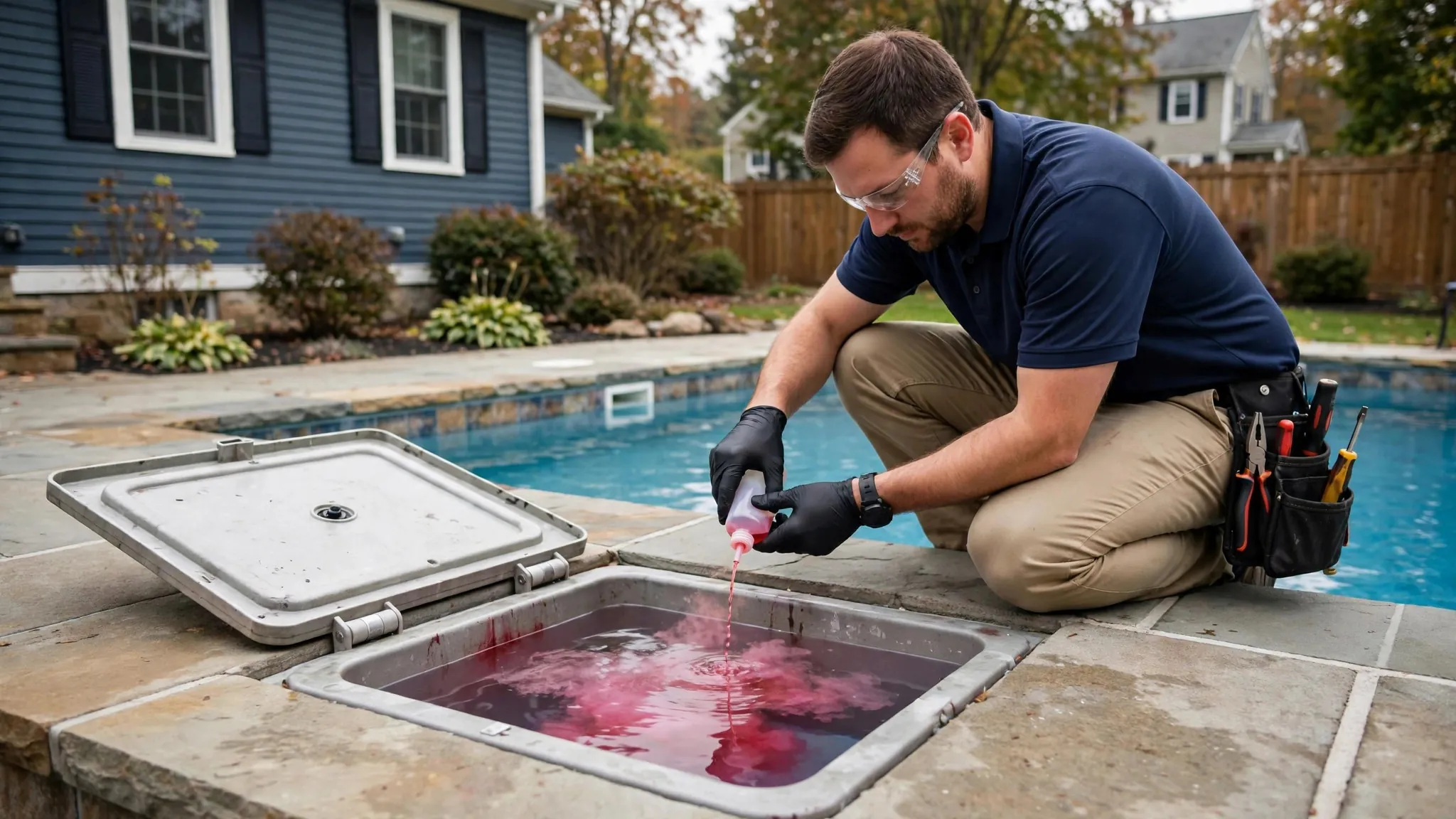
With the system running, we dye-test every penetration — skimmers, returns, lights, drains — watching for dye being drawn into cracks or failed seals. Most shell leaks reveal themselves here. Cracks as fine as a hair can leak measurably under pool pressure.
If the shell holds, each underground plumbing line gets isolated and pressure-tested. A line that will not hold pressure has a break; acoustic listening pinpoints it beneath the deck. Each line's test result is documented pass or fail.
You get the exact leak location — shell crack, fitting, or underground line — with photos and a repair roadmap. No draining, no jackhammering on hunches. The repair plan distinguishes DIY-fixable from professional work.
Why Choose Us
Pool leaks defeat generalists because pools are three systems in one — vessel, plumbing, and equipment — and the water loss could come from any of them. For 13 years we have found Chelsea's pool leaks through every season: winter freeze damage to plumbing, aging skimmer throats, and equipment-pad failures. Our method isolates each system in turn, so the answer is proven rather than guessed — and your repair budget goes to the real failure, not to exploratory work. Pools defeat guesswork because they are three systems wearing one body of water — the shell, the underground plumbing, and the equipment pad — and each leaks differently. Our isolation sequence tests them in turn so the answer is proven: dye testing for shell penetrations, pressure testing for buried lines, operational inspection for equipment. Thirteen years of Chelsea pools, through freeze-damaged plumbing seasons and aging equipment eras, has taught us each failure's fingerprint. The repair that follows our report fixes the actual failure — not the most accessible guess.
Pool leak tracing across Chelsea.
From 30 verified customer reviews.
We answer around the clock, every day.
No draining to find the leak.
Customer Feedback
Helpful Tips
Keep the water where it belongs — in the pool.
Fill a bucket, set it on the steps, mark water levels inside and outside. After 24 hours with the pump running normally, compare — the pool dropping faster proves a leak. Run the test with the pump on its normal schedule for valid results.
Inspect the pump, filter, heater, and visible plumbing for drips while running. Equipment-pad leaks are the easiest to find and fix — look here before suspecting the shell. Equipment leaks often announce themselves as puddles — look down first.
The skimmer-to-shell joint is the most common pool leak location. Look for gaps, cracks, or separation in the throat — dye testing confirms it in minutes. Skimmer throats deserve a close look every season.
Running the water level low exposes the shell to sun damage and strains the pump. Keep the pool filled while arranging detection — low water creates new problems. Low water damages more than it saves — keep it filled.
Blow out plumbing lines before Chelsea's freezes. Freeze expansion cracks underground pool plumbing more surely than almost anything else — prevention beats detection. Freeze-cracked pool plumbing is a springtime epidemic — winterize fully.
Rising chemical usage with no other change often signals dilution from a leak. Your chemical log is an early warning system — read it. Chemical logs that trend upward are telling you something — listen.
24/7 Emergency Service
Rapid pool water loss — inches per day — or equipment flooding needs quick diagnosis to prevent structural and equipment damage. Our 24/7 line covers all of Chelsea with 30–45 minute arrival.
We confirm the loss rate, isolate the failing system, and pinpoint the leak so emergency repairs protect the shell and equipment. See our full emergency pool leak service.
Call (617) 380-4912 NowService Areas
Residential pools across every Chelsea neighborhood — shell, plumbing, and equipment diagnostics within the 02150 ZIP.
FAQs
What Chelsea pool owners ask about water loss.
Run the bucket test: place a bucket filled with pool water on the steps, mark the levels inside and outside, and compare after 24 hours of normal pump operation. If the pool level drops faster than the bucket's, water is escaping through a leak, not evaporating.
Skimmer throats, return fittings, light niches, and main drains — the penetrations through the shell — are the most common leak points. Underground plumbing breaks and equipment-pad failures come next. Our dye testing checks every penetration systematically.
Yes. We isolate and pressure-test each underground line; a line that will not hold pressure has a break. Acoustic listening then pinpoints the break beneath the deck or yard without exploratory digging.
No. Our methods — dye testing, pressure testing, acoustic listening — all work with the pool full. Draining is unnecessary for detection and risks shell damage.
Even a small shell or plumbing leak can waste hundreds of gallons per day — thousands per month — plus the chemicals and heat in that water. Fast detection pays for itself in water and chemical savings.
Absolutely — it is one of the leading causes. Water left in plumbing lines expands when frozen and cracks pipes, fittings, and equipment. Proper winterization each fall is the best prevention.
Equipment-pad leaks — pumps, filters, heaters, chlorinators — are common and usually visible as drips or puddles at the pad. We inspect all equipment first because these are the simplest leaks to confirm and fix.
Yes — our line is answered around the clock with 30–45 minute arrival anywhere in Chelsea. Call (617) 380-4912 any time.
Blow out all plumbing lines with compressed air before the first hard freeze, drain equipment to manufacturer specs, and use proper winter covers. Freeze expansion is the most destructive force in pool plumbing — a thorough winterization takes hours and prevents thousands in spring repairs.
It can — chronic underground pool plumbing leaks saturate surrounding soil, and expansive or eroding soil affects nearby structures. Soggy ground between the pool and the house deserves investigation for both the pool's sake and the foundation's.
From The Blog
Bucket tests, common leak spots, and freeze protection for pool owners.
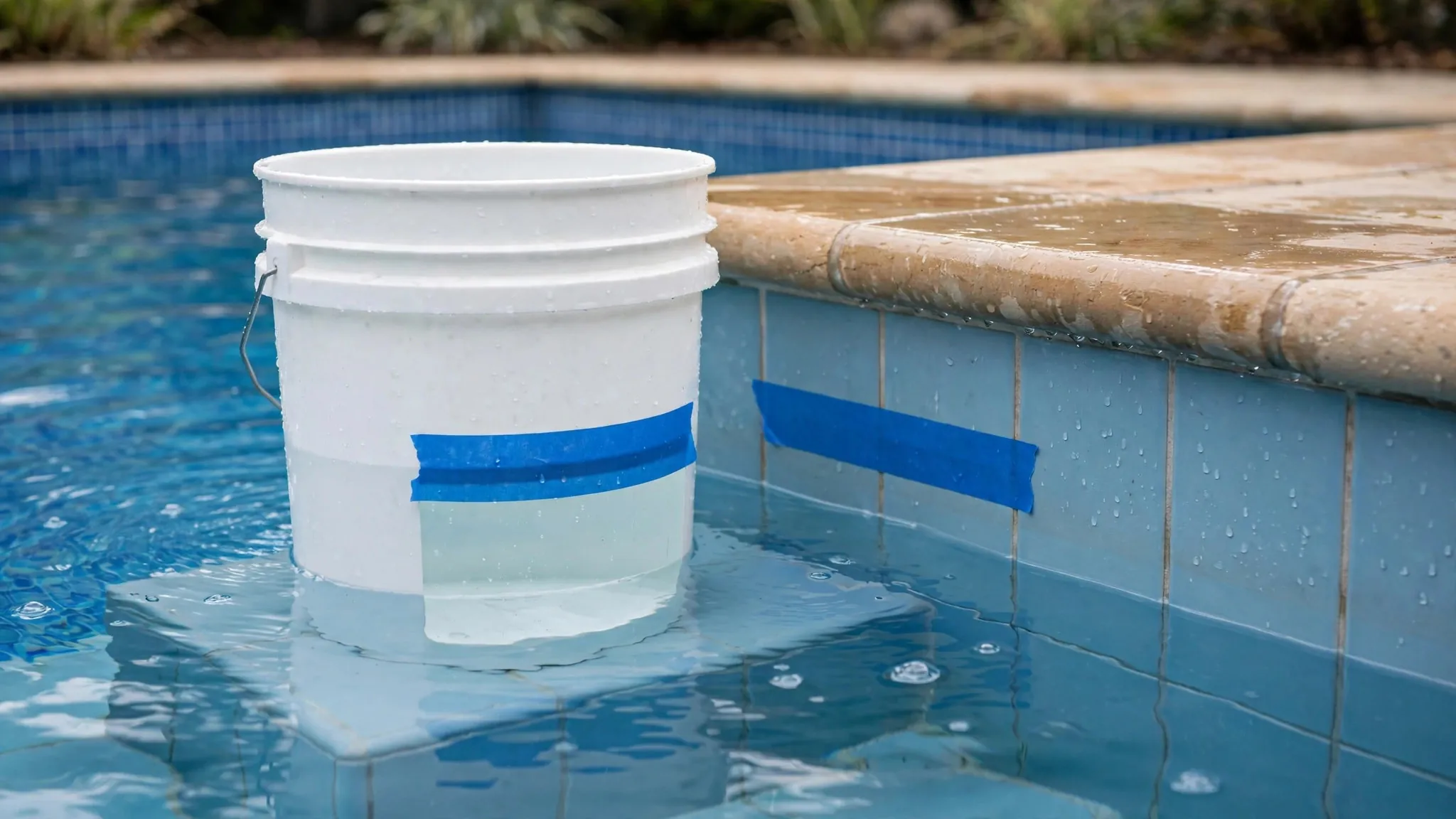
The bucket test settles it: evaporation or real leak? Learn the simple 24-hour test pool owners use.
Read Article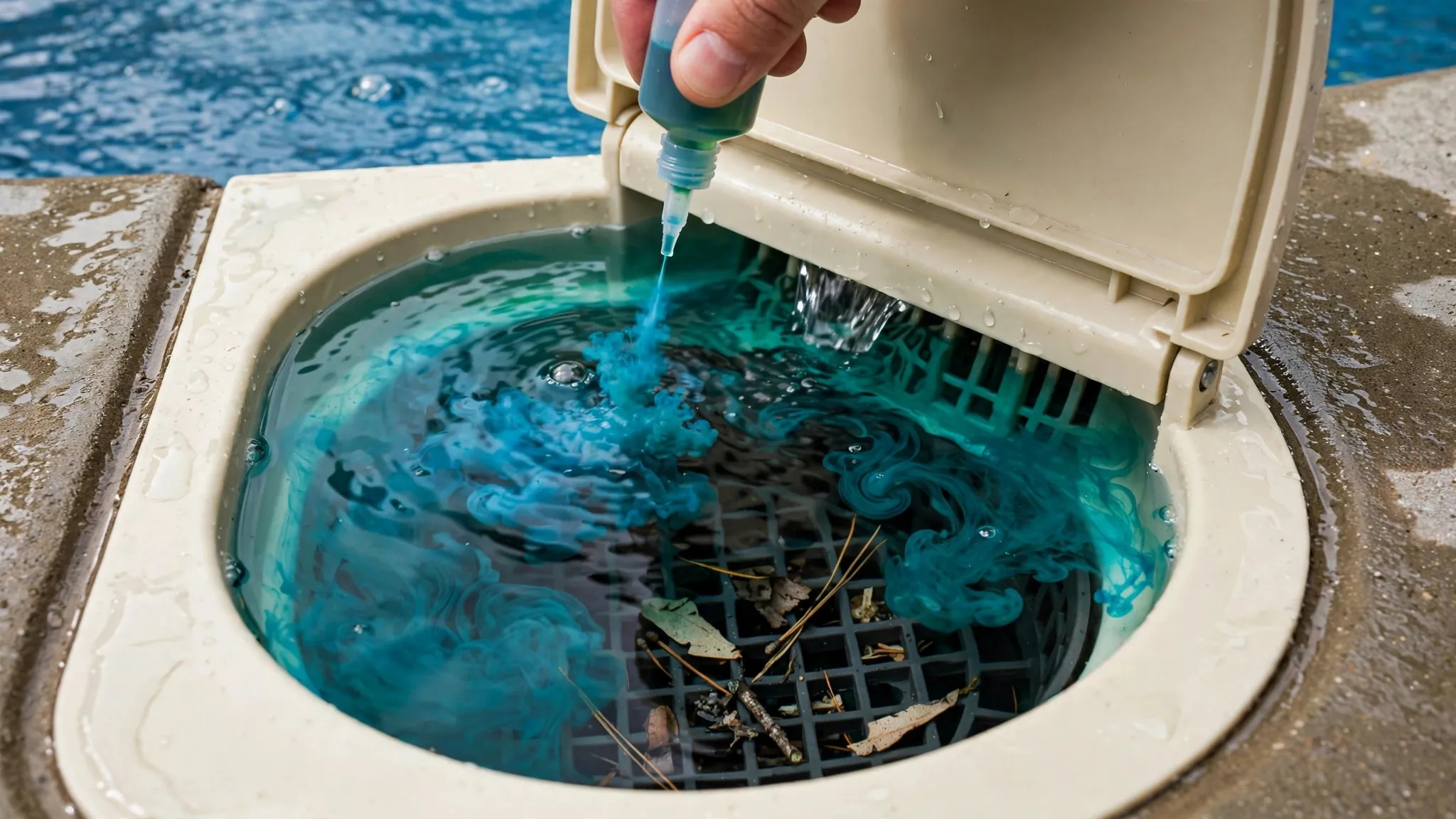
Skimmers, returns, lights, and shell cracks — the most common places pools lose water, and how each gets tested.
Read Article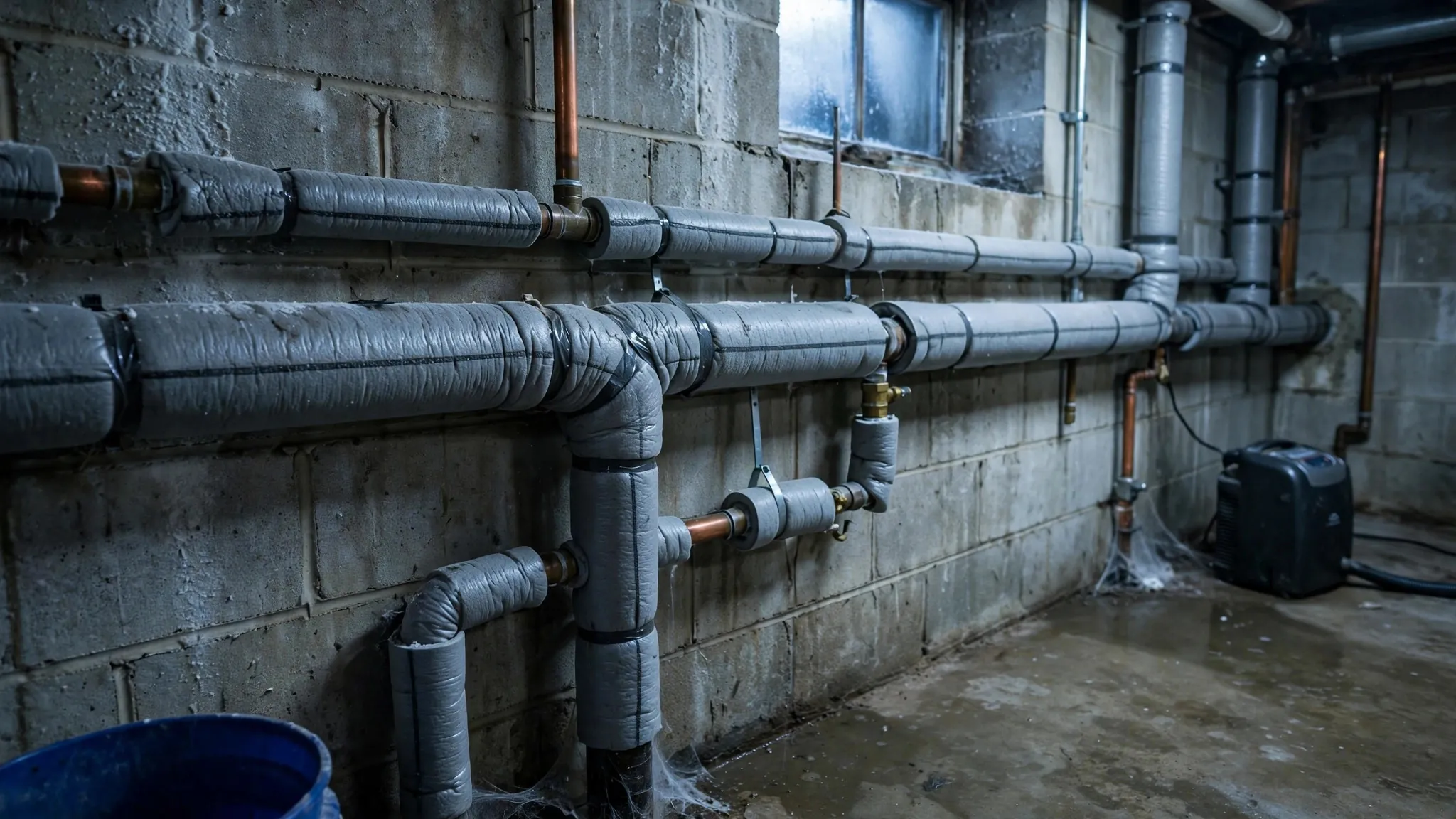
Chelsea winters burst pipes. A practical checklist to protect supply lines, hose bibs, and crawlspaces before the freeze.
Read ArticleFind the leak, fix it once, enjoy the pool. Call now for pool leak detection anywhere in Chelsea — 24/7.
Learn More
Helpful guides about this service — signs, methods, and what to expect.
The 24-hour bucket test that separates evaporation from a real pool leak.
Read Article
Skimmers, main drains, lights, and plumbing — where pools leak and how each gets found.
Read Article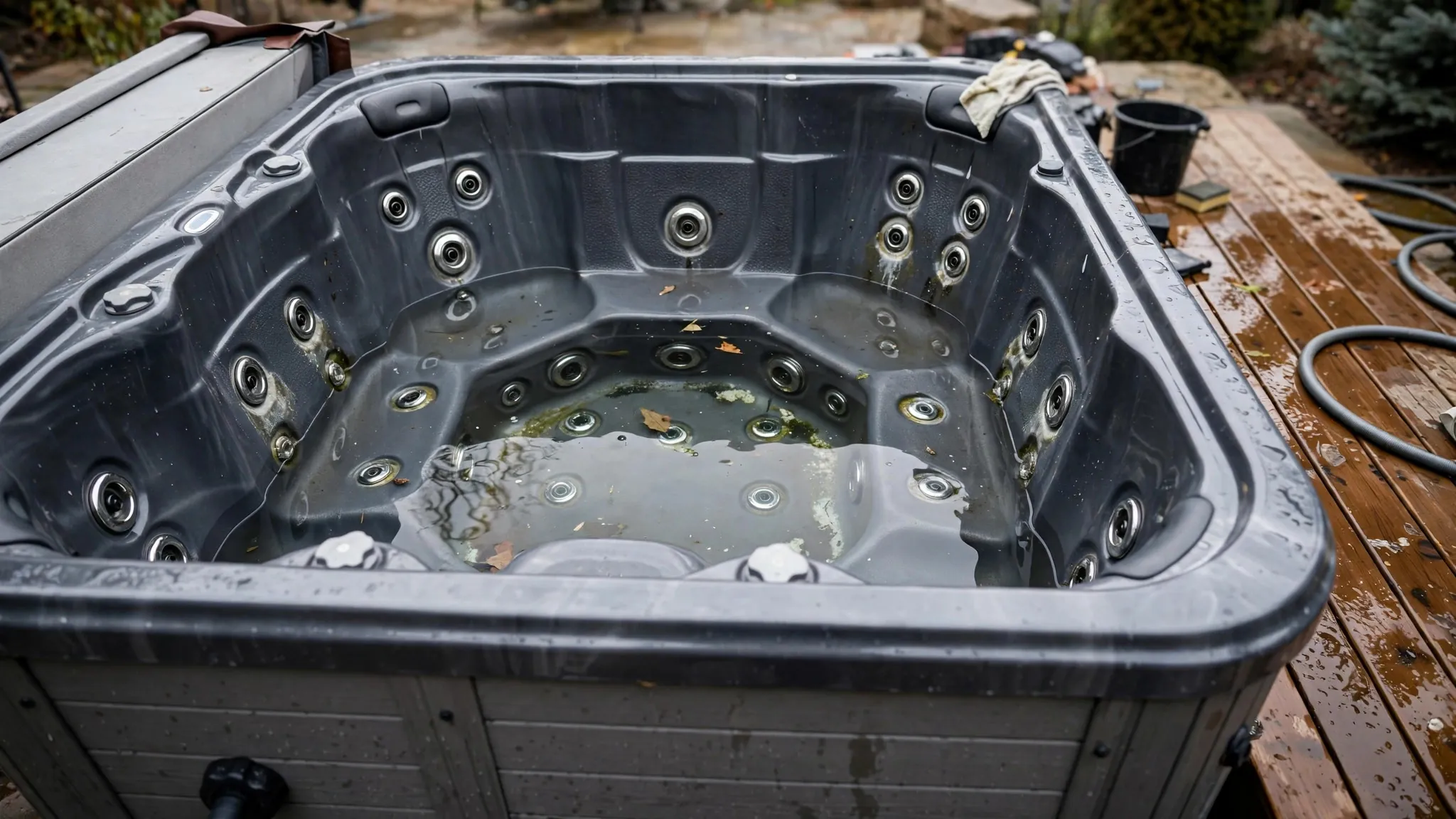
Jets, heaters, pumps, and shell — the signs of a spa leak at each location.
Read Article