
Water Leak Detection
Our core specialty: acoustic sensors, thermal imaging, and tracer gas find hidden leaks behind walls, under floors, and underground — accurately, non-invasively, in a single visit.
Fast · Reliable · Non-Invasive
A slab leak is a pressurized water line leaking beneath your concrete foundation — and it never fixes itself. Our Chelsea specialists combine acoustic listening, thermal imaging, and pressure isolation to mark the exact break point, so your repair opens inches of concrete instead of rooms of it.
Related Services
Slab leaks rarely travel alone. These related services cover the detection work that often surrounds a slab leak diagnosis in Chelsea homes.
Our core specialty: acoustic sensors, thermal imaging, and tracer gas find hidden leaks behind walls, under floors, and underground — accurately, non-invasively, in a single visit.
Water bill suddenly high with no visible leak? We check the meter, the service line, and your home to find the hidden loss — then show you exactly where it is.
A failing sewer line under your slab does not have to mean excavation. Trenchless epoxy lining builds a new pipe inside the old one — no digging.
Hidden leaks in offices, retail, and industrial buildings need minimal-downtime detection. We work around your hours and deliver insurance-ready reports.
Warning Signs
Slab leaks hide under concrete, so the symptoms show up elsewhere — in your bill, your floors, and your water pressure. If two or more of these sound familiar, get a detection visit before the damage compounds.
A patch of floor that feels warm underfoot usually means a hot-water line is leaking beneath the slab. Heat rises straight through concrete, so the warm zone sits almost directly above the break.
A slab leak can waste hundreds of gallons a day with nothing visible. When your bill jumps and usage has not changed, a pressurized line under the slab is a prime suspect.
Hearing water move when every tap and appliance is off is a classic slab leak tell. Press your ear to the floor in a quiet house — the hiss localizes near the leak.
A leak under the slab bleeds pressure from the whole system. If showers weakened gradually and fixtures seem starved, the supply line may be losing water below the concrete.
Moisture wicking up through the slab warps wood, loosens tile, and feeds mildew along baseboards. The damage appears far from the actual break, which is why pinpointing matters.
Escaping water erodes the soil supporting your slab. New cracks, uneven floors, or doors that suddenly stick can all trace back to a long-running leak undermining the foundation.
Our Process
Four steps, one visit in most cases — from your call to a marked break point your repair contractor can work from immediately.
You describe the symptoms — warm floors, bill spikes, sounds. We ask targeted questions that tell us whether the leak is likely hot or cold side, which narrows the search before we arrive. Hot-side versus cold-side symptoms usually reveal themselves in this conversation.
On site we isolate zones of your plumbing with pressure gauges. A line that will not hold pressure confirms the leak's branch, so we never scan the whole house blindly. This test takes about twenty minutes and eliminates entire branches from suspicion.
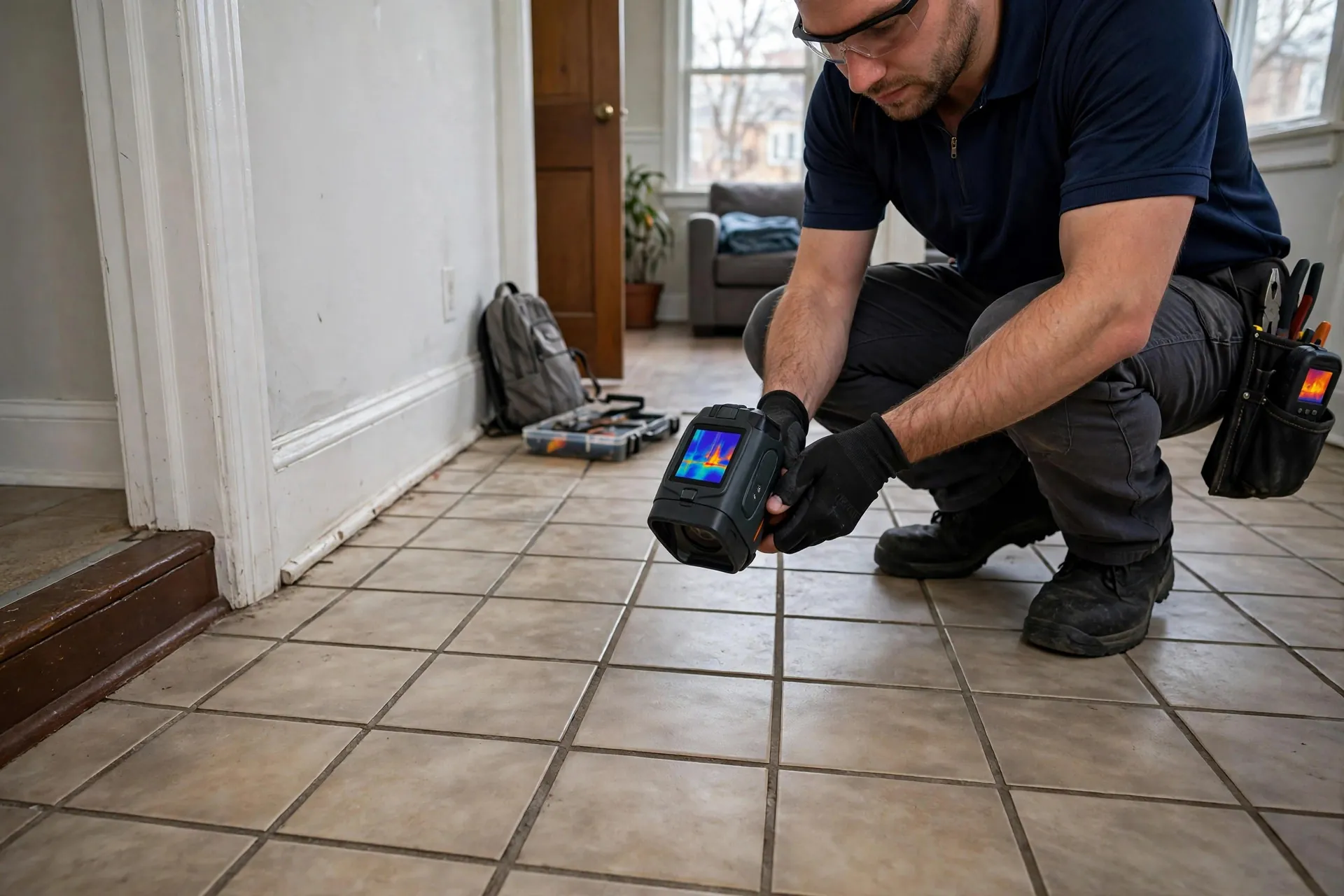
Ground microphones hear the leak's hiss through concrete while thermal imaging maps the heat or moisture plume. Where the two agree, we mark the break — usually within inches. The combined method typically locates the break within a hand's width.
You get the marked location, photos, and a written report describing the leak position and depth. Your plumber opens one small area instead of trenching the room. Most contractors tell us the mark saves them half a day of exploratory work.
Why Choose Us
Slab leaks punish guesswork more than any other leak type — every wrong jackhammer cut costs money and days. We have spent 13 years finding slab leaks across Chelsea's mix of post-war slabs and older retrofitted foundations, and we bring the full toolkit to every visit: acoustic ground microphones, thermal cameras, tracer gas, and line isolation gear. Because we detect only — we do not sell repairs — our marked location is unbiased, and repair contractors trust it. What sets our slab work apart is the combination of methods on every visit. Acoustic listening alone can be fooled by ambient noise; thermal imaging alone can miss cold-side leaks. We run both, plus pressure isolation, and only mark where the evidence converges — which is why our marks hold up when the concrete opens. Chelsea's housing stock adds its own wrinkles: post-war slabs with original copper, additions tied into old lines, and radiant heating loops that mimic leak signatures. Thirteen years of local pattern recognition means we read those wrinkles correctly, and your repair contractor gets a mark they can trust the first time.
Slab leak detection only — 13 years across Chelsea.
From 30 verified customer reviews.
We answer around the clock, every day.
No holes until we are certain of the spot.
Customer Feedback
Helpful Tips
Practical steps that protect your slab — and your wallet — while you arrange professional detection.
Shut off every tap and appliance, note the meter reading, wait two hours without using water, and read it again. Any movement proves a pressurized leak — the fastest free confirmation you can get. A meter that moves confirms a pressurized leak worth investigating professionally.
Walk barefoot across ground-floor rooms and note exactly where the floor feels warm. That zone tells the technician where to start listening, and it can cut the visit time noticeably. Technicians consistently say this simple map shortens the visit.
Opening concrete on a hunch is the most expensive mistake in slab leak repair. A detection visit costs far less than one wrong cut, and it gives your contractor a marked target. One detection visit typically costs less than a single misplaced concrete cut.
Document warm spots, damp flooring, and meter readings with dates. Insurers and contractors take dated photo evidence seriously, and it strengthens any claim you file. Email the photos to yourself so the timestamps are preserved off-device.
Once located, slab leaks are fixed by spot repair, rerouting the line overhead, or epoxy lining. Ask your contractor to price all three — the cheapest today is not always the cheapest over ten years. Get each option in writing — the comparison is illuminating.
High static water pressure accelerates slab leaks. After any slab repair, have pressure checked — a simple regulator adjustment can prevent the next break in the same line. Most hardware stores sell gauges that screw onto a hose bib for a quick check.
24/7 Emergency Service
A slab leak that has broken through the surface — water pooling on the floor, seepage at the slab edge — is an emergency. Our line is answered around the clock, and our technicians reach anywhere in Chelsea in 30–45 minutes with full detection gear on board.
On arrival we confirm the leak branch, shut down the right valve to stop the damage, and pinpoint the break so the emergency repair starts at the right spot immediately. See our full emergency slab leak service.
Call (617) 380-4912 NowService Areas
We bring slab leak detection to every Chelsea neighborhood — from post-war slab homes to retrofitted older foundations. Select your area or call for the whole 02150 ZIP.
FAQs
Straight answers to the questions Chelsea homeowners ask us most about slab leaks.
The strongest signs are a warm spot on the floor, a water bill that jumps without extra usage, the sound of running water with everything off, and low water pressure. Any two together warrant a professional detection visit — the meter test described above confirms it.
We isolate the leaking branch with pressure gauges, then use acoustic ground microphones to hear the leak through the slab and thermal imaging to map the heat or moisture plume. Where both methods agree, we mark the spot — usually within inches.
A pinhole leak in a pressurized line can waste hundreds of gallons per day, and larger breaks waste thousands. That is why bills spike so fast — and why finding the leak quickly pays for the visit many times over.
Many policies cover the resulting water damage and sometimes the detection itself, though the pipe repair may be excluded. Our written report with photos is formatted the way insurers expect, which makes filing straightforward.
It depends on the pipe's age and condition. A single pinhole in otherwise sound copper suits a spot repair; aging lines with multiple weak points are often cheaper long-term to reroute overhead or line with epoxy. Your contractor can price each option once we mark the leak.
Yes. Escaping water erodes the compacted soil beneath the slab, which can lead to settling, cracks, and uneven floors over time. The longer a slab leak runs, the greater the structural risk — another reason fast detection matters.
Yes. Commercial slabs hide the same pressurized lines, and the stakes are higher with tenants and operations involved. We schedule around business hours and provide the documentation facilities managers need.
Our emergency line is answered 24/7 and we arrive anywhere in Chelsea in 30–45 minutes. For non-emergencies we schedule detection visits at your convenience — call (617) 380-4912 any time.
Always. Pressurized leaks do not seal themselves — water flow enlarges the break, erodes supporting soil, and spreads damage to flooring and foundations. A pinhole today becomes a burst pipe tomorrow, and the repair cost grows with the damage radius. Early detection is the cheapest intervention there is.
From The Blog
Deeper reading on slab leak signs, detection methods, and repair options for Chelsea homeowners.
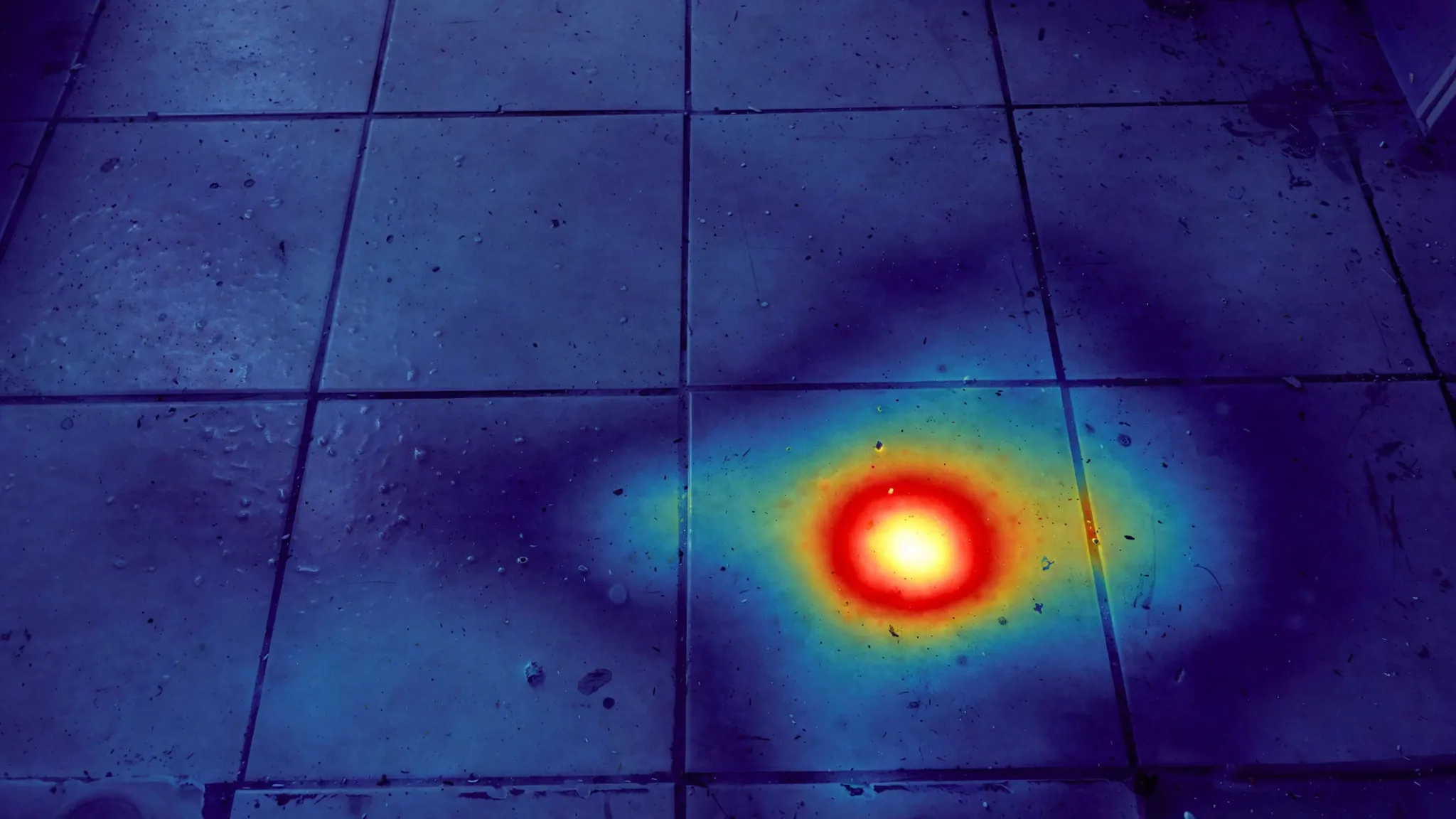
Warm floors, unexplained bill spikes, and the sound of running water under concrete — learn the early warnings of a slab leak.
Read Article
Acoustic listening, thermal imaging, and tracer gas — how each method finds slab leaks without breaking concrete.
Read Article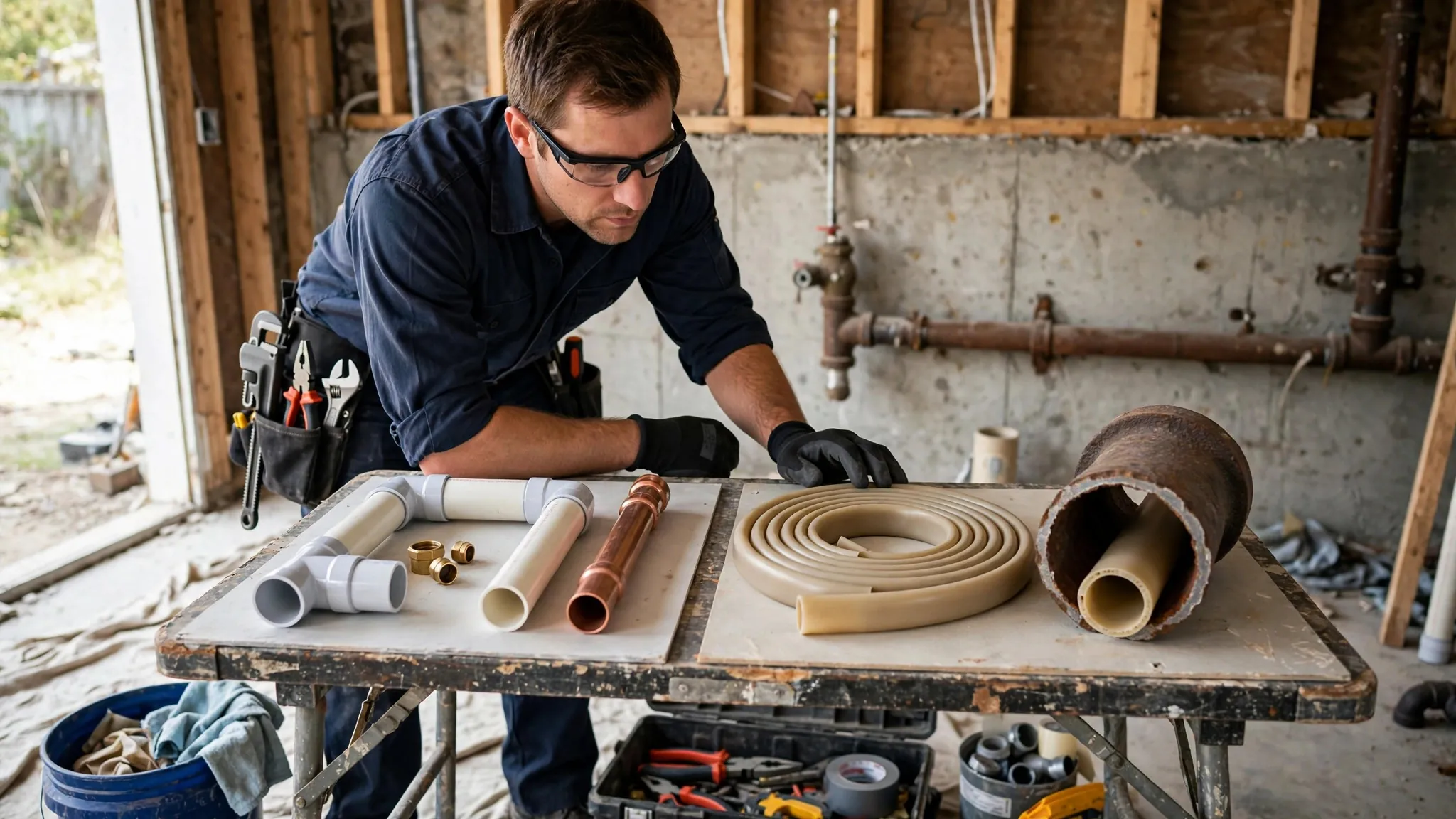
Spot repair, reroute, or epoxy lining? Compare slab leak repair options so you can choose with confidence.
Read ArticleDo not let a hidden leak undermine your foundation. Call now for specialist slab leak detection anywhere in Chelsea — we arrive in 30–45 minutes, 24/7.
Learn More
Helpful guides about this service — signs, methods, and what to expect.
Warm floors, high bills, and phantom water sounds — the classic warnings of a leak beneath your foundation.
Read Article
Acoustic listening, thermal imaging, and tracer gas — the three technologies that find leaks under concrete without demolition.
Read Article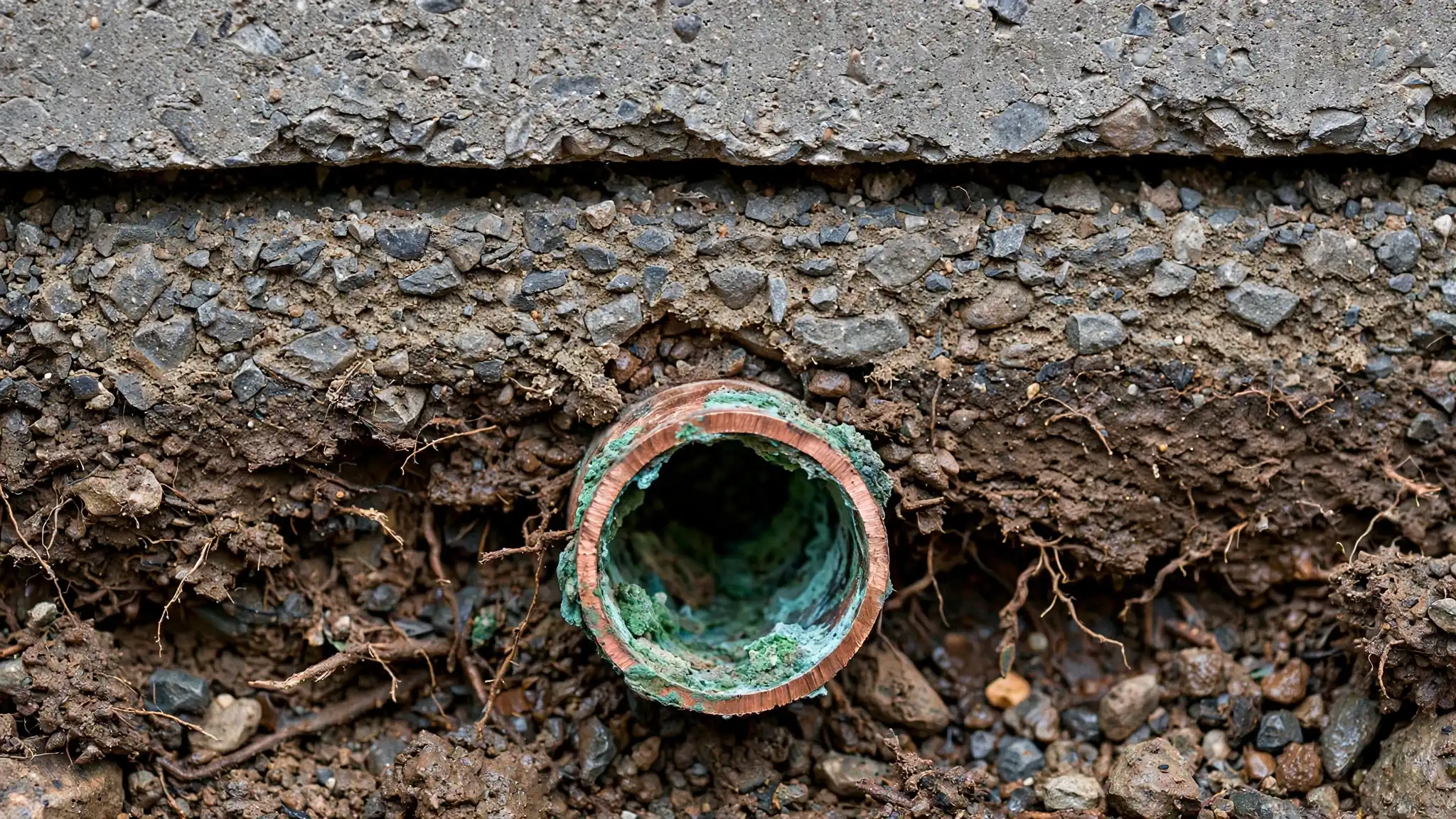
Corrosion, pressure, soil movement, and installation defects — the real causes of slab leaks and how to prevent them.
Read Article