
Irrigation / Sprinkler Leak
Weak sprinkler zones, geysers, or a soggy lawn waste water and money. We pinpoint irrigation line and valve leaks so repairs target the exact spot.
Fast · Reliable · Non-Invasive
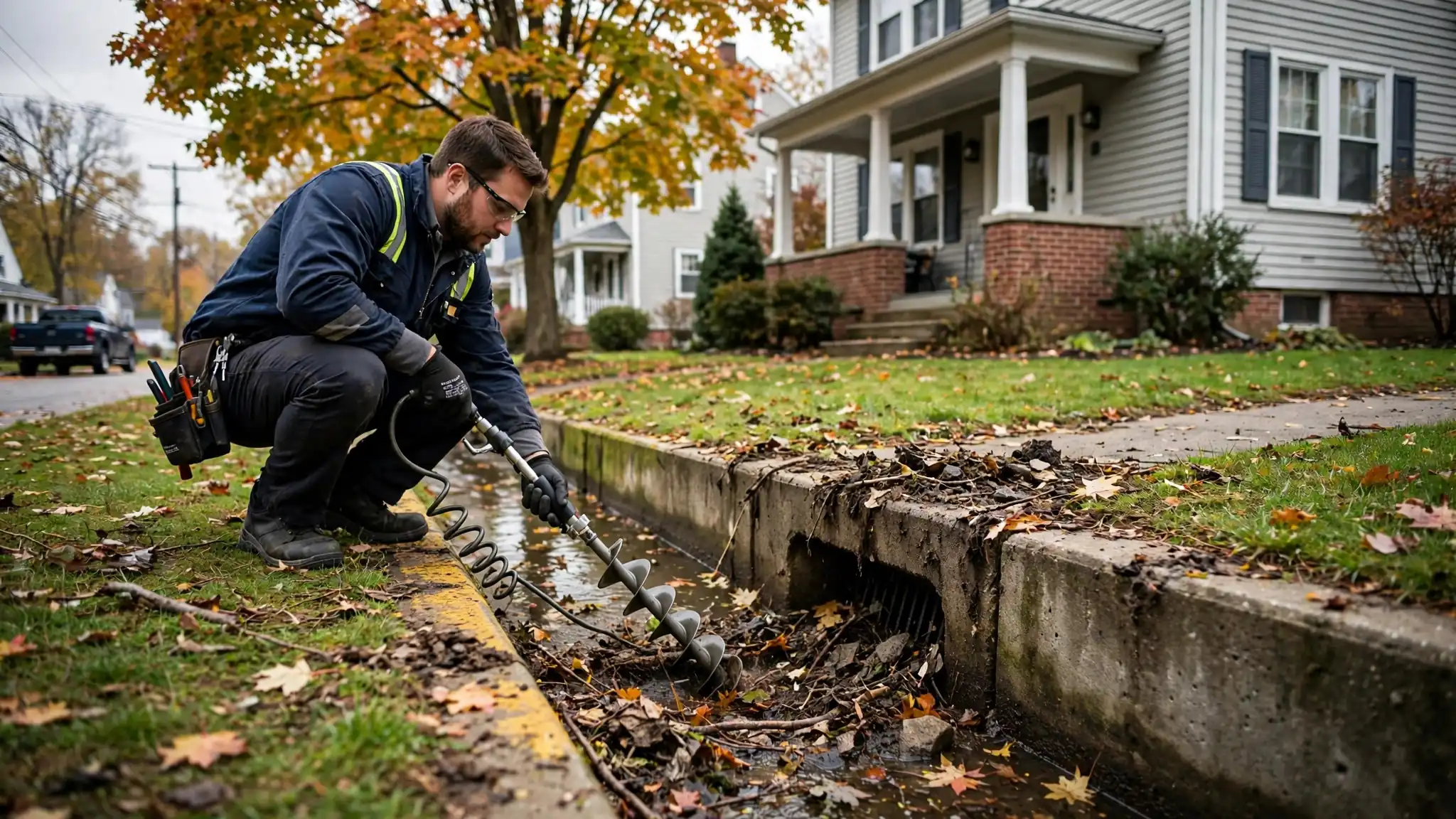
Yard drains only work when they are clear — and they silently fill with leaves, sediment, and roots until the first big storm reveals the failure as a flooded yard or water against your foundation. We clean yard drainage systems completely: catch basins, grates, underground lines, and outlets — restoring the stormwater path that protects your property.
Related Services
Yard water connects to several systems. These services handle each one.
Weak sprinkler zones, geysers, or a soggy lawn waste water and money. We pinpoint irrigation line and valve leaks so repairs target the exact spot.
Soggy lawn, sinking soil, or water surfacing where it should not can mean a buried pipe leak. Ground microphones and tracer gas locate it without tearing up your yard.
Multiple drains backing up, gurgling toilets, or sewage smells signal a main line clog. We diagnose the blockage fast and clear it safely.
Hidden leaks in offices, retail, and industrial buildings need minimal-downtime detection. We work around your hours and deliver insurance-ready reports.
Warning Signs
Drainage fails quietly — until the storm that proves it. These signs mean clean now, not after the flood.
Water standing in the yard hours or days after rain means drains are not carrying it away. Pooling near the foundation is the urgent version — hydrostatic pressure builds against basement walls.
Water rising out of drain grates during rain means the basin or its outlet line is blocked. The system is full and rejecting inflow — the definition of drainage failure.
Gullies or channels carved through soil and mulch show where water ran instead of draining. Erosion patterns map exactly which drain failed to capture its share.
Permanently soggy areas indicate the underground outlet is blocked or crushed — water enters the system but cannot leave. The drain has become a sump.
Water appearing in the basement only during heavy rain often traces to failed yard drainage saturating the soil against the foundation. Fix the drainage, stop the seepage.
Grates buried under leaves, mulch, or sediment cannot accept water — the system's front door is shut. If you cannot see the grate, it is not draining.
Our Process
From grate to outlet — the full stormwater path, restored.
We walk your property's grading and locate every grate, basin, and outlet — mapping how water is supposed to travel. Many properties have forgotten drains buried under landscaping that we rediscover and restore. We photograph the system's before condition for your records.
Catch basins are opened, mucked out, and inspected; grates are cleared of debris and sediment. This step alone restores function in most neglected systems. Basin sumps often hold years of compacted sediment — all of it gets removed.
Underground drain lines get hydro jetted to clear sediment, roots, and blockages. We verify flow at the outlet — water in must equal water out, or the job is not done. Jetting continues until the outlet runs clean, however long that takes.
We test the system with water to confirm every basin drains and every outlet flows freely. You get a drainage map and maintenance guidance for keeping it clear. The water test simulates a storm — the system must pass before we consider it done.
Why Choose Us
Most yard drain 'cleaning' stops at the grate — leaves raked off, job done — while the underground line stays packed with sediment and the outlet stays blocked. For 13 years we have cleaned Chelsea's yard drainage the complete way: basins mucked out, lines jetted, outlets verified flowing. Our nor'easter-season experience has shown us exactly how local systems fail under real storm loads, and our verification testing proves the system works before we leave — not just that it looks cleaner. Your foundation's first defense deserves more than a rake. The completeness standard is what separates our yard drain service from a rake-and-go. Stormwater systems fail underground — in sediment-packed lines and blocked outlets that no surface cleaning touches — and Chelsea's nor'easter seasons punish partial maintenance mercilessly. For thirteen years we have cleaned these systems the way they need: basins mucked to the bottom, lines jetted until outlets run clear, and flow verified with water before we leave. Our drainage maps show you the system you own, much of which was buried and forgotten, and our maintenance guidance keeps it working through the storms that test it.
Drainage work across Chelsea properties.
From 30 verified customer reviews.
We answer around the clock, every day.
Restored flow — no excavation needed.
Customer Feedback
Helpful Tips
Keep stormwater moving away from your home.
Fallen leaves are the number one yard drain killer. Clear every grate after leaf fall and before winter — a five-minute job that prevents spring flooding. Five minutes per grate each fall prevents the most common drainage failures.
The season's first heavy rain is your drainage system's exam. Walk the property during it and note every pooling spot and overflowing grate — that is your cleaning list. Storm-watching turns you into your drainage system's best inspector.
Landscaping mulch migrates onto grates and into basins with every rain. Maintain a clear ring around each grate — mulch belongs in beds, not in drains. A clear grate ring is the simplest effective drainage maintenance there is.
Soil should slope away from your foundation at least six inches over ten feet. Poor grading overwhelms even clean drains — fix the slope and the drains' job gets easier. Regrading is labor-intensive but permanently reduces drainage load.
Find where your yard drains discharge — street, swale, or dry well. Blocked outlets back up the entire system; keep them clear and visible. Buried outlets are the most overlooked failure point — find yours.
Professional cleaning in late summer or early fall prepares the system for nor'easter season. Emergency cleaning during a storm costs more and accomplishes less. Pre-season professional service beats mid-storm emergency calls every time.
24/7 Emergency Service
Stormwater pooling against your foundation or flooding into basements during rain is urgent — hydrostatic pressure damages foundations fast. Our 24/7 line covers all of Chelsea with 30–45 minute arrival.
We clear the critical blockages immediately to get water moving away from the structure, then complete the full system cleaning. See our full emergency yard drain service.
Call (617) 380-4912 NowService Areas
Residential yards and commercial lots in every Chelsea neighborhood — complete drainage cleaning within the 02150 ZIP.
FAQs
What Chelsea property owners ask about yard drainage.
Watch during heavy rain: pooling water, overflowing grates, and erosion channels all indicate blockages. Between storms, lift basin lids — sediment-filled basins and debris-packed grates confirm it. Our survey maps the full system condition.
Complete service covers catch basin cleanout, grate clearing, hydro jetting of underground lines, outlet verification, and flow testing. We do not stop at the surface — the underground lines and outlets are where most failures hide.
At minimum, grates cleared each fall after leaf drop and a professional full-system cleaning every 2–3 years — or annually for properties with heavy tree cover. After any major storm, inspect for new blockages.
Yes — this is the serious consequence. Pooling water against the foundation creates hydrostatic pressure that forces water through walls and floors, erodes supporting soil, and can cause structural damage over time. Drainage is foundation protection.
Yes — parking lots, commercial landscapes, and industrial yards with catch basins and storm lines. We schedule around operations and handle larger-diameter commercial systems.
Jetting reveals structural problems: if a line is crushed or collapsed, cleaning cannot restore it. Our inspection identifies this honestly, and we document the location and condition for repair planning — including trenchless options where suitable.
If the seepage is caused by saturated soil from failed yard drainage — which is common — then yes, restoring drainage often stops it. We assess whether your seepage pattern matches drainage failure or indicates a separate waterproofing issue.
Most residential systems take two to four hours for complete service including jetting and verification. Larger or severely neglected commercial systems can take a full day.
Yes — our emergency line is answered around the clock with 30–45 minute arrival anywhere in Chelsea. Flooding toward foundations cannot wait. Call (617) 380-4912 any time.
Catch basins collect surface water at grates and carry it away through pipes; French drains collect subsurface water through perforated pipe in gravel trenches. Many properties need both — surface collection for storms, subsurface relief for saturated soil. Our survey determines which system serves each wet area of your property.
From The Blog
Stormwater, soggy lawns, and spring moisture — managed.
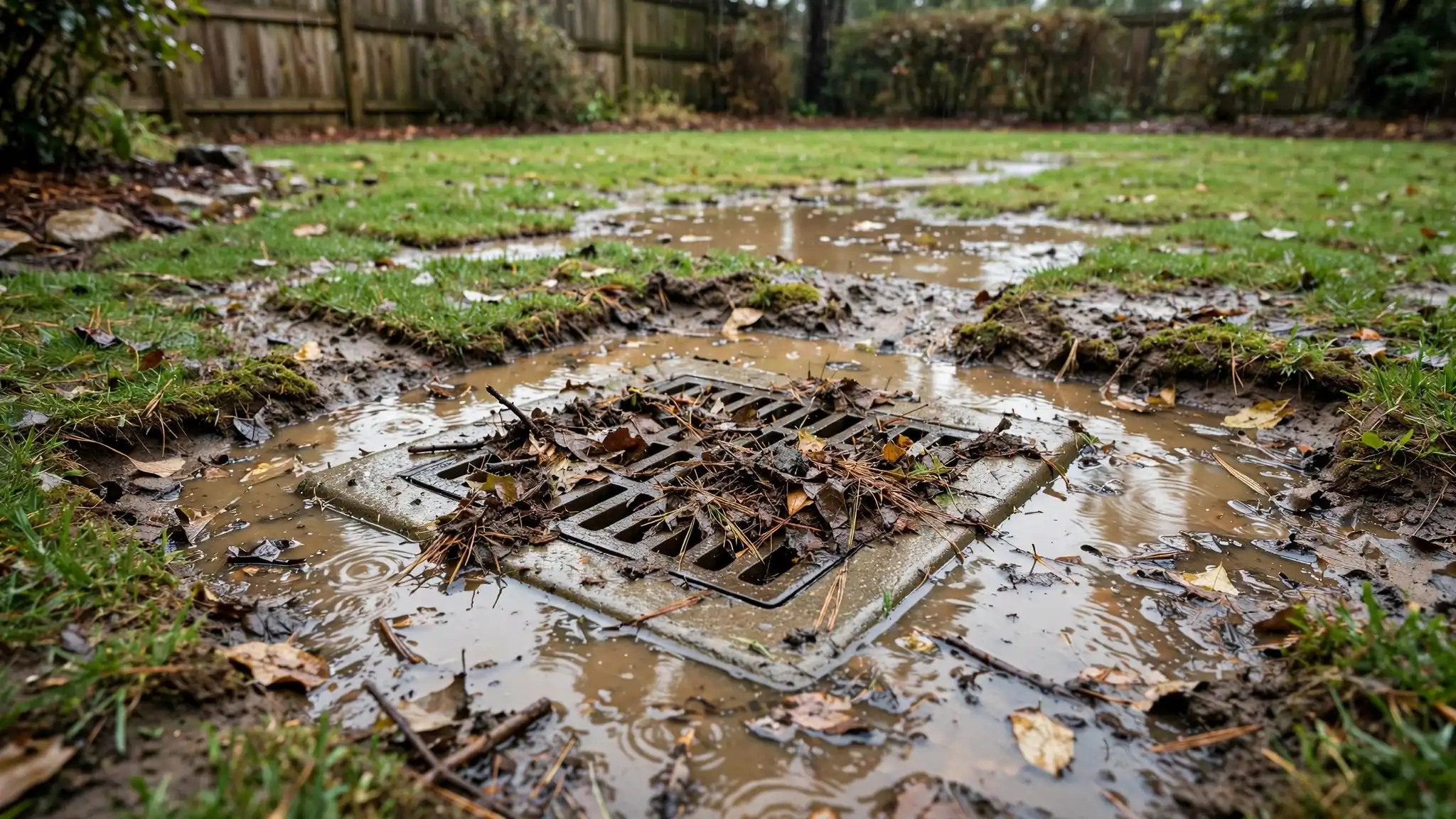
Yard drains only work when they are clear. How professional cleaning keeps stormwater away from your foundation.
Read Article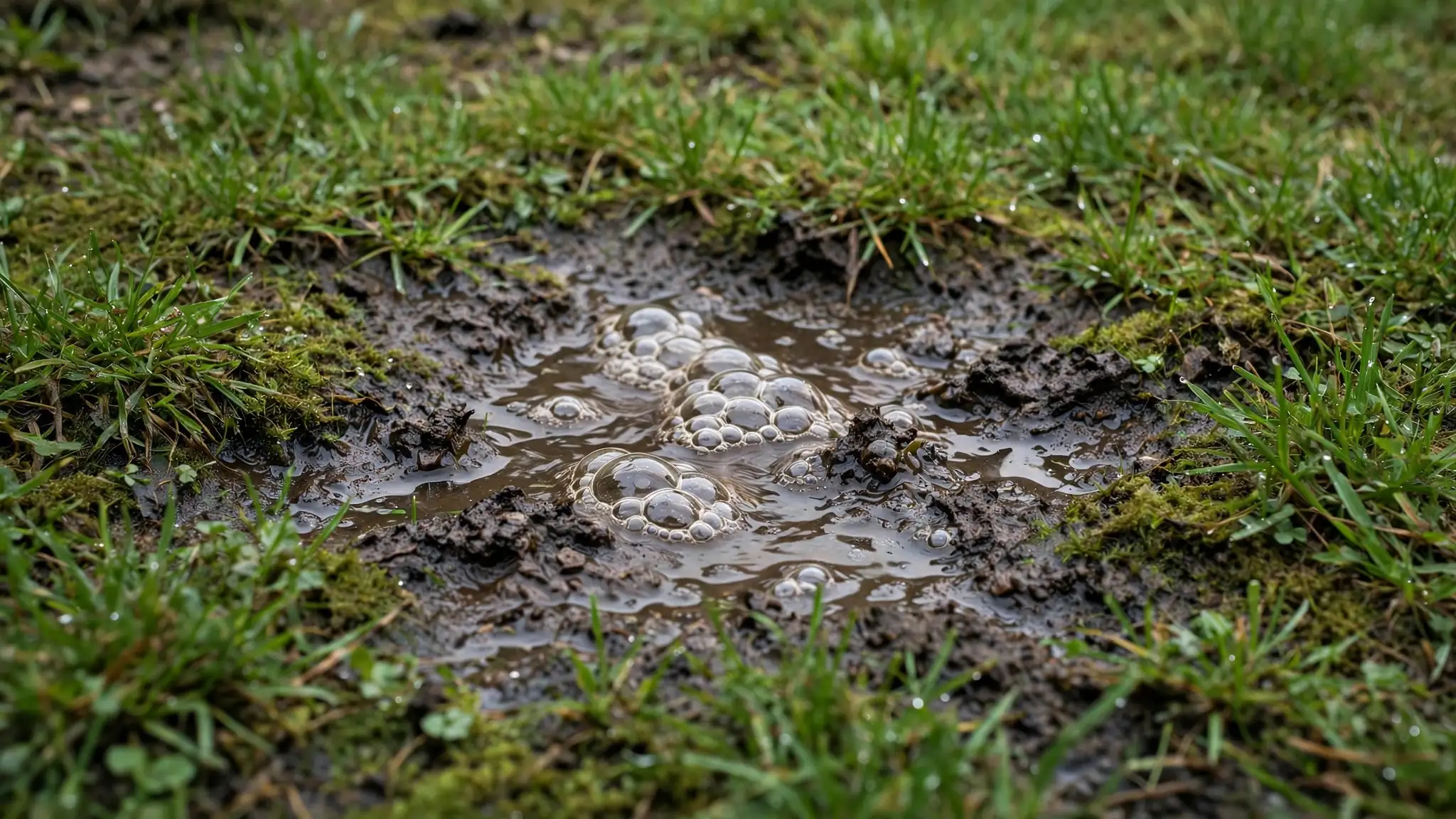
A soggy lawn that never dries often hides a buried pipe leak. Learn how to confirm it before calling for detection.
Read Article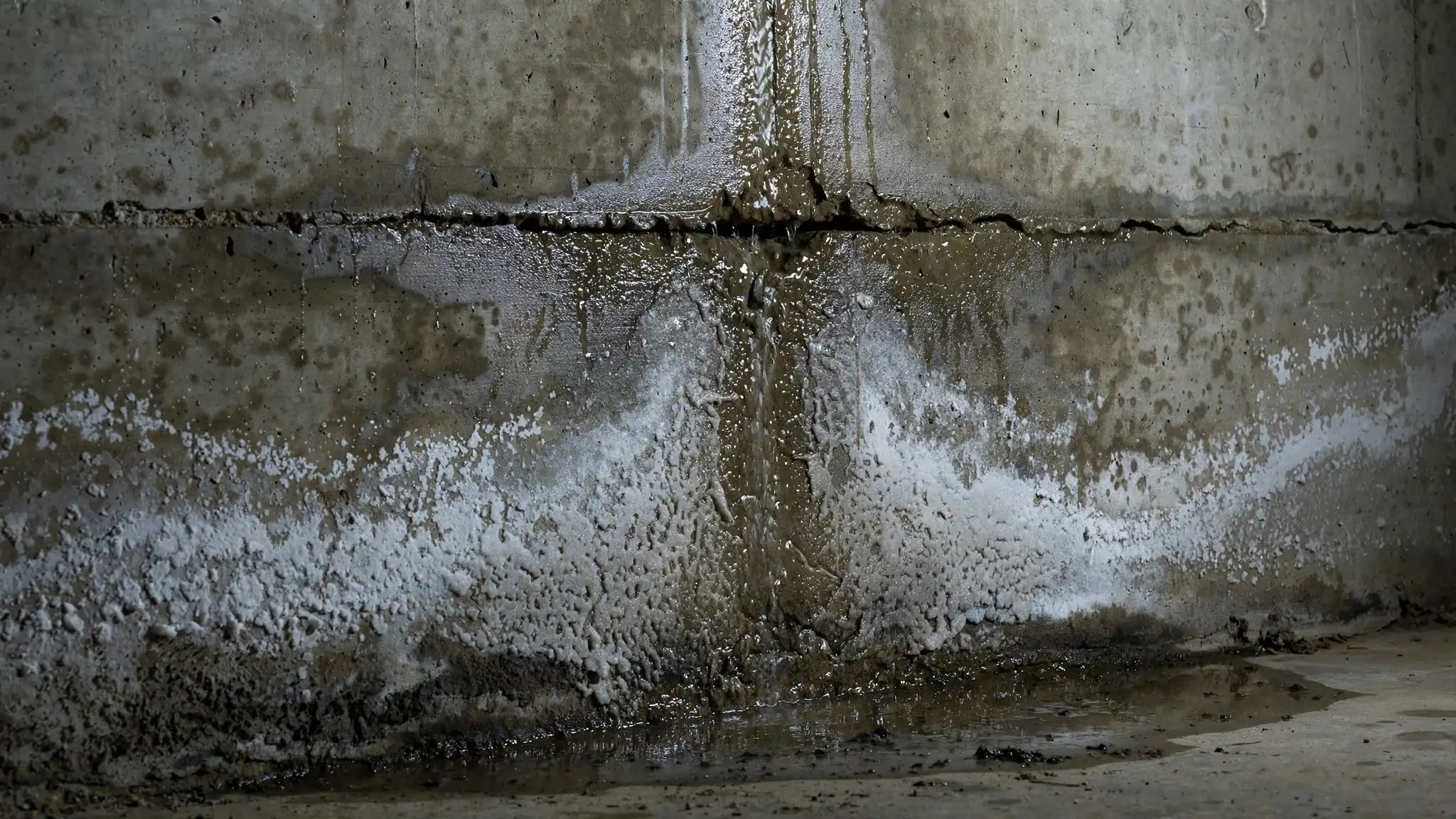
Spring thaw pushes groundwater toward foundations. Watch for these basement moisture and foundation leak signs.
Read ArticleComplete yard drain cleaning — basins, lines, outlets verified. Call now anywhere in Chelsea, 24/7 emergency response.
Learn More
Helpful guides about this service — signs, methods, and what to expect.
How yard drain cleaning keeps stormwater away from your foundation.
Read Article
A single soggy patch in an otherwise dry yard usually marks the spot — what it means and what to do.
Read Article
Spring thaw saturates soil — the basement moisture and foundation leaks to watch for.
Read Article