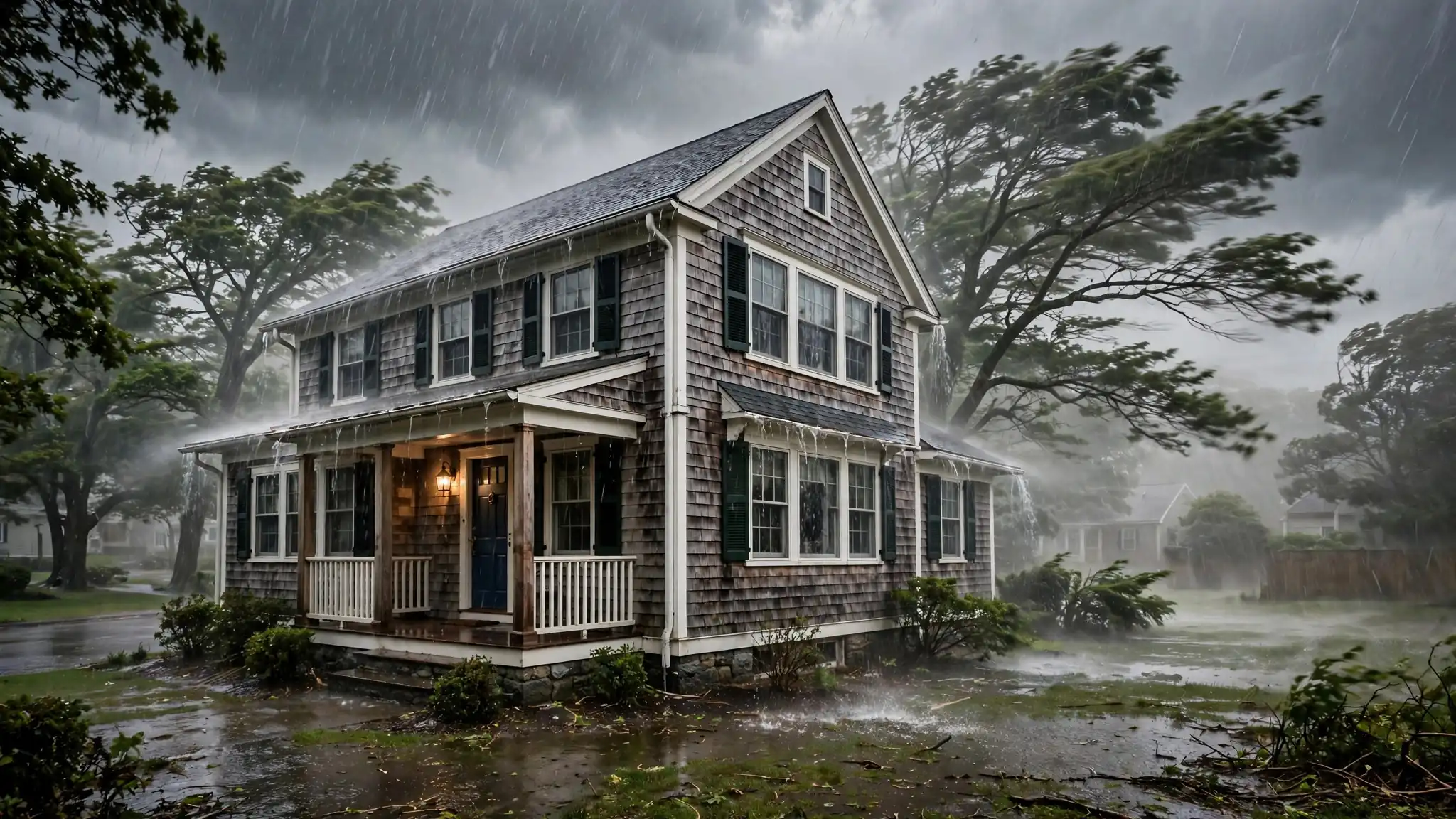
A Nor'easter — the powerful coastal storm bringing prolonged wind-driven rain, heavy snow, coastal flooding, and power outages — tests every vulnerability in your home's water defenses. Storm-driven leaks come from wind-forced rain (penetrating vents, flashing, and envelope gaps that never leak in normal rain), overwhelmed drainage (gutters, yard drains, and sump systems at capacity), power outages (sump pumps and heating offline), and structural stress (wind damage creating new entry points). This playbook — before, during, and after the storm — protects your Chelsea home. When storm damage causes leaks, emergency service responds 24/7.
Quick Answer
Before: clear gutters and yard drains, inspect roof flashing and seals, test the sump pump (including battery backup), secure outdoor items, know your main shutoff, and charge devices. During: monitor for leaks (attic, basement, windows), do not go on the roof, and conserve phone battery. After: inspect systematically (roof, attic, basement, exterior), document any damage with photos, address water intrusion promptly, and file insurance claims with documentation. The post-storm inspection within 24-48 hours catches most storm-driven issues in their cheapest phase.
Before The Storm: The Preparation Checklist
Water Defenses:
- Clear gutters and downspouts — clogged gutters overflow directly into the structure during heavy rain.
- Clear yard drains and catch basins — stormwater must have somewhere to go.
- Test the sump pump — pour water in the pit; verify activation and discharge. Test the battery backup — outages and storms coincide.
- Inspect roof flashing — from the ground (binoculars) or attic; note any obvious issues for post-storm follow-up.
- Seal obvious gaps — windows, doors, and known draft points where wind-driven rain enters.
- Verify grading — water must flow away from the foundation; regrade if it ponds against the structure.
Power And Safety:
- Charge devices and have backup power for critical needs.
- Know your main shutoff — water and electrical; storm damage may require rapid shutoff.
- Secure outdoor items — projectiles damage siding, windows, and roofs, creating new leak paths.
- Stock supplies — flashlights, towels, buckets, tarps, and plastic sheeting for emergency water control.
The Sump Pump Test
Pour a bucket of water into the sump pit and watch: the pump should activate, discharge strongly, and shut off. Then unplug it (simulating outage) and verify the battery backup engages. A sump pump that has never been tested is a hope, not a plan — and storms are when hopes fail.
During The Storm: Vigilance Without Risk
- Monitor vulnerable areas — attic hatch, basement, windows, and known leak spots; check periodically, not constantly.
- Do not go on the roof — wind + rain + roof = injury. Inspection waits until after.
- Contain active leaks — buckets, towels, and tarps; move valuables; do not attempt repairs during the storm.
- Watch the sump — if the power fails, the battery backup's runtime is finite; minimize basement water entry.
- Conserve phone battery — for emergency communication; the storm's duration is uncertain.
- Note the timing — when leaks appear relative to wind/rain intensity; this diagnoses the entry mechanism.
After The Storm: The Systematic Inspection
Inspect within 24-48 hours — storm damage caught early is cheapest:
- Exterior walk: missing shingles, damaged siding, displaced flashing, fallen branches on the roof, gutter damage.
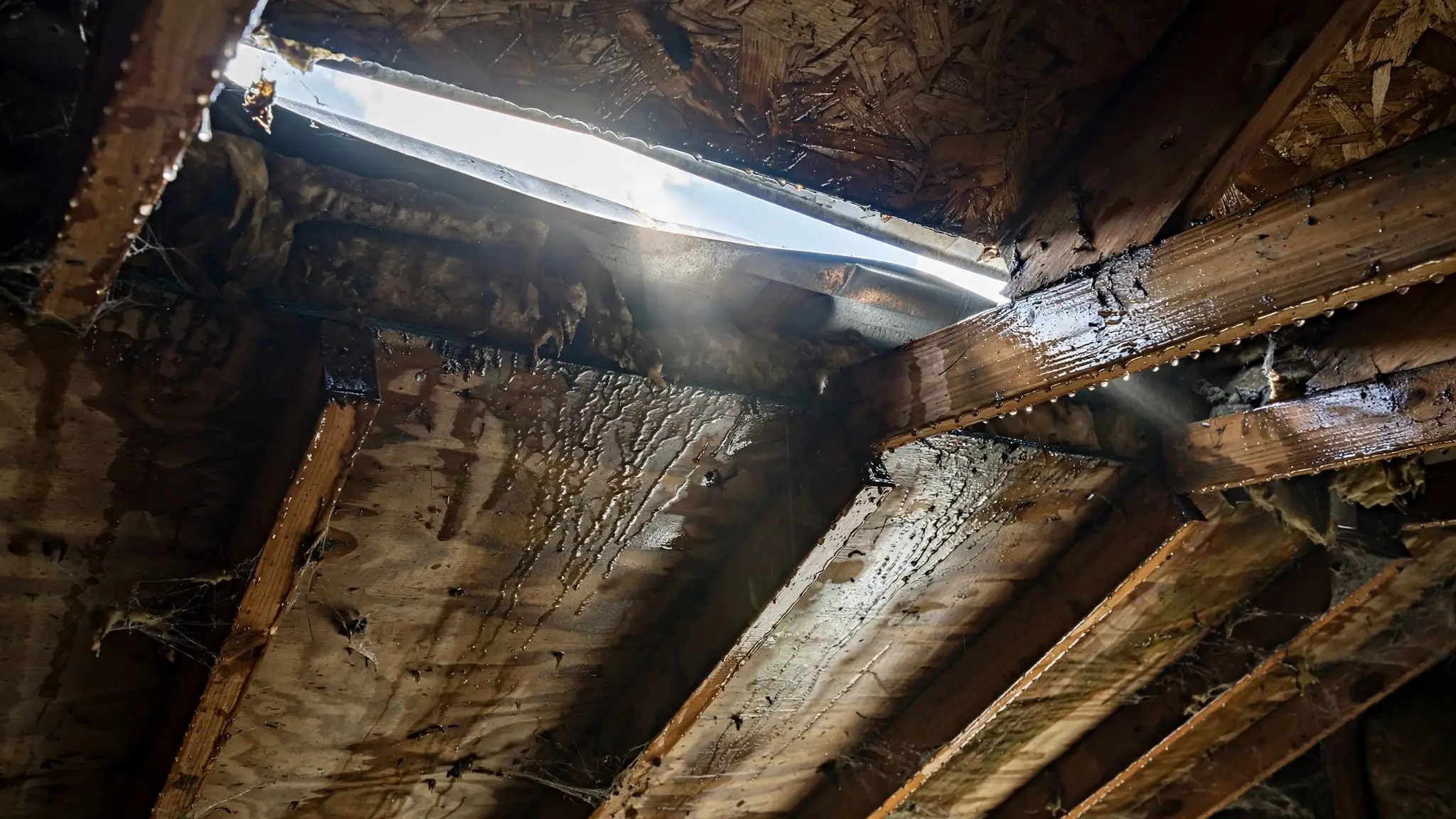
- Attic inspection: new wet spots, drips, or daylight; compare against pre-storm condition if known.
- Interior check: ceiling stains, wall dampness, window leaks — especially on the windward side.
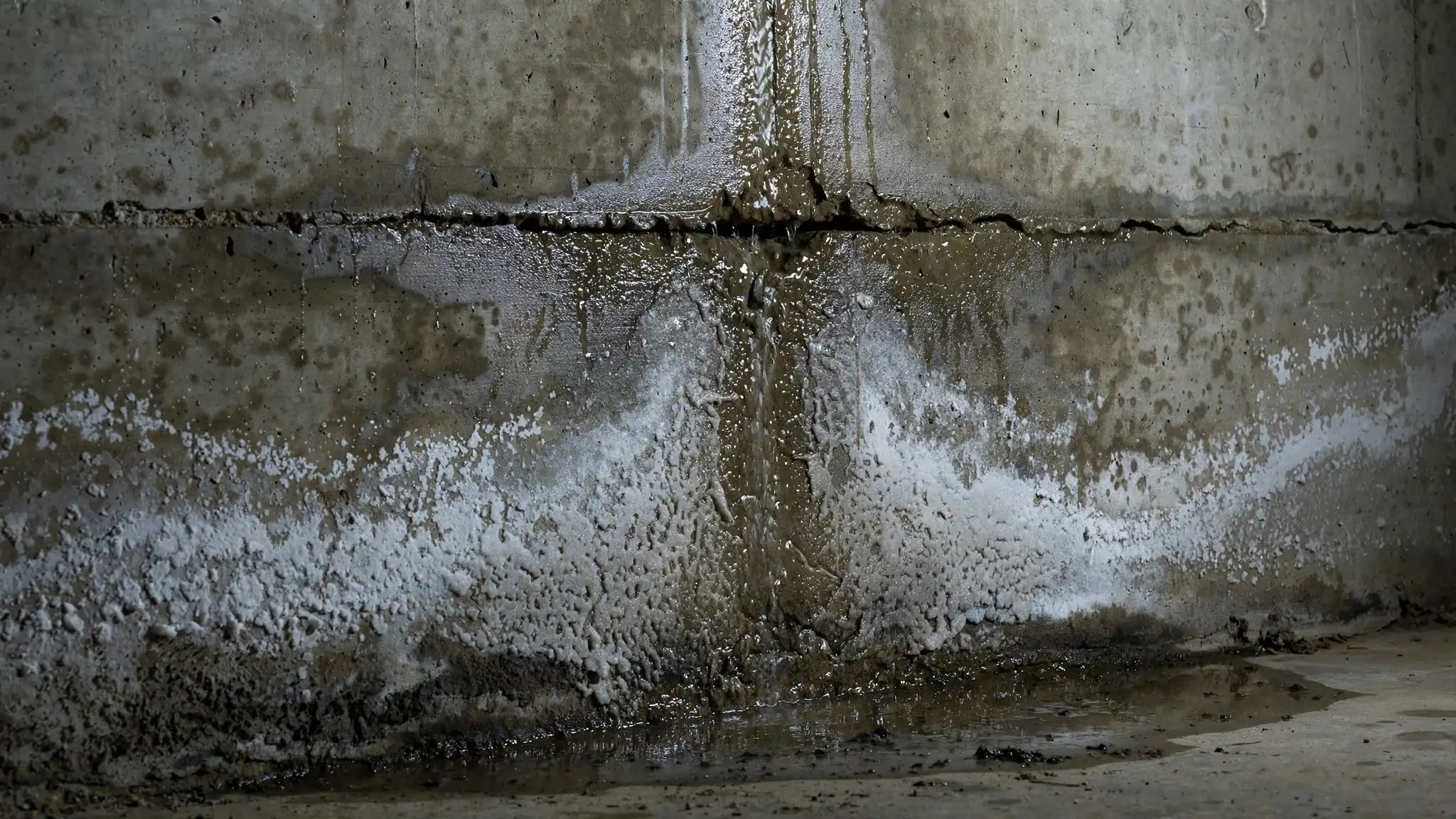
- Basement check: seepage, sump pit level, and any new moisture.
- Drainage check: yard drains functional; no new ponding against the foundation.
Document everything with dated photos — the inspection is also the insurance record.
Chelsea-Specific Storm Concerns
- Coastal proximity: storm surge and tidal flooding affect low-lying areas — know your flood zone and have a plan.
- Wind-driven rain from the east/northeast: the typical Nor'easter direction; windward (eastern) exposures take the brunt — inspect those slopes and walls first.
- Older housing stock: aging flashing, original windows, and older roofing are more vulnerable — prioritize their inspection.
- Dense development: wind-tunnel effects between buildings intensify local wind; flying debris is a greater risk.
- Power infrastructure: outages are common; sump pump battery backups are essential, not optional.
Windward Side First
After every Nor'easter, inspect the windward (typically eastern) exposures first — roof slopes, walls, windows, and flashing on that side take the storm's full force. Damage concentrates there; the leeward side can wait.
Insurance And Documentation
- Document before cleanup — photos of damage and water intrusion before mitigation (then mitigate promptly; the duty to mitigate applies).
- Distinguish wind vs. water: homeowners policies typically cover wind-driven rain entering through storm-created openings, but flood (rising water) requires separate flood insurance. The distinction matters enormously — document the mechanism.
- Professional assessment: for significant damage, professional documentation (detection reports, contractor assessments) strengthens claims.
- File promptly: most policies have notification deadlines; do not delay filing while completing repairs.
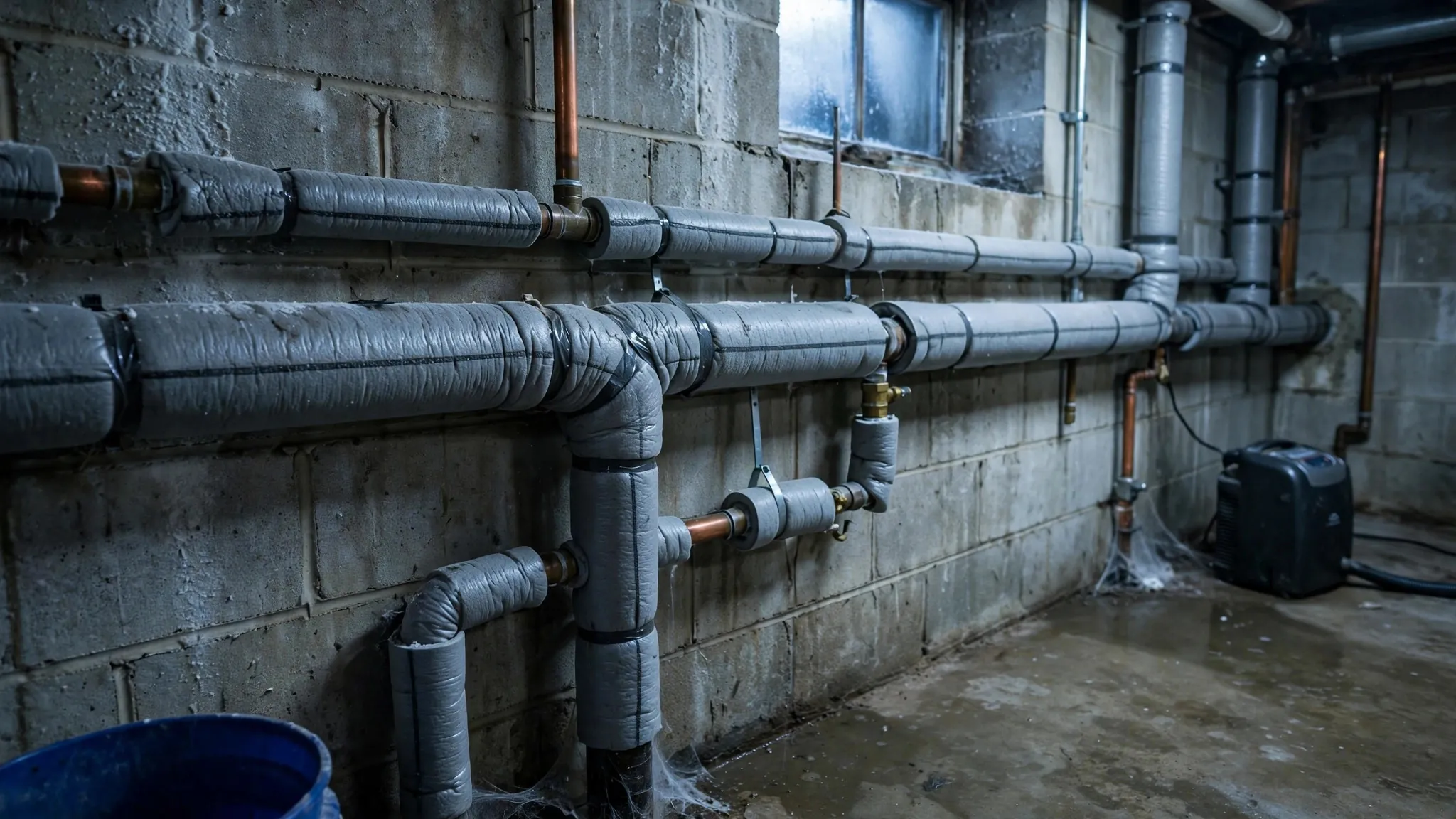
For attic storm issues and winter pipe protection, see our companion guides.
Generators: Power Through The Storm
- Portable generators: power essentials (sump pump, refrigerator, phone charging); operate outdoors only (carbon monoxide).
- Standby generators: automatic whole-house power; the comprehensive solution for outage-prone areas.
- Sump pump priority: during outages, the sump pump is the highest-priority load — basement flooding compounds every other problem.
- Fuel and maintenance: test monthly; maintain fuel supply; service annually.
Generator Safety Is Non-Negotiable
Portable generators produce deadly carbon monoxide — operate outdoors, far from windows and doors, never in garages or basements. Improper generator use kills more people than the storms themselves. Follow every safety instruction.
Coastal Flooding: Special Preparation
- Know your zone: FEMA flood maps; evacuation routes; historical surge levels.
- Elevate valuables: move critical items above potential water levels before the storm.
- Sandbags and barriers: for doorways and low entry points; deploy before water rises.
- Utilities: know how to shut off gas, water, and electricity if flooding is imminent.
- Evacuation plan: when to leave; where to go; what to bring — decided before the storm, not during.
Post-Storm Recovery Priorities
- Safety: structural hazards, electrical hazards, and contaminated water — address before re-entry.
- Water removal: pump and dry promptly; the mold timeline is days.
- Documentation: photos before cleanup (then clean promptly — the duty to mitigate).
- Emergency repairs: tarping, board-up, and temporary waterproofing preventing further damage.
- Professional assessment: for significant damage — detection, structural, and contractor evaluation.
- Insurance filing: prompt notification with documentation.
For winter pipe protection and spring moisture management, see our companion guides.
Storm Preparation Checklist Summary
- Water defenses: gutters clear; yard drains clear; sump tested (with backup); flashing inspected; gaps sealed.
- Power: devices charged; generator ready; sump pump prioritized.
- Safety: shutoffs known; outdoor items secured; emergency kit stocked.
- After: inspect within 48 hours; document; address promptly; file insurance.
Storm Myths
- Myth: "New roofs do not leak in storms." Reality: wind-driven rain penetrates even new roofs at vulnerable points.
- Myth: "Insurance covers all storm damage." Reality: flood vs. wind-driven rain distinctions determine coverage — know your policy.
- Myth: "I can wait until spring to inspect." Reality: winter storms cause damage that worsens with each subsequent event — inspect within days.
For winter protection, see our companion guide.
Business Storm Preparation
- Operational continuity: which functions must continue; backup locations and remote work plans.
- Inventory protection: elevate stock; protect equipment from water entry.
- Staff safety: closure criteria; communication plans; emergency contacts.
- Documentation: pre-storm photos for insurance comparison.
Lessons From Past Storms
- The sump pump failed: the most common post-storm regret — test before, not after.
- We did not know the shutoff: second most common — locate it before the storm.
- The gutters were clogged: preventable overflow causing preventable damage.
- We waited to inspect: damage discovered months later, worsened and harder to claim.
For attic storm damage, see our companion guide. Emergency service for storm-driven leaks.
The Key Takeaway
Nor'easters test every water defense your home has — gutters, flashing, drainage, sump systems, and the building envelope. Preparation (before), vigilance (during), and prompt inspection (after) form the complete playbook. The 48-hour post-storm inspection catches most issues in their cheapest phase; the pre-storm checklist prevents most of the rest. Storms are inevitable — damage is often optional.
For spring thaw preparation, see our companion guide.
One final thought: every storm teaches something. After each Nor'easter, note what worked and what did not — which defenses held, which failed, what you will do differently. This post-storm review, done while memories are fresh, compounds into genuinely storm-ready preparation over a few seasons.
Nor'easter season demands respect, not fear. These storms are powerful but predictable — and homes that are prepared weather them with minimal drama. Work the checklist, inspect after each storm, and learn from every event. Your Chelsea home can stand ready for whatever the Atlantic sends.
Start your preparation today — before the forecast, before the wind, before the water. The best time to prepare for a Nor'easter was last month; the second-best time is right now.