Sewer line epoxy lining (cured-in-place pipe, or CIPP) creates a new pipe inside the old one — a resin-saturated liner inserted through existing access points, then cured (hardened) in place, forming a seamless, jointless new pipe within the damaged host. It is trenchless: no excavation, minimal surface disruption, and typically faster than traditional replacement. But it is not universal — it requires specific pipe conditions, and it is not always the right choice. This guide explains the process, the candidacy requirements, and the honest limitations. Professional epoxy lining service begins with camera assessment of candidacy.
Quick Answer
Epoxy lining inserts a resin-saturated liner into the damaged pipe through existing access, then cures it into a new jointless pipe inside the old one — no digging. It makes sense for cracked, root-damaged, or corroded pipes with intact overall shape and adequate diameter. It does not make sense for collapsed pipes, severe offsets, bellies holding water, or pipes needing upsizing. Camera inspection determines candidacy; it is the mandatory first step, not an optional add-on.
The Process Step By Step
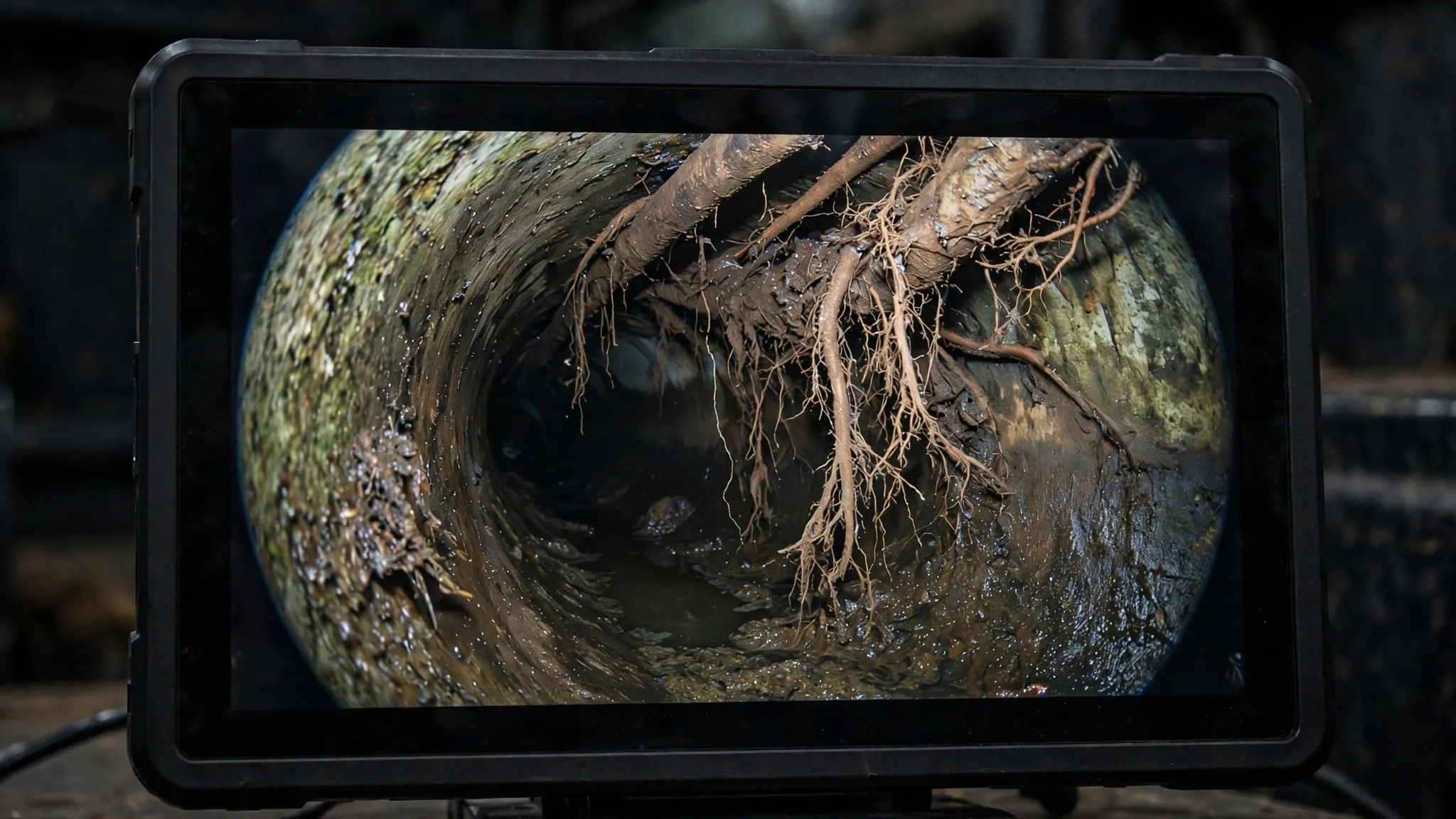
- Camera inspection: the mandatory first step — assessing the pipe's condition, diameter, length, and candidacy. No reputable liner proceeds without it.
- Cleaning: the host pipe is thoroughly cleaned (jetting, descaling, root cutting) — the liner bonds to a clean surface.
- Liner preparation: a felt or fiberglass tube is saturated with two-part epoxy resin, calibrated to the pipe's dimensions.
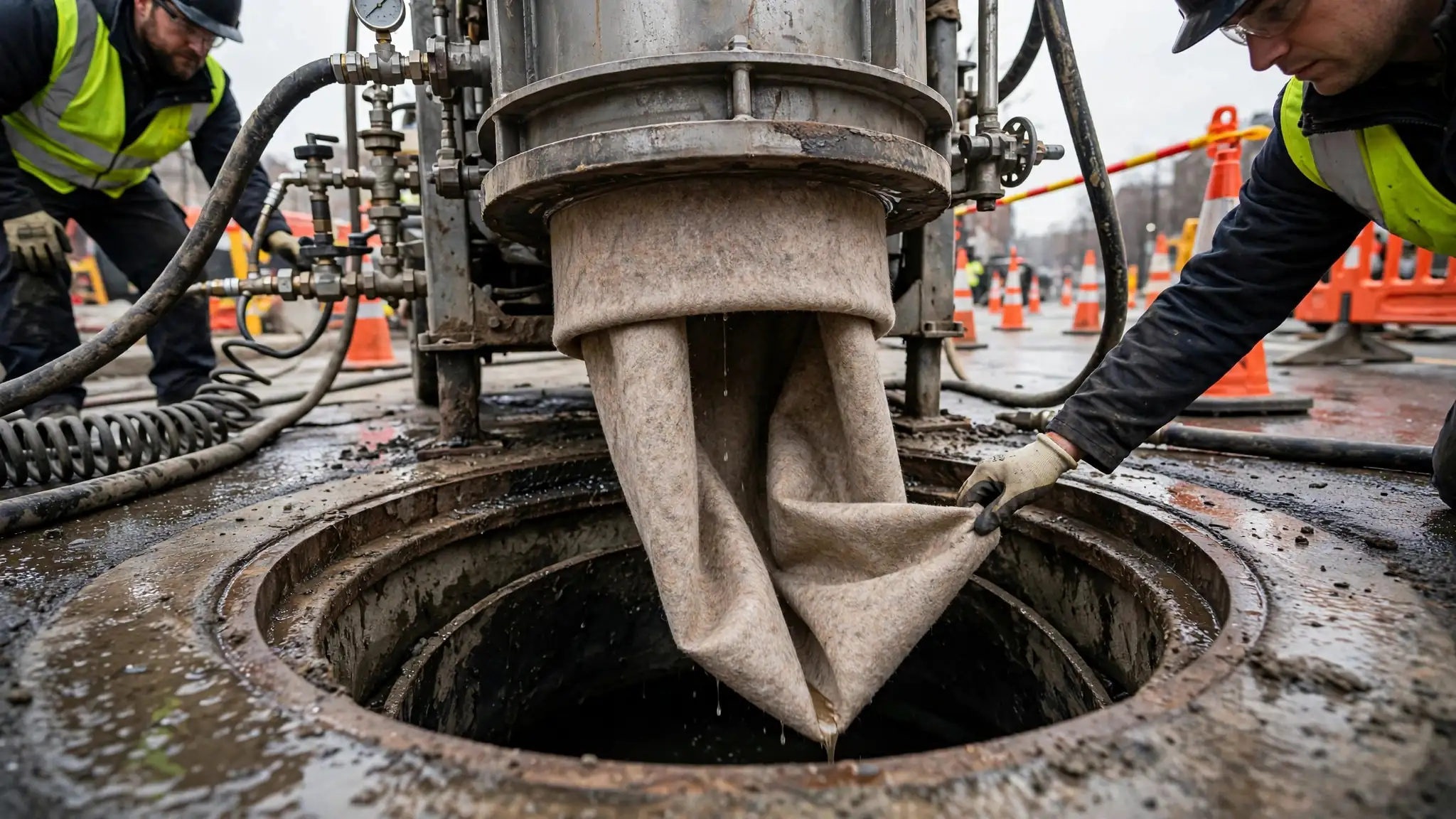
- Insertion: the liner is inverted (turned inside-out) or pulled into the host pipe through existing access points — cleanouts, manholes, or small excavations.
- Curing: hot water, steam, or UV light cures the resin — hardening the liner into a rigid, structural new pipe. Curing takes hours, not days.
- Reinstatement: branch connections are robotically reopened from inside; the line is camera-verified and flow-tested.
The result: a seamless, jointless, corrosion-resistant new pipe within the old — with only a slight diameter reduction (typically 5-10%, negligible for flow).
When Epoxy Lining Makes Sense
- Cracked or fractured pipe — structural cracks that the liner bridges and seals.
- Root intrusion — the jointless liner eliminates the joints roots exploit (after thorough root removal).
- Corrosion and scale — deteriorated interiors renewed with a smooth, corrosion-proof surface.
- Under-slab or under-structure pipes — where excavation is prohibitively disruptive or expensive.
- Landscaped or hardscaped areas — where trenching destroys valuable surfaces.
- Adequate host shape — the pipe retains enough structural integrity to host the liner.
The Access Advantage
Lining's greatest value is where excavation is most painful — under slabs, under buildings, beneath driveways and landscaping. When the pipe runs through accessible open ground, traditional replacement is often competitive; when it runs under structures, lining's trenchless nature is transformative.
When It Does NOT Make Sense: Honest Limitations
- Collapsed pipe — no host structure for the liner; excavation or pipe bursting required.
- Severe offsets or separations — misaligned pipe segments the liner cannot bridge.
- Bellies (sagging sections) — lining follows the sag; the belly (and its standing water) remains.
- Undersized pipe — lining slightly reduces diameter; pipes needing upsizing need replacement.
- Back-pitched sections — grade problems persist; lining does not correct slope.
- Extensive damage — when the majority of the line is failed, full replacement may be more economical.
A reputable lining contractor declines unsuitable candidates — be wary of any provider who recommends lining without camera evidence of candidacy, or who never says no.
Lining Vs Alternatives
| Method | Disruption | Best For | Limitation |
|---|---|---|---|
| Epoxy lining (CIPP) | Minimal — trenchless | Cracked/root-damaged pipe with intact shape | Not for collapse, bellies, or upsizing |
| Pipe bursting | Moderate — entry/exit pits | Collapsed or undersized pipe needing replacement | Requires bursting path; not under all structures |
| Spot repair | Localized excavation | Single isolated failure | Not for systemic deterioration |
| Full excavation | Maximum — open trench | Extensive failure; regrading needed | Most disruptive and slowest |
Lifespan And Performance
- Design life: quality CIPP installations are engineered for decades of service — comparable to new pipe.
- Jointless: no joints means no root intrusion and no infiltration — the two most common failure modes, eliminated.
- Corrosion-proof: the epoxy surface resists the chemical deterioration that destroys host pipes.
- Flow: the smooth interior often improves flow despite slight diameter reduction.
- Warranty: reputable installers warranty materials and workmanship — get it in writing, with terms.
Cost Considerations (Structural, Not Numerical)
- Compare total cost: lining vs. excavation including surface restoration (driveways, landscaping, flooring) — excavation's hidden costs often exceed the pipe work.
- Length matters: lining costs scale with length; short sections may favor spot repair.
- Access affects price: difficult access increases all methods' costs, but excavation's more.
- Get camera-based quotes: every quote should reference the same camera findings; method recommendations should be justified against the footage.
For clog vs. break diagnosis and main line symptoms, see our companion guides.
Liner Materials: What Goes Inside
- Felt liners: the traditional CIPP material — polyester felt saturated with resin; proven over decades.
- Fiberglass liners: stronger, thinner — less diameter reduction; often UV-cured for speed.
- Epoxy resin: the standard — strong, chemical-resistant, long-lived.
- Silicate resin: faster curing; used in specific applications.
The material choice affects thickness, curing method, and performance — a professional specifies the system matched to your pipe's conditions, not a one-size-fits-all product.
Curing Methods Compared
| Method | How It Works | Advantages |
|---|---|---|
| Hot water | Heated water circulated through the liner | Even curing; well-established |
| Steam | Steam introduced into the liner | Faster than hot water |
| UV light | UV train pulled through the liner | Fastest; precise control; fiberglass liners |
| Ambient | Room-temperature cure over time | Simplest; longest cure time |
Quality Indicators: Choosing A Lining Contractor
The Camera Is Non-Negotiable
Any lining contractor who does not start with camera inspection — and show you the footage — is not a professional. The camera determines candidacy; without it, the recommendation is a guess. Walk away from guesswork.
- Camera-first process: inspection, candidacy assessment, and footage shared with you.
- Material specifications: the liner system named (not just 'epoxy lining') with technical data.
- Written warranty: materials and workmanship, with terms and duration specified.
- References: prior lining installations you can verify.
- Honest limitations: a contractor who explains when lining does NOT make sense is more trustworthy than one who recommends it universally.
After Lining: What To Expect
- Cure verification: camera inspection confirming the liner's integrity and branch reinstatements.
- Flow testing: verifying drainage performance through the lined section.
- Usage resumption: typically within 24 hours of curing completion.
- Maintenance: the jointless liner needs less maintenance than the host pipe did — but grease discipline and proper flushing still apply.
For diagnosing the problem and main line symptoms, see our companion guides.
Lining Vs Pipe Bursting: Choosing
| Factor | Epoxy Lining | Pipe Bursting |
|---|---|---|
| Pipe condition needed | Intact shape | Can handle collapse |
| Diameter change | Slight reduction | Same or larger |
| Disruption | Minimal | Entry/exit pits |
| Best for | Cracked/root-damaged with shape | Collapsed/undersized needing replacement |
Permits And Regulations
- Municipal permits: most jurisdictions require permits for sewer lateral work — your contractor typically handles this.
- Inspection: post-installation camera verification often satisfies inspection requirements.
- Material approvals: ensure the lining system meets local code requirements.
For diagnosing the issue, see our companion guide.
Inspecting Lining Work Quality
- Pre-installation camera: you should see the footage and the candidacy assessment.
- During installation: the process should follow the quoted methodology (liner type, curing method).
- Post-installation camera: verification footage showing the completed liner and reopened branches.
- Documentation: warranty terms, material specifications, and the verification video — your permanent record.
Maintaining A Lined Pipe
- Grease discipline continues: the liner resists corrosion but grease still accumulates.
- Proper flushing: only appropriate materials — the liner is tough, not invincible.
- Periodic inspection: camera checks every 5-10 years verify long-term performance.
- Root management: the jointless liner resists roots, but aggressive roots near the line still warrant monitoring.
For main line symptoms, see our companion guide.
The Key Takeaway
Epoxy lining is a powerful tool with specific applications — transformative for the right pipe, wrong for the wrong one. The camera inspection is what distinguishes them, and any contractor who skips it is selling a product, not a solution. When the pipe qualifies, lining delivers a new jointless pipe without excavation; when it does not, honest assessment points to the right alternative. The technology is excellent — the candidacy decision is everything.
For diagnosing your main line issue, start with our companion guide.
Remember: the best lining candidate is a pipe with good bones and bad skin — structurally sound overall but suffering from cracks, root intrusion, or corrosion that a jointless liner resolves permanently. The worst candidate is a pipe with bad bones — collapsed, bellied, or misaligned beyond what any liner can bridge. The camera shows which you have; the honest contractor tells you what it means.